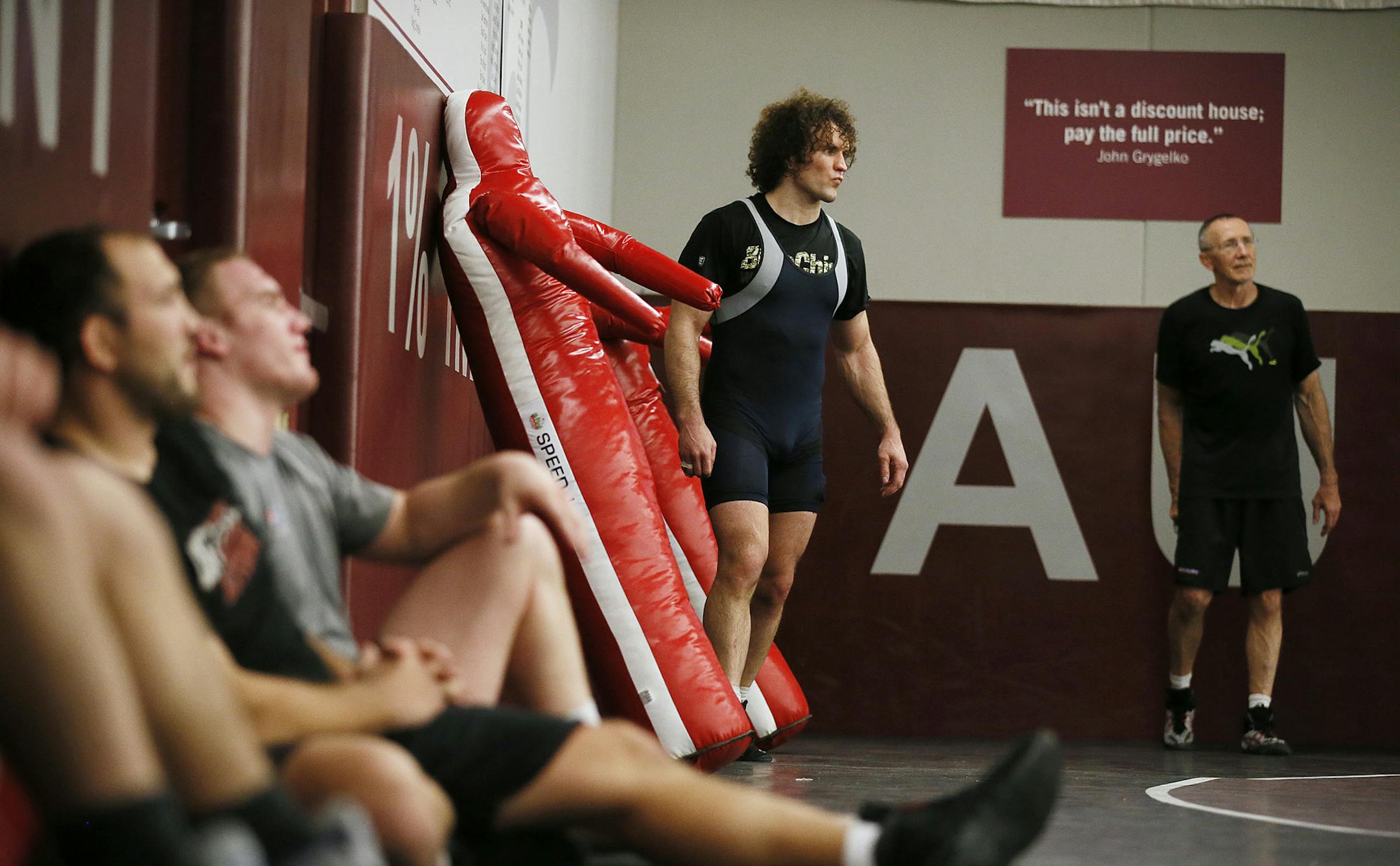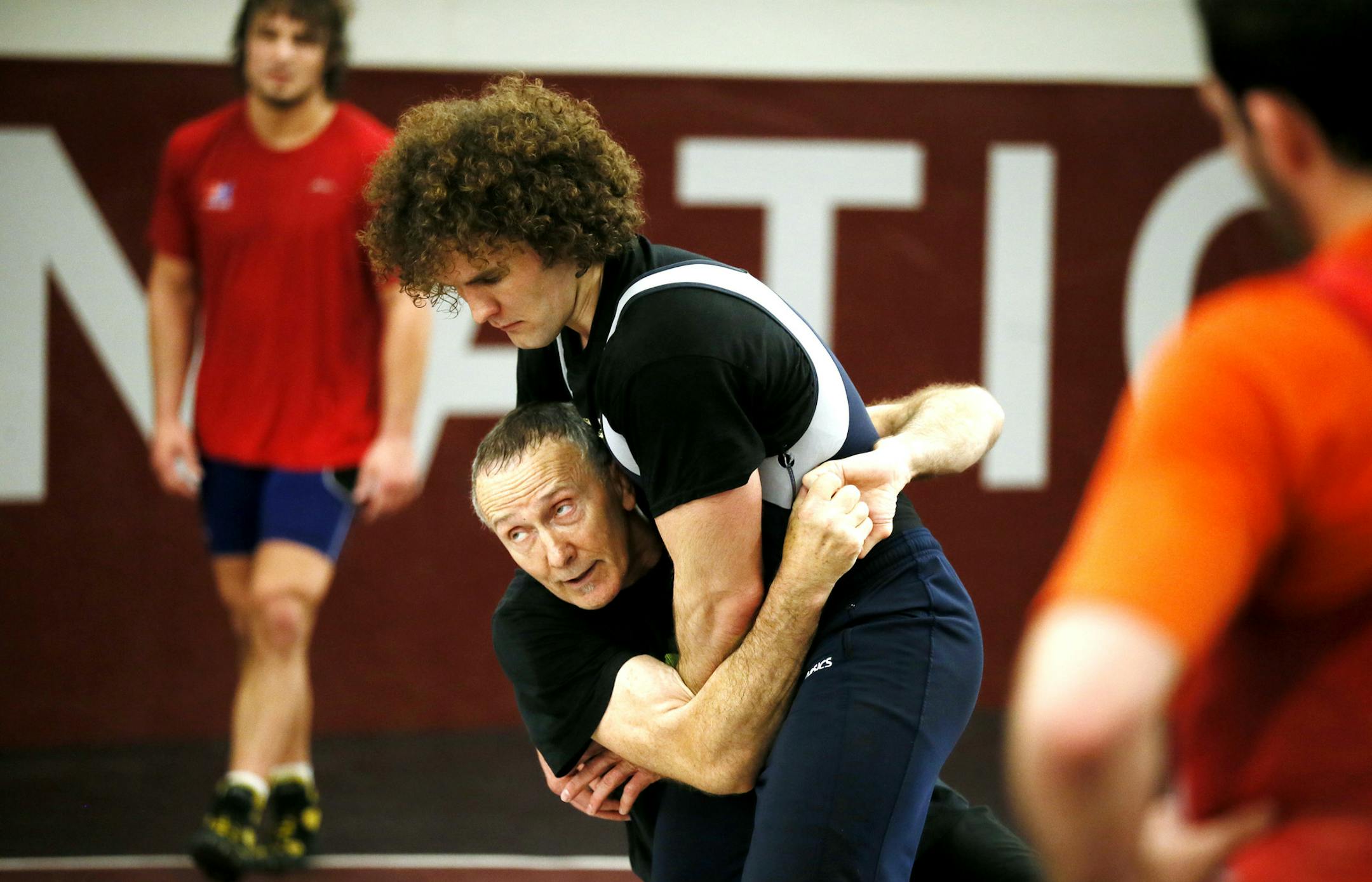
Like nearly everyone else in the global wrestling community, Jordan Holm felt shocked and alarmed by the recommendation to eliminate wrestling from the Olympic Games beginning in 2020. It seemed inconceivable that the sport depicted on ancient Greek urns, one embedded so deeply in the fabric of the Olympics, could be dumped.
But Holm, one of the top Greco-Roman wrestlers in the nation, soon joined a growing number of athletes and officials who believed the International Olympic Committee's decision could open a door rather than close one.
"It was devastating news, but we kind of agreed with the IOC's call to make changes,'' said Holm, of Minneapolis. "We were willing to change, to take a positive step forward. And I think we really answered the call.''
Wednesday, wrestling will try to convince the IOC's executive board that it has changed enough to keep its place at the Olympic table. In the three months since the board made the recommendation, the sport has overhauled its international governance and instituted rule changes to create more action and excitement. It will present its case at a meeting in St. Petersburg, Russia, where the board will decide which of eight sports — wrestling, baseball and softball, squash, karate, sport climbing, roller sports, wakeboarding and wushu — to recommend to the full IOC for inclusion in the 2020 Summer Games.
As many as three sports are expected to make the ballot for the IOC's September meeting. Only one will be chosen, with wrestling and squash the speculative favorites.
Last week, IOC President Jacques Rogge praised wrestling for the changes it has made. Rich Bender, executive director of USA Wrestling, said he is encouraged by signs that the IOC is satisfied with wrestling's progress, but he cautioned that the sport cannot be complacent.
"If you think the cost of preserving Olympic wrestling is expensive, try elimination,'' said Bender, who will be in St. Petersburg for the meeting. "It's an opportunity to make some much-needed change and improve how our sport is governed and presented. If we're successful [in remaining part of the Olympics], it will be the greatest thing that ever happened to our sport.''
A rallying point
The IOC recommendation sparked a tremendous outpouring of support for wrestling around the world. Social media campaigns gained millions of followers, and at least 20 states and the U.S. Senate passed resolutions supporting wrestling's inclusion in the Olympics. Celebrities ranging from actor Ashton Kutcher to Russian President Vladimir Putin have gotten involved. A flood of donations has helped raise the $2 million being spent on the U.S. effort.