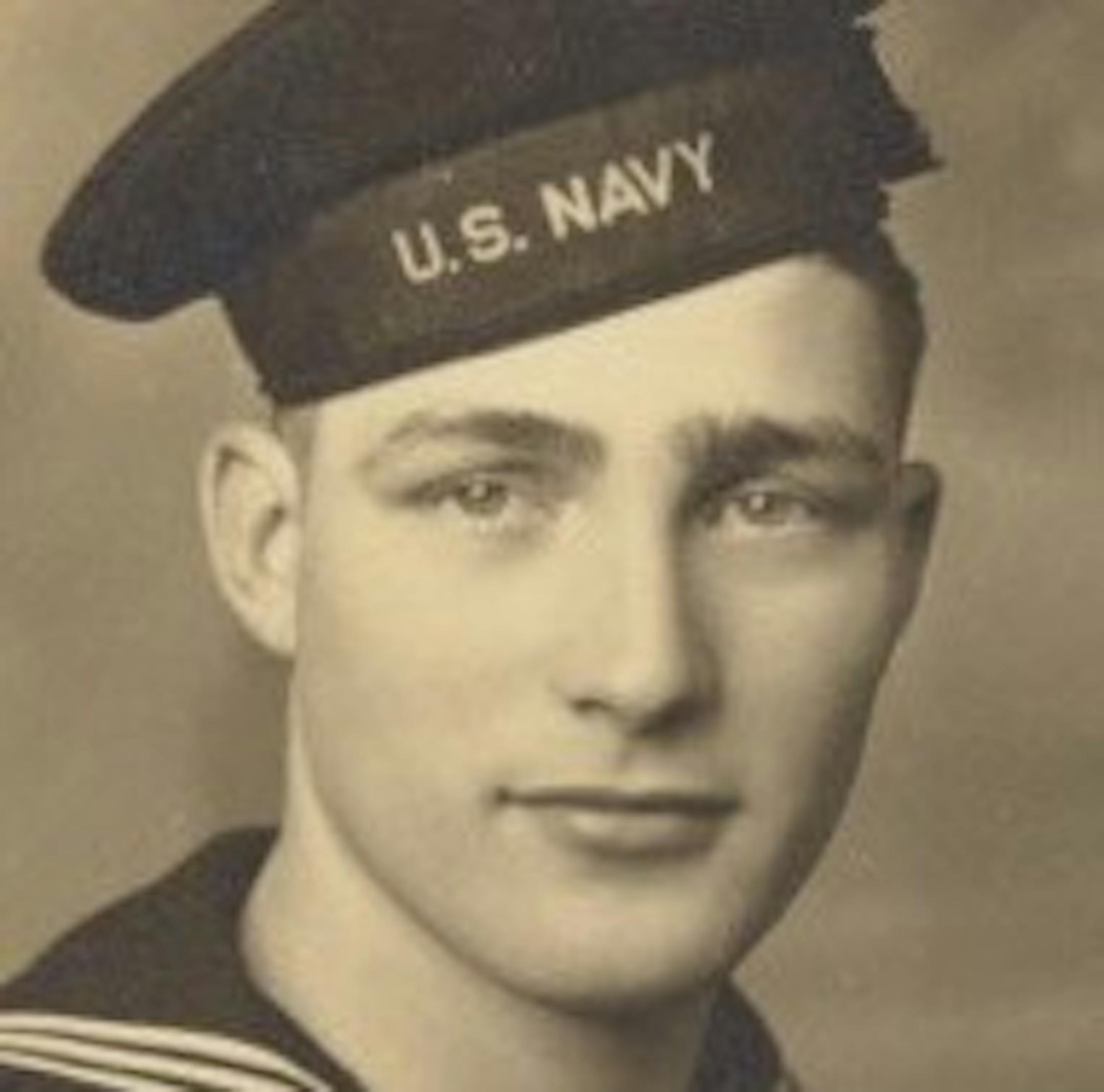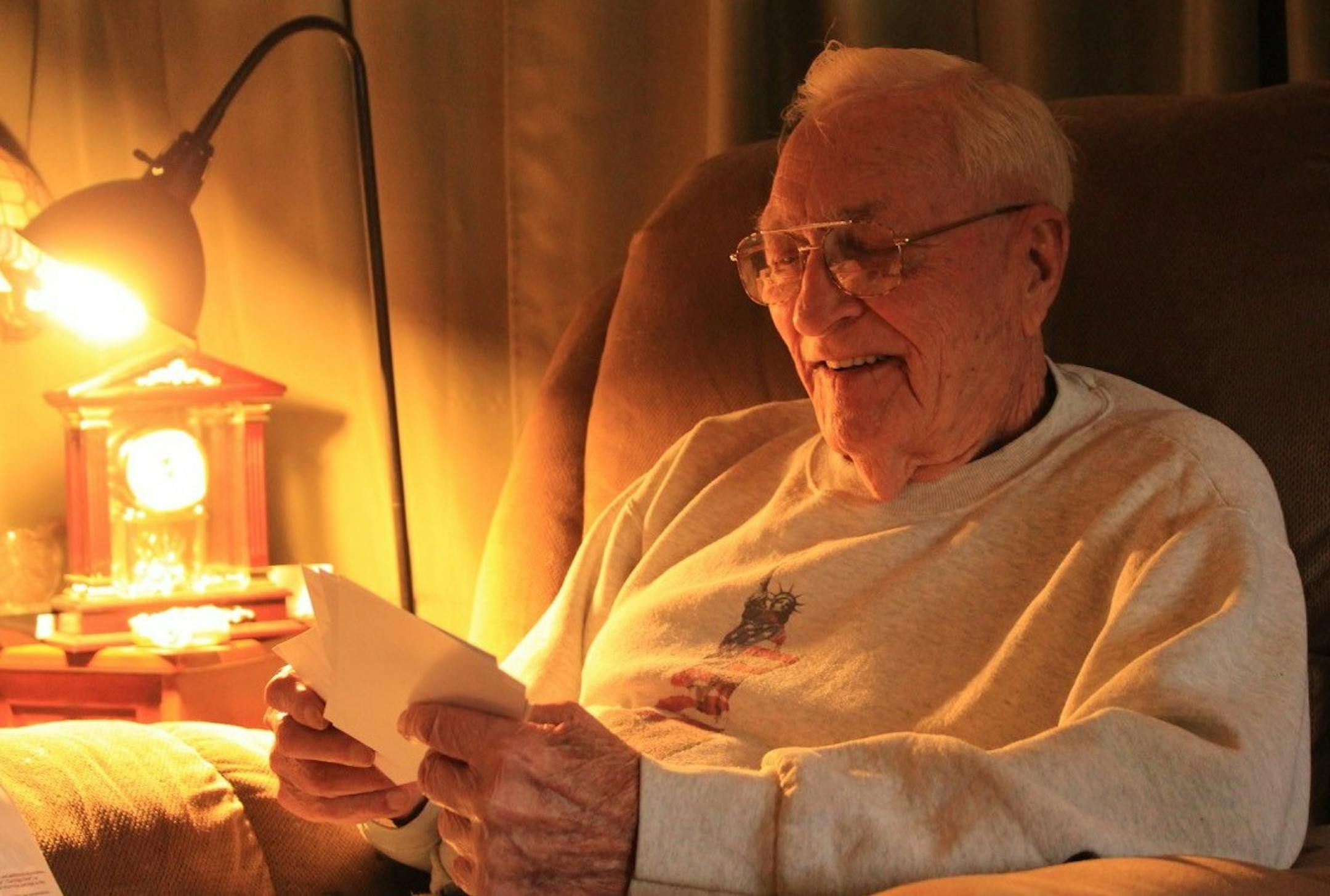
As a gunner's mate on the USS Alabama, Wally Orsund was just one teenager among the battleship's 2,500 crew members. After World War II, he learned that one of his ship's first missions included a personal connection deeper than perhaps any other sailor aboard.
Two years before the Alabama victoriously led the American fleet into Tokyo Bay in 1945, the 45,000-ton ship was anchored off Trondheim, Norway — hoping to lure the German battleship Tirpitz into action. The Nazis had occupied Norway since 1940, and the Tirpitz was an ongoing threat to Allied convoys.
"My Norwegian relatives would say nothing about the war except that it was in the past," said Orsund, 94, who lives in Aitkin, Minn.
On one of his five trips back to Norway after the war, an aunt who never emigrated introduced him to her English-speaking neighbor, who had retired in Norway after 20 years at a Minneapolis electric company.
"He told me the Nazis starved my grandmother to death because she was too old to work," Orsund said in a telephone interview.
Orsund gunned down a German reconnaissance plane from 5 miles away, but the Allies were unable to destroy the Tirpitz until the final six months of the war. British bombers sank it. By then, it was too late to save Orsund's grandmother.
By late 1943, the Alabama received orders from Admiral William Halsey Jr. to sail to the South Pacific, where Orsund and the crew bombarded the islands and fought off kamikaze suicide air attacks.
From his gunner's perch, he watched the destruction unleashed on docks, buildings and tanks. His left ear was among the casualties. He has 60 percent hearing in the right ear, but the left one is shot.