

From Europe to China to the Middle East, perceptions of the U.S. presidential contest have lagged behind indications that the two men are in a virtual dead heat. President Obama remains widely popular abroad, and there are signs that many leaders are unprepared for a Romney presidency.
In Western Europe, few people can imagine Mitt Romney in office. In China, officials have been focused on the intrigues of their impending leadership transition, though many worry that both American candidates have been beating up on their country instead of pummeling each other. And in the Middle East, political chaos has kept many activists and officials from contemplating the election much at all.
In Europe, leaders have good reason to avoid the issue: From the Scottish Highlands to the heel of Italy, it's Obama country. One survey last month from the German Marshall Fund found Europeans breaking 75 percent for Obama and 8 percent for Romney. Even conservative leaders have maneuvered themselves to appear closer to the U.S. president, reasoning that they can get their own electoral bump from doing so, although popular enthusiasm for Obama has diminished after a frenzy in 2008.
Concerns over euro crisis
Three years into an economic crisis in the euro zone that has threatened to spill into the United States, many European leaders have built alliances with the Obama administration that they worry would reset to zero under Romney, analysts say. The Republican challenger has pointed to Europeans as symbols of the Socialist big-government state that he says Obama wants to build.
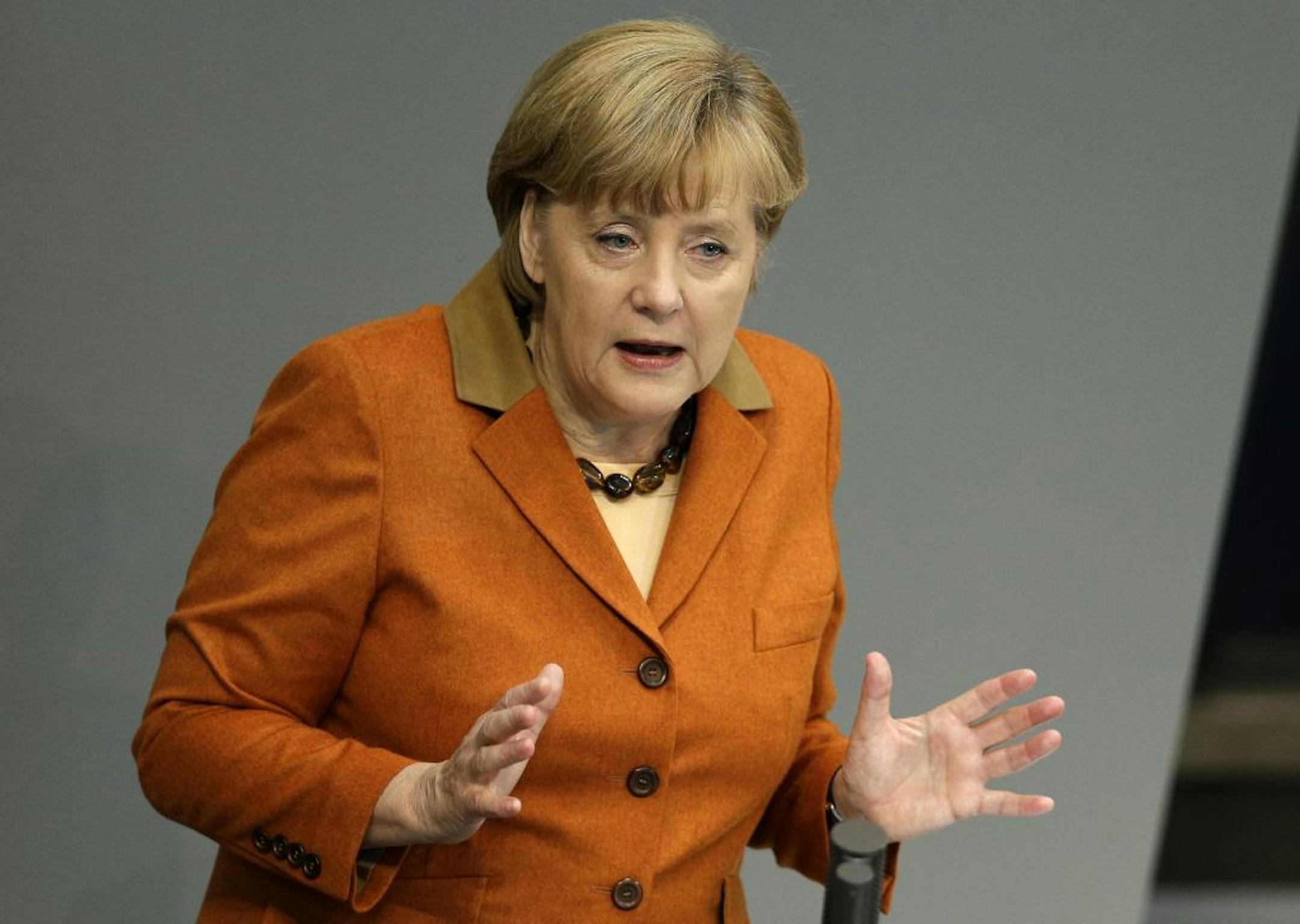
In Germany, the bulwark of austerity in Europe, Chancellor Angela Merkel would probably prefer an Obama victory, analysts say, although Ronald Reagan was a hero of her youth. Her center-right Christian Democratic Union has historically aligned with Republicans, but Merkel has focused on a vision of fiscal sustainability that includes high taxes along with lower government spending.
"There is so much unfinished business" between the United States and the rest of the world, said Stefan Kornelius, the foreign editor of the German daily Sueddeutsche Zeitung. Merkel "is afraid the Republicans would have to go through the same process of understanding the euro crisis again."
Split over social issues


