

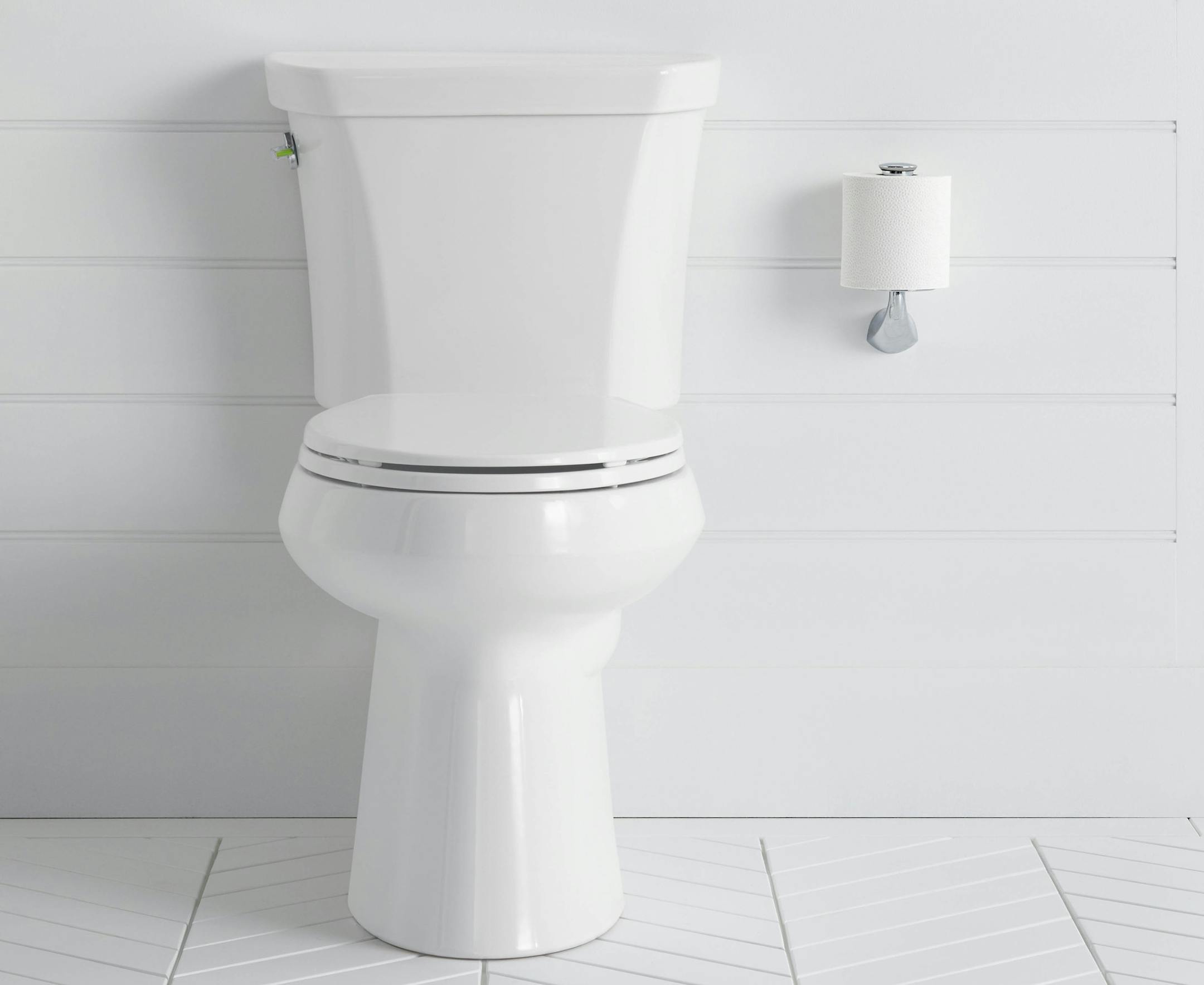
In addition to eradicating polio in India and starting the personal computer revolution, the Seattle Superman of our age has managed to make going to the bathroom a cause celebre.
Five years ago, if I'd told people I worked on toilets, they would have surely assumed I was a plumber. Now, they exclaim: "Oh! Isn't Bill Gates into that?"
More than one-third of the world's population, approximately 2.5 billion people, doesn't have access to a toilet. The Gates Foundation and a handful of celebrities like Matt Damon deserve credit for putting this sanitation crisis on the map.
The trouble is that the Gates Foundation has treated the quest to find the proper solution as it would a cutting-edge project at Microsoft: lots of bells and whistles, sky-high budgets and engineers in elite institutions experimenting with the newest technologies, thousands of miles away from their clients.
Just consider some of the parameters of the Gates Foundation's first Reinvent the Toilet Challenge: Create a "practical" toilet that is suitable for a single-family residence in the developing world. Make sure it takes in the bodily waste of an entire family and outputs drinkable water and condiments, like salt. And while you're at it, make sure that the toilet is microprocessor-supervised and converts feces into energy. And all this has to cost just pennies per person per day. That's some toilet.
The winner of last year's contest invented a solar-powered toilet that converts poop into energy for cooking. Impressive — but each one costs $1,000.
Other models boasted membrane systems, treatment of fecal sludge using supercritical water oxidation (heating water to 705 degrees, or 374 degrees Celsius, then injecting oxygen) and hydrothermal carbonization (oxidizing feces at a high temperature and high pressure while under water).
High-tech toilets are exciting, but even the Gates Foundation has admitted that "the economics of such a solution remain uncertain." In plain English: No one can afford them.


