

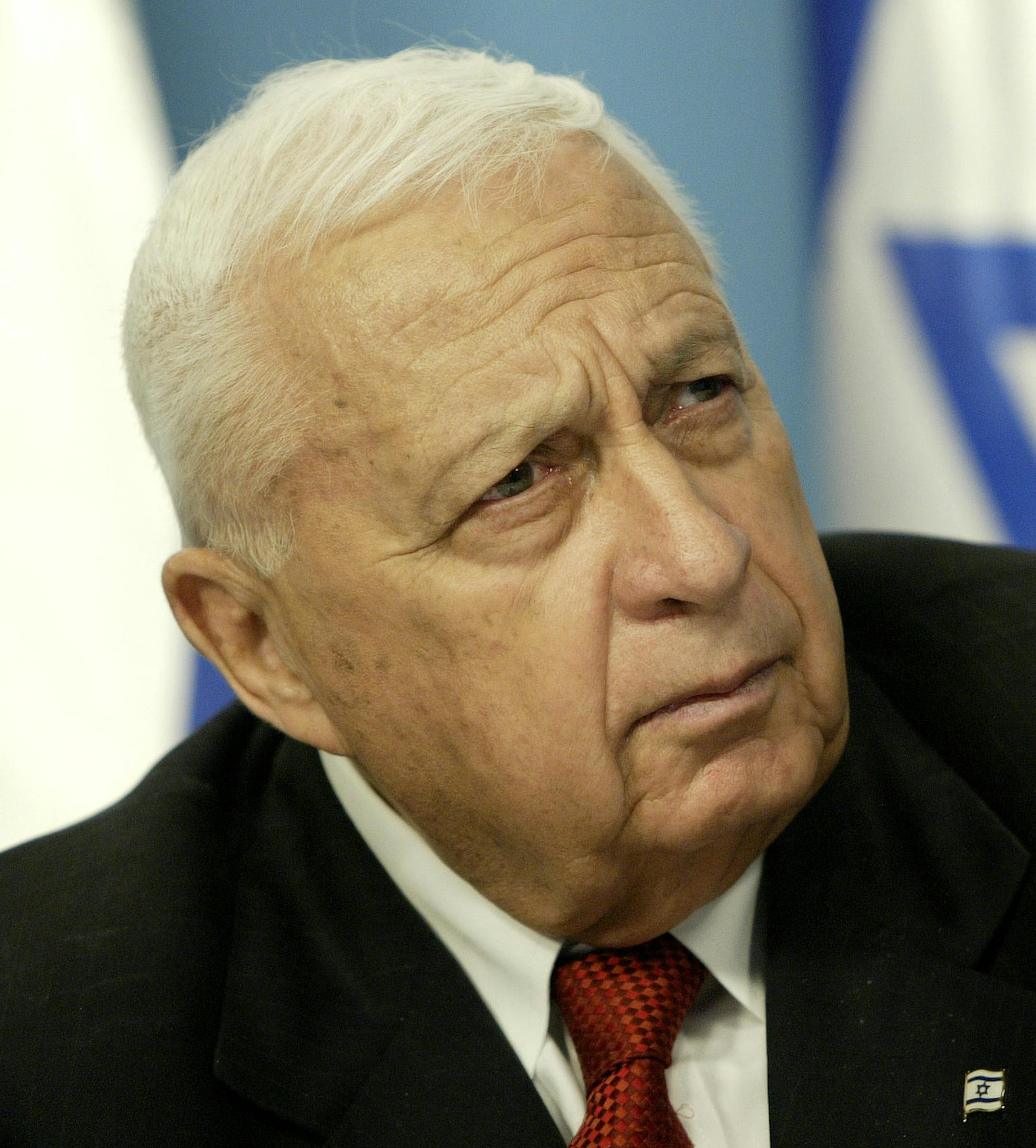
By RINA CASTELNUOVO and JODI RUDOREN • New York Times
SDEROT, Israel – When the Mark family heard the news about the death of Ariel Sharon on the radio Saturday afternoon, they immediately turned their car around and headed to his sprawling sheep farm here in the Negev desert, where he is expected to be buried on a hill next to his wife, Lily.
"I want our kids to remember this moment," said Sharon Mark, 35, a mother of two from the southern Israeli city of Ashdod, "when the last of the giants and fighters died."
Mark was one of dozens of Israelis who flocked to the ranch in the hours after the former prime minister died at 85, as the nation — and the world — grappled with the mixed legacy of one of Israel's most influential leaders. It was a mourning long in the making: Sharon had been in a state of minimal consciousness since a stroke felled him eight years ago, and on Jan. 1 his organs began to fail.
On Saturday, statements poured in from Israeli politicians, foreign diplomats, American Jewish leaders, Palestinian opponents and critical human rights groups. The admirers, almost as a mantra, described him as a "brave soldier and military commander"; detractors accused him of long-ago war crimes. Many noted that his life and career had paralleled and been enmeshed with the development of his country, for better or worse.
Dov Weissglas, his former lawyer and close adviser, said, "Today is the end of an era, the era of the first, the era of the giants, the era of the generation of leaders who fought in the war of independence."
Tzipi Livni, Israel's justice minister and a Sharon protégé, described him as "a farmer, a fighter and a prime minister who became a father of a nation."
While Israeli politicians of all stripes found something to praise Sharon for, Palestinians and others were blunt in their criticism. Hamas, the militant Islamic faction that leads the Gaza Strip, called the death "a sign of God's punishment and a lesson to all tyrants." Mustafa Barghouti, a member of the Palestine Liberation Organization's central council, told the BBC that Sharon had left "no good memories with Palestinians."


