
Working to make sure businesses aren't derailed

University Avenue store owners worried that the Central Corridor will hurt their businesses have a well-funded ally in their corner.

October 22, 2009 at 3:37AM
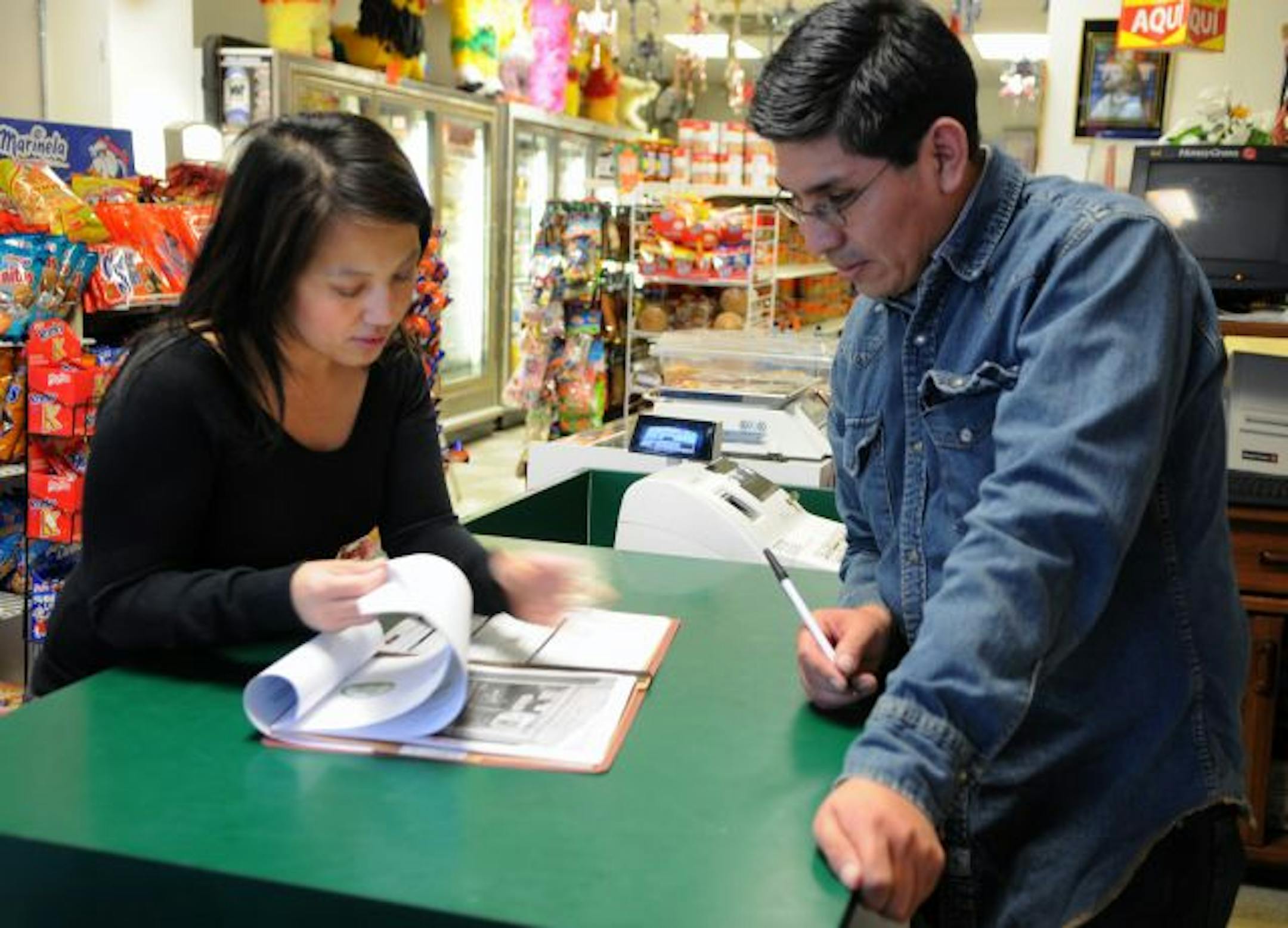
Sia Lo, a small-business consultant, talked with Lucio Jara, owner of Mi Linda Tierra grocery store, about what he can do to counter any detrimental effects of the Central Corridor light rail. She was showing him templates for his website.
Sia Lo, a small-business consultant, talked with Lucio Jara, owner of Mi Linda Tierra grocery store, about what he can do to counter any detrimental effects of the Central Corridor light rail. She was showing him templates for his website. (Star Tribune/The Minnesota Star Tribune)

Sia Lo walked into a grocery store on University Avenue in St. Paul carrying the latest tools for surviving light-rail construction -- printouts of the business's new website and other marketing tips.

Lo is helping small businesses prepare for the arrival of bulldozers along the Minneapolis-St. Paul light rail line. Her work is financed by an unusual collaboration of state and national foundations, launched today, which plans to pump $20 million into damage control for vulnerable communities along the line.

If it works, it could be a national model for "responsible redevelopment."

"I want businesses to be thinking: 'If the light rail is going to happen, what can I do to increase my chances of surviving and thriving?,'" explained Lo, a consultant employed by the Neighborhood Development Center, an area nonprofit that received an early grant from the collaborative.

Lo's job is to help small businesses expand their customer bases and make contingency plans.

Although light-rail trains aren't expected to zip between the two downtowns for five years, the so-called Central Corridor Funders Collaborative pledges to help preserve and expand affordable housing along the route, support businesses, preserve community culture, and give residents a bigger voice in decisions affecting their community.

A huge task, they admit, but so would be the task of funding programs to help displaced neighbors and businesses after the rail is completed.

"We're trying to anticipate this rather than let it happen," said Carleen Rhodes, president of the St. Paul Foundation, a founder of the collaborative.
Ten foundations have joined the group, including the McKnight Foundation and the Minneapolis Foundation. They've already pledged $5 million toward the $20 million goal of the 10-year project.

Another set of eyes

The foundations bring another set of eyes to the Central Corridor development, which already has been the intense focus of city, state and regional planning.

They will provide financial support to community groups exploring ways to preserve affordable housing, small businesses and other issues, said Jonathan Sage-Martinson, coordinator of the project. A "catalyst fund" will provide seed money to get some of their ideas off the ground.

Other ideas being discussed are:

•A stipend for businesses to help offset their financial losses during construction season.

•Seed money for affordable housing projects.

•Funding for facade improvements of businesses.

•Eco-friendly transportation, such as pedestrian and bike routes.

Lessons from Hiawatha

St. Paul can learn lessons from the Hiawatha light-rail line in Minneapolis, said Lee Sheehy, communities program director at the McKnight Foundation. Development along that line has been spotty, he said, generally centered around certain transit stations. The collaborative is looking at the big picture, and at working with government and community partners on common goals.

"When developments are well planned and well presented, the marketplace will build them," she said.

Skepticism still remains

Roger Williams, a senior fellow at the Annie E. Casey Foundation based in Baltimore, said some of the biggest national foundations are watching to see how the funders' collaborative shapes development along University Avenue.

But the collaborative already faces skepticism from some University Avenue business owners who fear their customers will steer clear of the neighborhood if there's no on-street parking. They also worry about rising property taxes after the rail line is built.

"So far I hear a lot of talk [about helping the community], but I don't see anything being done," said Alex Pham, the owner of Pho Ca Dao restaurant.

For example, everyone knows that parking on University Avenue will be a huge problem, he said. Why not build a parking lot right now? he asked.

"What are they waiting for?" said Pham.

Business owners such as Lucio Jara, owner of Mi Linda Tierra grocery store that Lo visited Wednesday, doesn't have a strong opinion about light-rail either way. However, he does have an opinion about the help he's received for his business. He likes it.

Jara said he appreciated the new website and business logo that Lo built for him. He's now thinking about radio advertising and other ways to market his business to attract more customers.

"I don't know if light rail is going to be good or bad," said Jara. "But I want to be prepared."

For more information, go to www.funderscollaborative.org.

Jean Hopfensperger • 612-673-4511

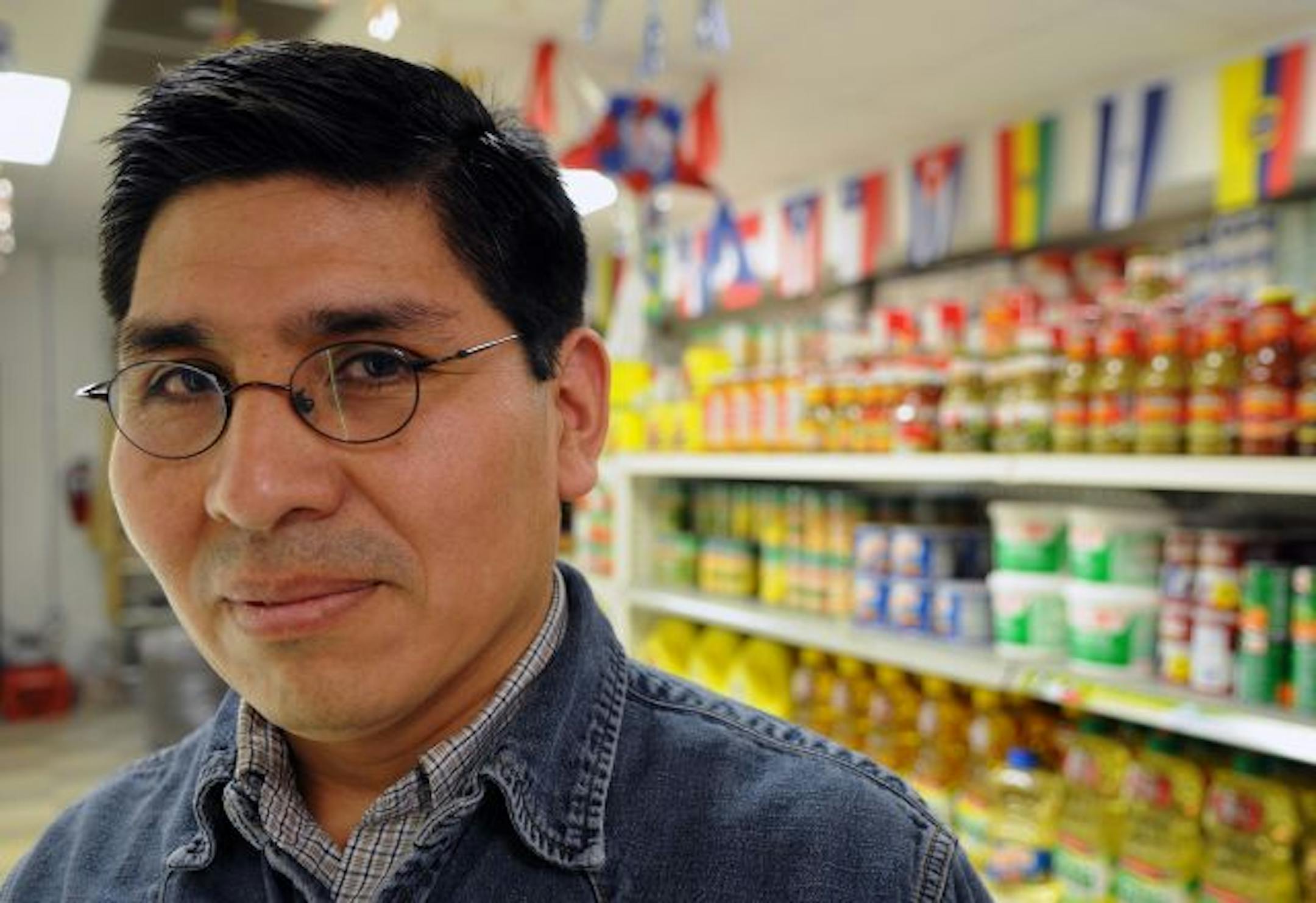
Lucio Jara
Lucio Jara (Star Tribune/The Minnesota Star Tribune)
about the writer

about the writer

Jean Hopfensperger

Reporter

Jean Hopfensperger is the religion, faith and values reporter for the Star Tribune. She focuses largely on religious trends shaping Minnesota and the nation. 

See Moreicon

More from No Section

See More
FILE -- A rent deposit slot at an apartment complex in Tucker, Ga., on July 21, 2020. As an eviction crisis has seemed increasingly likely this summer, everyone in the housing market has made the same plea to Washington: Send money — lots of it — that would keep renters in their homes and landlords afloat. (Melissa Golden/The New York Times) ORG XMIT: XNYT58
Melissa Golden/The New York Times

It’s too soon to tell how much the immigration crackdown is to blame.