

As fires raged across much of Washington and Oregon this summer — and as drought continued to afflict California — another western state suffered from damage of another kind: In late July, the New York Times reported that Sen. John Walsh, D-Mont., had plagiarized most of his master's thesis at the U.S. Army War College.
Walsh had taken close to one-third of his thesis word for word — without attribution — from documents published by the Carnegie Endowment for International Peace and from an essay by a scholar at Harvard — all of which were available online. Another third of his thesis consisted of word-for-word theft marked only by footnotes. (When writers use footnotes after material that does not appear within quotation marks, it means — or should mean — that the language is their own but they owe ideas or information to the source being cited.)
Walsh was a colonel at the time he plagiarized — a colonel who had commanded American soldiers in Iraq. Thanks in part to his fraudulently attained degree, he would go on to be appointed adjunct general of Montana's National Guard — and in February 2014, to be appointed to fill the vacancy in the Senate created when Max Baucus resigned to become ambassador to China. Until news of his plagiarism surfaced, Walsh seemed to have achieved a distinguished record.
Cheats of all kind should take note of this case, quaint though it may seem in an era when parents have reason to worry if their children will be gunned down at school (and generals enjoy the authority to send some of them into combat after the age of 18).
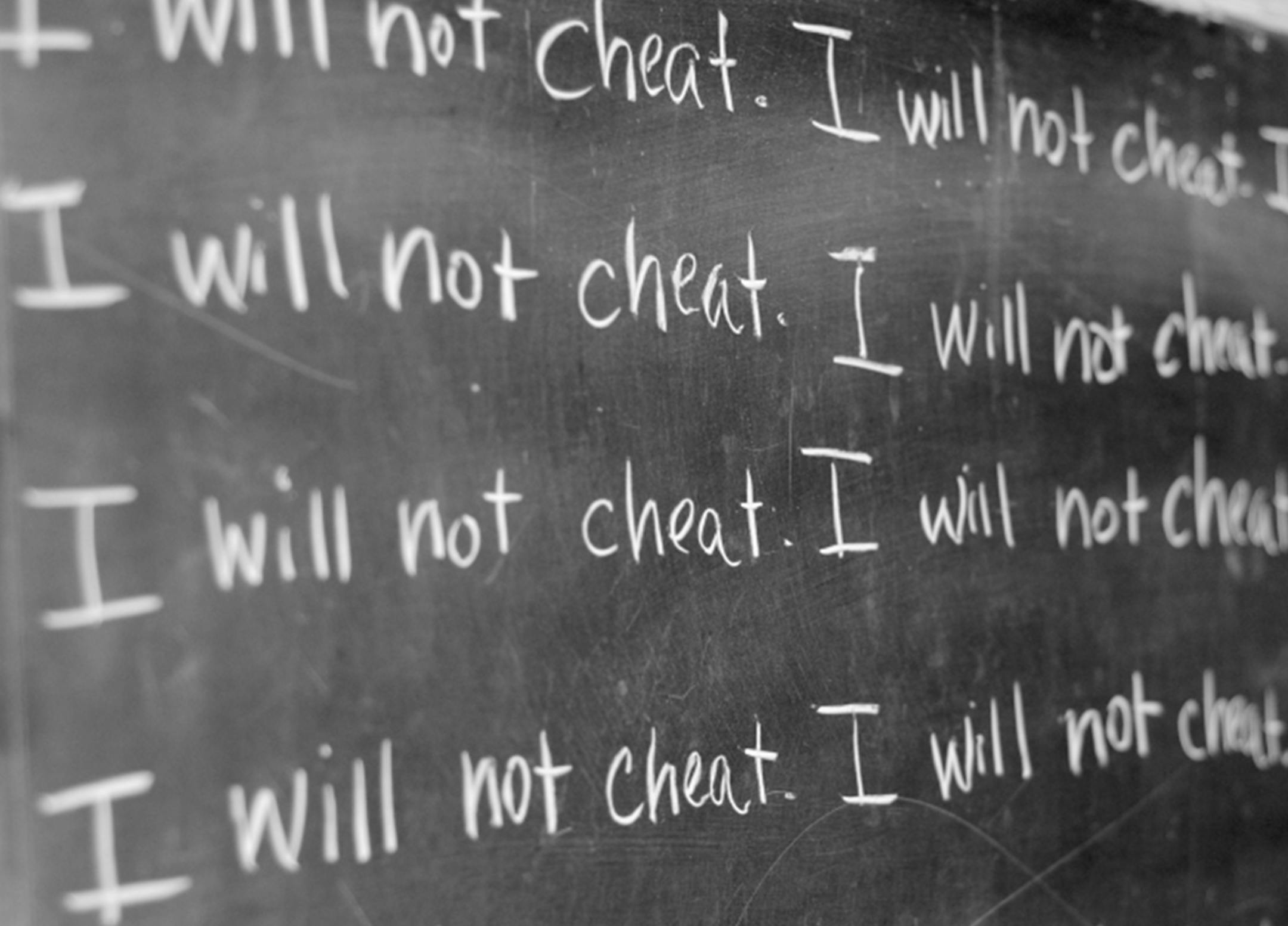
As a new school year begins, students, parents and educators should resolve to work hard and tell the truth — resisting (among other temptations) the appeal of downloading work from the Internet and passing it off as one's own, copying the work of someone else, hiring someone to complete an assignment, or rewriting someone's essay while pretending only "to correct" it.
So here is some quick advice for all concerned.
Students: Do not cheat. There are many temptations to do so, and the possibility of short-term gratification. But the ultimate result is disgrace — as the Walsh case shows.
Parents: Busy though you may be, find the time to examine the projects your children submit for course credit while they are still living under your roof. If an essay includes information not readily known, or if it is phrased with sophistication not characteristic of your child's voice, ask her or him about how this project came to be completed and resist the temptation to complete it yourself.


