

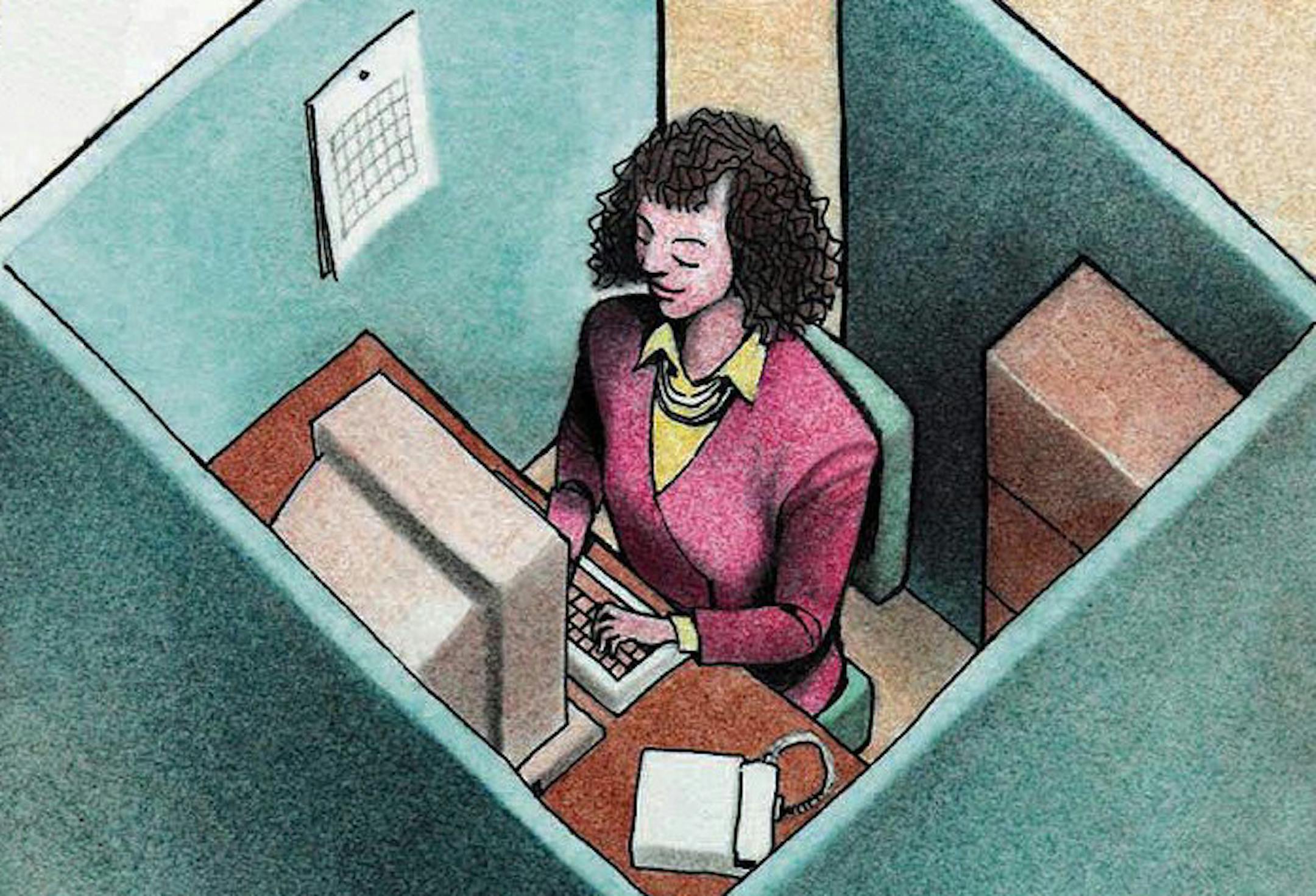
There are many feel-good, fairness-based reasons to hire and invest in women. You're probably familiar with at least a few of them: Women have historically had fewer opportunities in the workplace. They don't get promoted as frequently. They are increasingly the sole or primary breadwinner for their families. Also, women's lib and girl power and something about Half the Sky.
There's an even better reason that is less frequently cited. Women, you see, will make you money.
A new report from the California-based Anita Borg Institute makes the case that profitability, rather than charity or good PR, should convince companies to try harder to cultivate female talent on the payroll and in the C-suite.
Several studies have found, for example, that companies with a greater representation of women on their boards or top management teams tend to perform better. It's not clear what's cause and what's effect here. Research suggests, though, that diversity of any kind — related to gender, race or other demographics — is good for problem-solving and idea generation.
One lab experiment, for example, found little correlation between a team's collective intelligence (measured by performance on group tests such as visual puzzles) and the IQs of the team's individual members. But it did find that having a higher share of women on the team raised collective intelligence.
It's not just in corporate settings that estrogen seems good for business. In an analysis of Hollywood films for FiveThirtyEight.com, Walt Hickey recently argued that "films that feature meaningful interactions between women may in fact have a better return on investment, overall, than films that don't." That may be related to the fact that women represent a major customer base as well as employee pool.
And perhaps the best argument for why hiring women will help your firm's bottom line: They still, amazingly, come at a discount. At least for now.
Tuesday is Equal Pay Day, the symbolic reminder of how far into 2014 women would have to work to catch up to the wages earned by men last year, thanks to the intransigent gender pay gap. Some of the gap is explained by the types of occupations women go into, either by choice or opportunity. But even within occupations, women almost always earn less than their male counterparts. Of all the occupations the Bureau of Labor Statistics published data for last year, only three showed women receiving higher median weekly earnings than their male counterparts: bakers; wholesale and retail buyers; and miscellaneous computer-related occupations. Even controlling for factors such as experience, industry and union status still leaves about 40 percent of the total gender pay gap unexplained.


