If Hillary Clinton were to be elected president, she'd have a lot of sisters on TV.
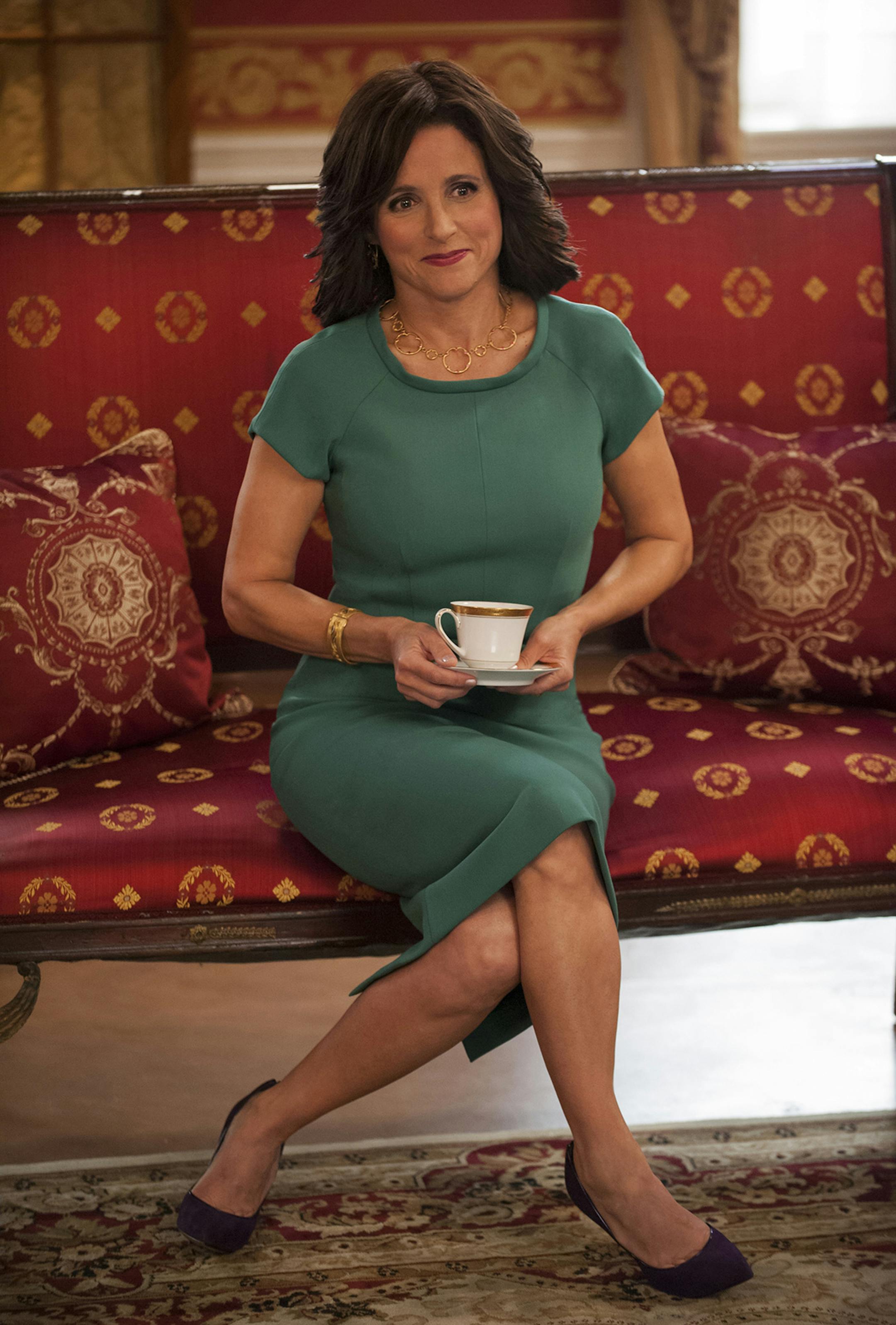
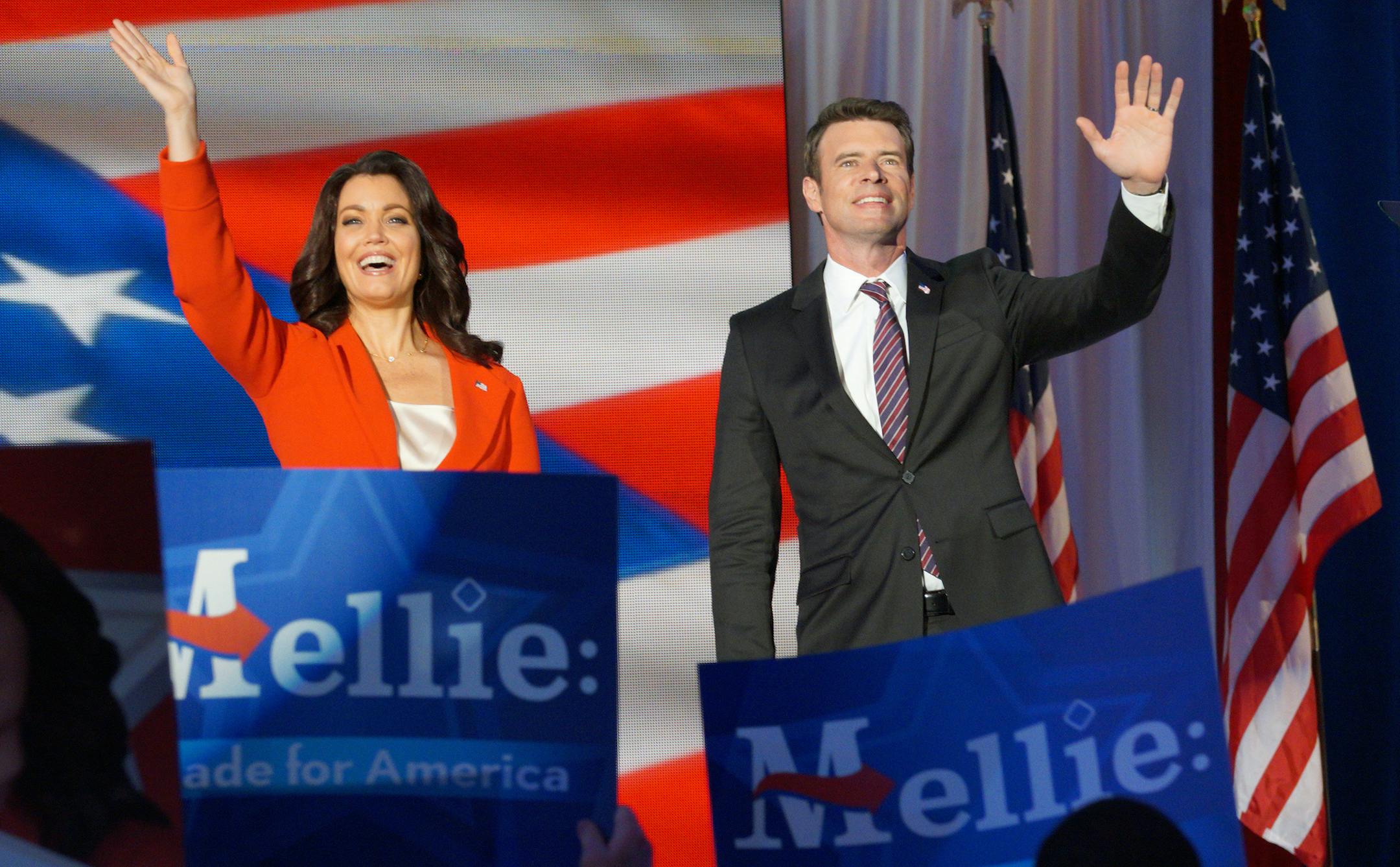
Selina Meyer was the president on "Veep." On "Scandal," Mellie Grant is a nominee for president. On "Madam Secretary," Secretary of State Elizabeth McCord has been offered the vice presidency — and has already temporarily served as president during a crisis. On "House of Cards," Claire Underwood is the running mate of her incumbent president husband, Frank — and it would surprise no one if she later elbowed him out of the way to become chief executive.
It would be easy to say that popular culture is just beginning to pick up on what is happening in the real political world. In fact, pop culture has been ahead of the population when it comes to a woman in the White House, and deciding which party she'd be from.
Serena Elavia, writing in the Atlantic last year, argued that TV's female presidents have not included an "obvious Democrat." They have been either ambiguous (Meyer, McCord) to avoid getting caught up in party-specific politics, or tilted Republican (Allison Taylor on "24," Sally Langston's temporarily holding the office on "Scandal").
One producer told Elavia, "a Republican female president adds an element of unpredictability." The short-lived series "Commander in Chief" even tried to heighten that unpredictability with a president who had run on the Republican ticket but was politically independent.
And where did this all begin? By most accounts, the earliest example of a woman president onscreen was in the science-fiction movie "Project Moonbase" in 1953. Set in 1970, the movie features actress Ernestine Barrier as a character listed only as "Madam President."
In 1964, moviegoers had a chance to see Polly Bergen as newly inaugurated President Leslie McCloud in the comedy "Kisses for My President." Most moviegoers declined. An article for Turner Classic Movies argues that "all the jokes couldn't disguise the fact that a still shellshocked nation was in no mood to laugh about the presidency," since the movie premiered less than a year after the assassination of John F. Kennedy.
But it's also an awful movie, especially when viewed today. It's far more interested in the president's husband, Thad (Fred MacMurray), than the president herself.