

 1:47
1:47ST. CLOUD – The northern Minnesota woman needed a safe place to escape a threatening relationship, but she hesitated to leave for a domestic violence shelter, worried about what would happen to her four-year-old cat.
"I had him since he was three weeks old," she said. "I didn't want to give him to a shelter … He's kind of like my baby … I also wanted to protect him."
She ended up giving the cat away to a relative's neighbor before seeking refuge at Anna Marie's Alliance, a women's shelter in this central Minnesota city. Sitting in a break room there this week, the woman worried about the cat and missed his comforting purrs.
It's a scenario that workers at Anna Marie's have heard so often that they're doing something about it: Raising money to build a pet center on their grounds so that victims of violence don't have to be separated from their animals or give them up.
Anna Marie's is part of an increasing trend in domestic abuse shelters around the country. While many make arrangements for pets to be fostered or kenneled elsewhere, the number of shelters allowing pets there has surged from just four in 2008 to at least 77 now, with 15 more planned, according to Allie Phillips, founder of Sheltering Animals and Families Together.
A refusal to be separated
"There's far too many families that refuse to be separated from their pets," Phillips said. "Especially when you're going through a traumatic situation, your pets can provide you great comfort."
An estimated 68 percent of American households have a pet, according to a survey by the American Pet Products Association. Phillips said various studies show that up to 48 percent of women with pets delay or refuse leaving their abusive home out of fear for their pets or livestock.
Animals are often used as pawns in abuse, shelter workers know.
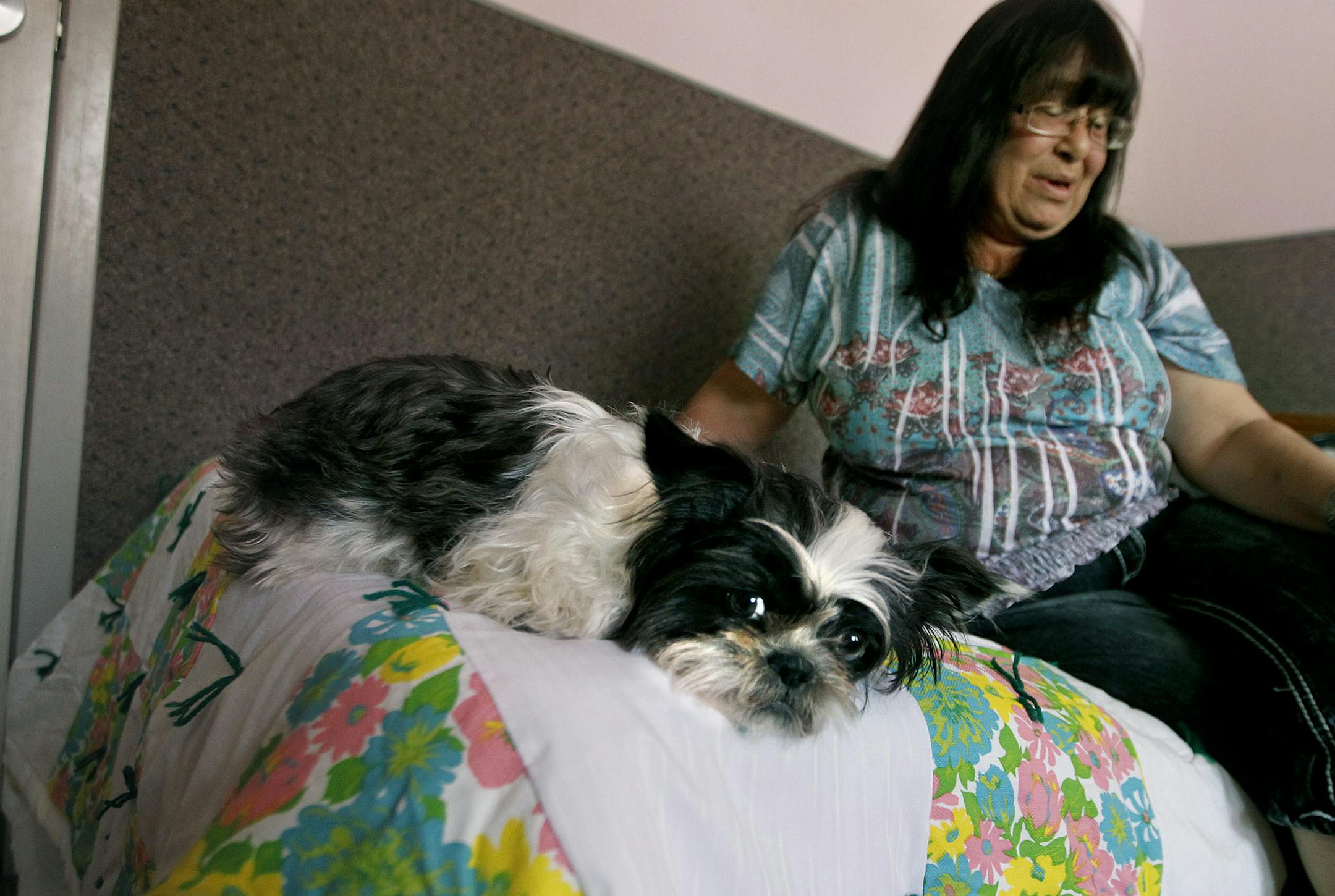
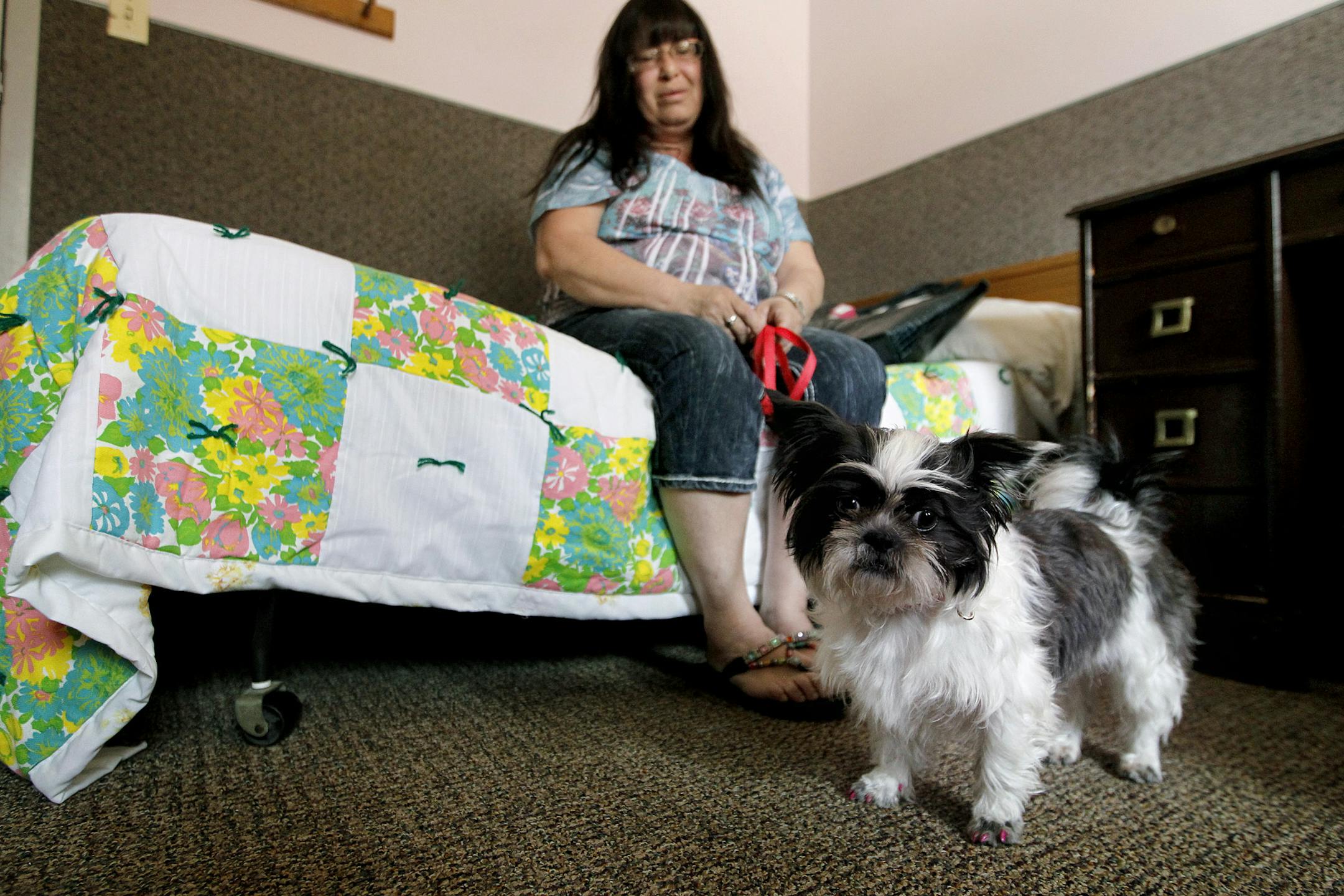
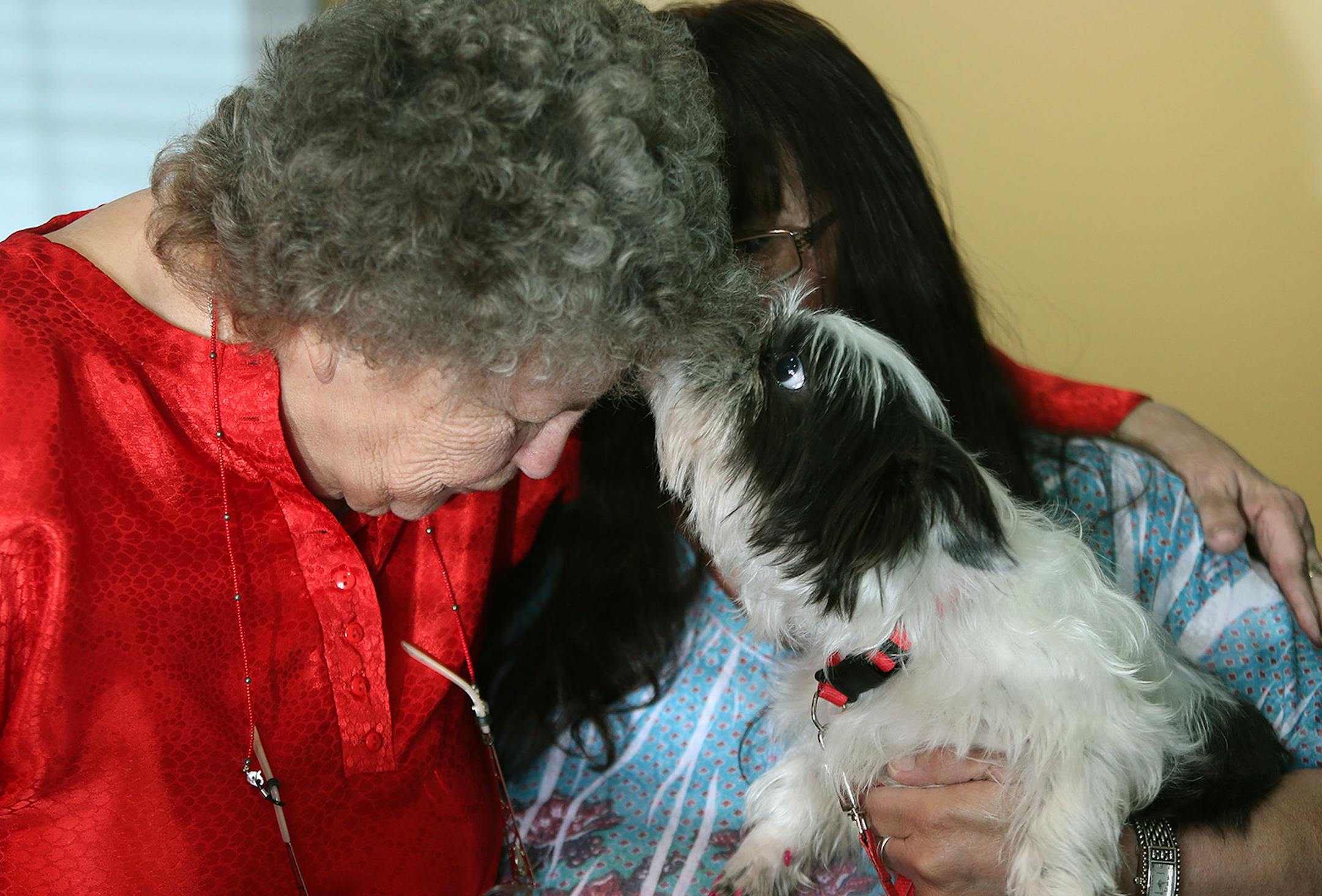
![Louise Seliski, the founder of the Women's Center of Mid-Miinnesota, talked about how pets are a source of comfort for the women going through such a traumatic situation, Monday, April 7, 2014 in Brainerd, MN. ] (ELIZABETH FLORES/STAR TRIBUNE) ELIZABETH FLORES • eflores@startribune.com](https://arc.stimg.co/startribunemedia/BFVRQ7UAT562XVOSI3TC5T7XWM.jpg?&w=1080)


