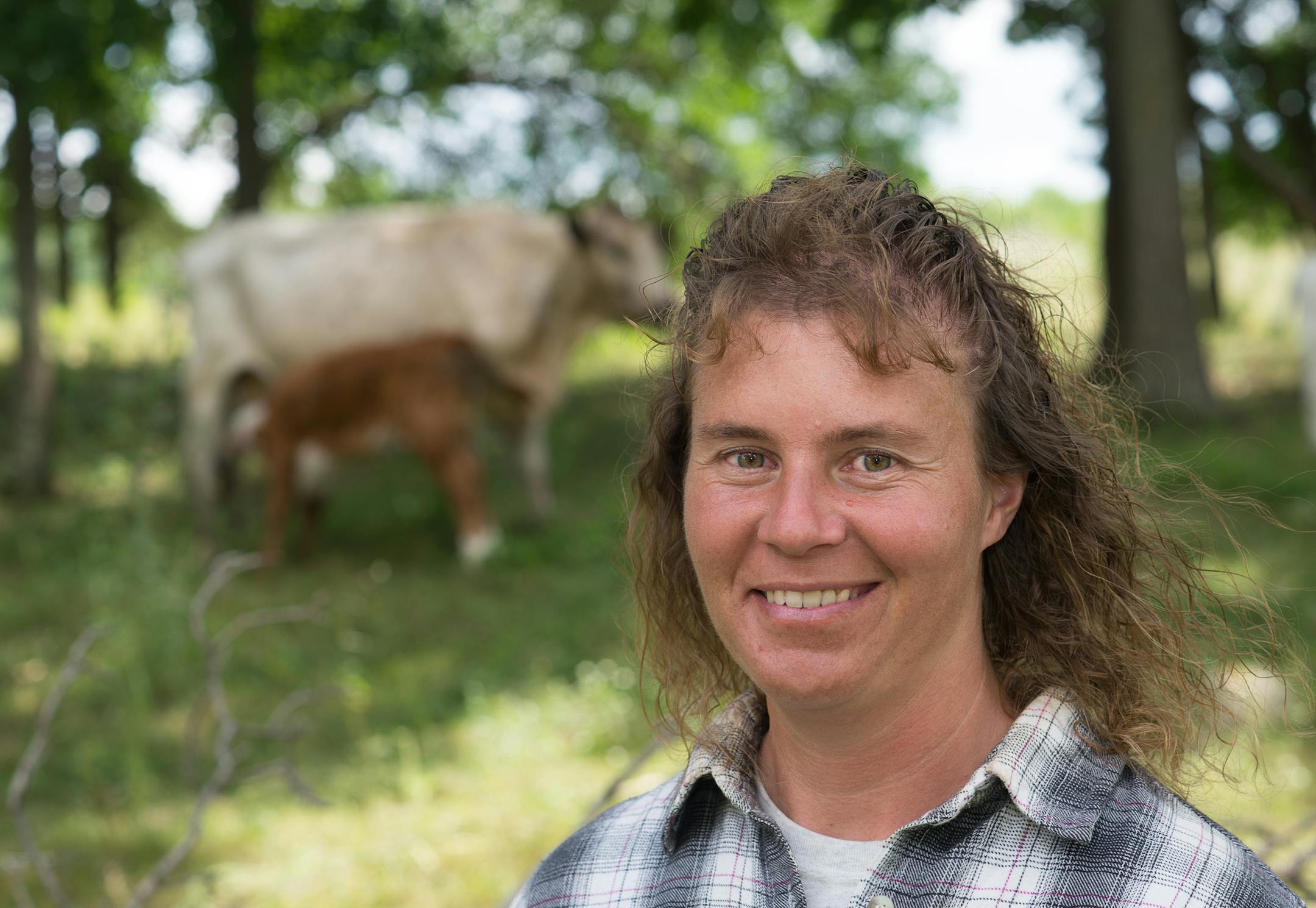
AVON, Minn. – The odds are against Christina Traeger.
And yet …
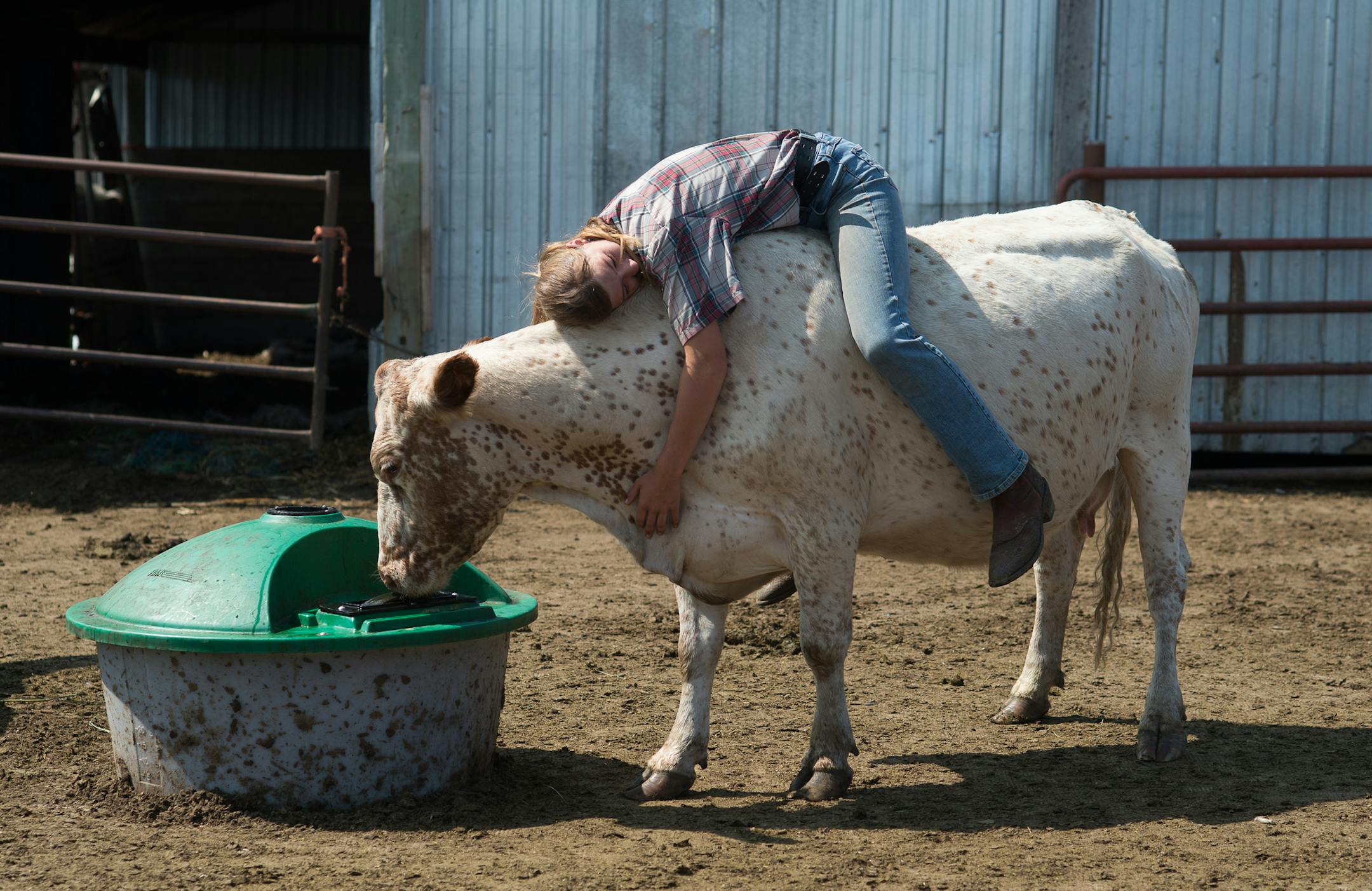
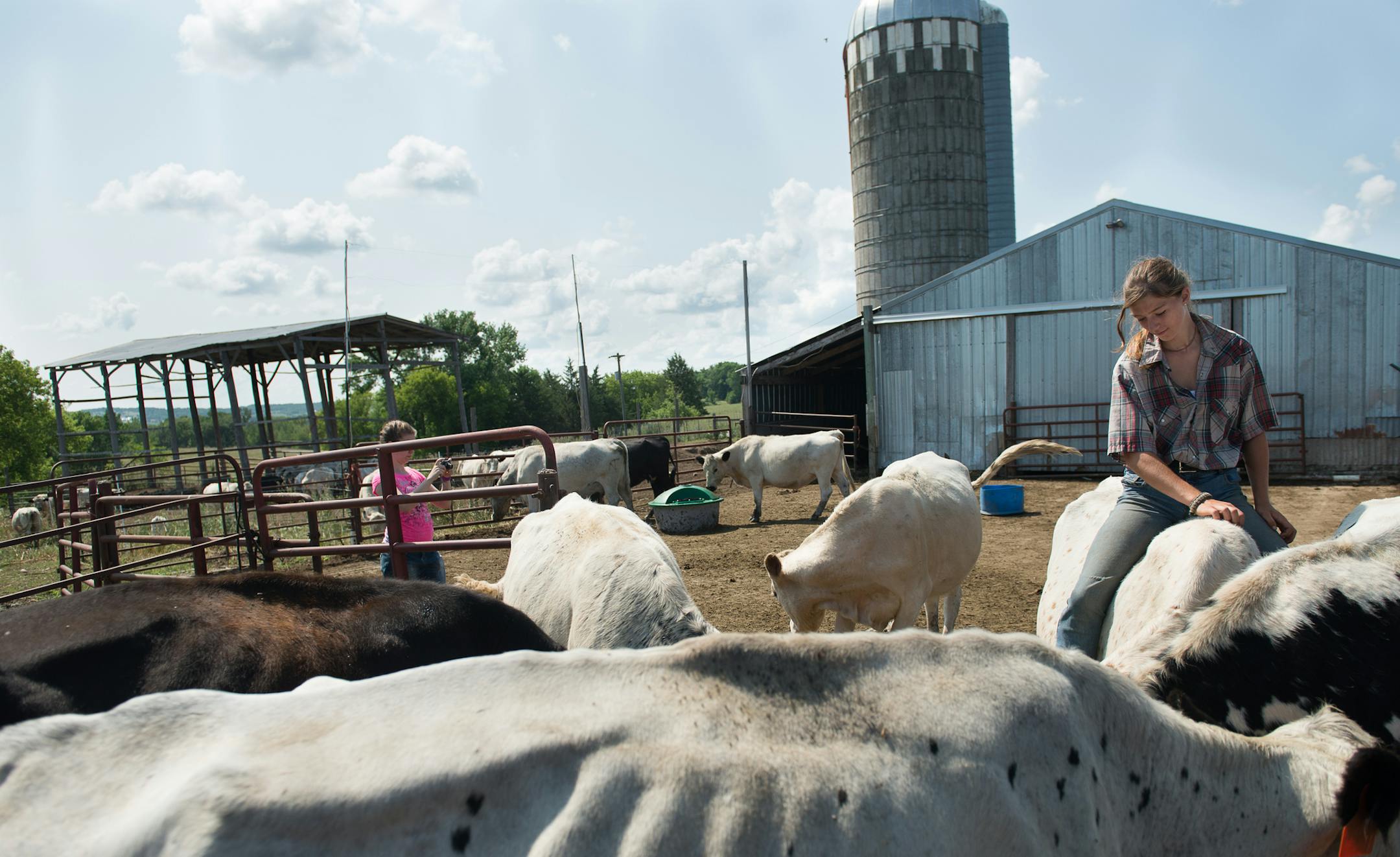
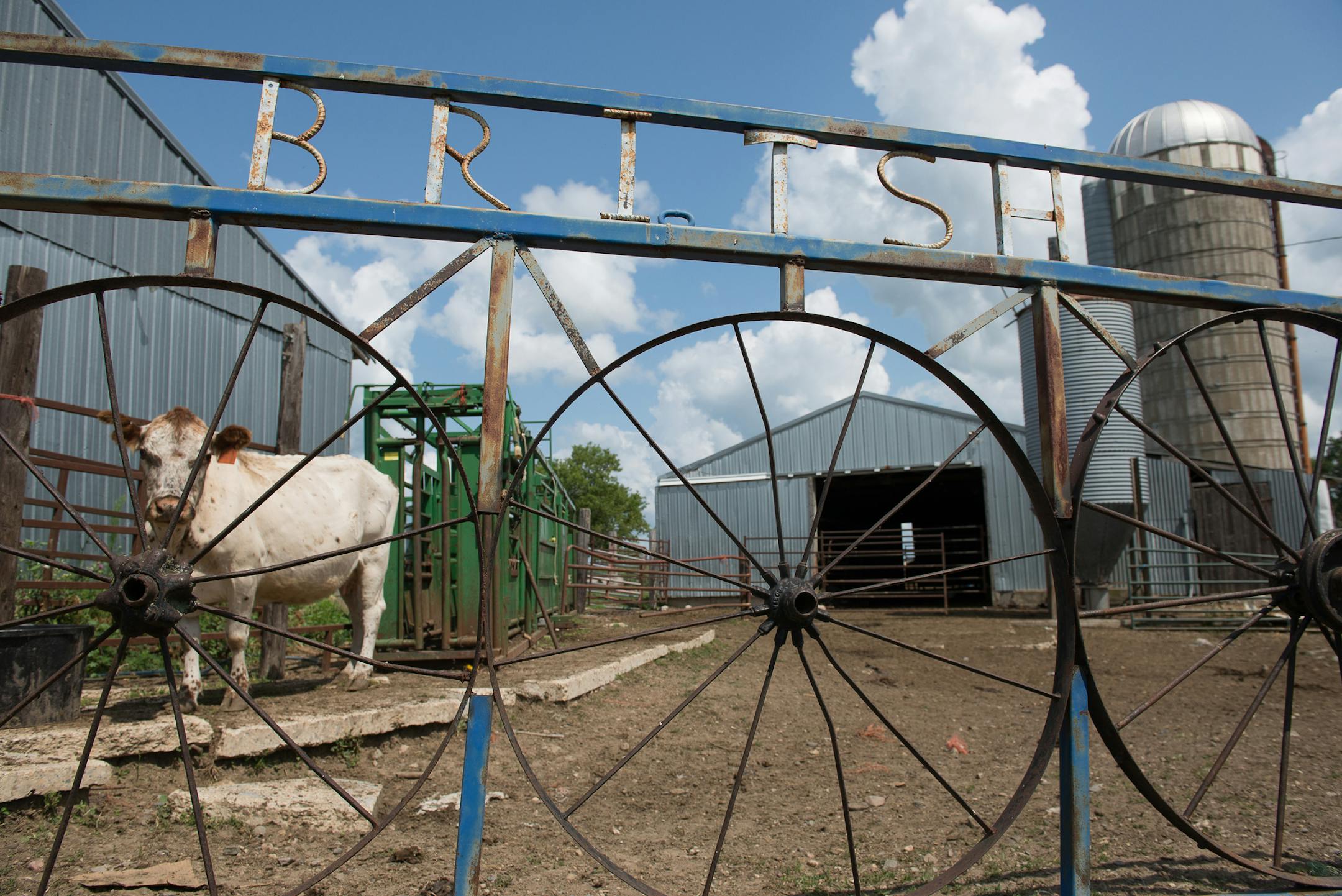
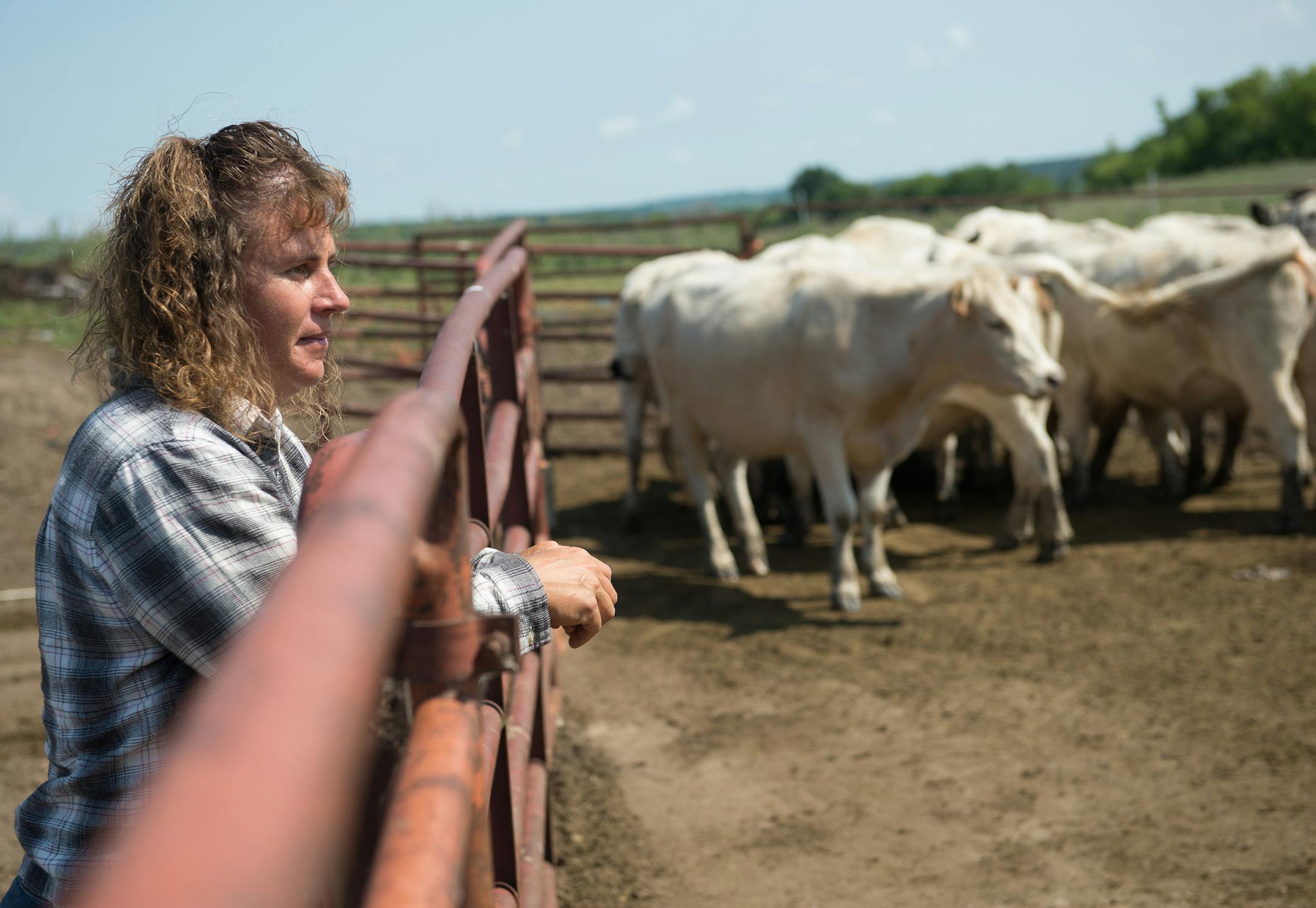
British White cattle browse the grassy slopes of her Rolling Hills Traeger Ranch, like mottled clouds of fog in the draws. The work of herding, calving and feeding is as relentless as when her great-grandfather settled these acres northwest of St. Cloud, although today it's called "sustainable agriculture."
Traeger is among a growing number of producers on a mission to provide people with what's often called "better beef," from cattle raised only on grass, their systems free of antibiotics, hormones or the chemistry that propels bumper crops of corn and soybeans.
She knows that most consumers shop at grocery stores, with little knowledge of whether their steaks came from large feedlots where the corn flows free or from a prairie where the spreading oaks should be in paintings. Instead of a "Bonanza" ranch house with a broad front porch, Traeger lives in an aging trailer, but that's the reality of being a small producer these days.
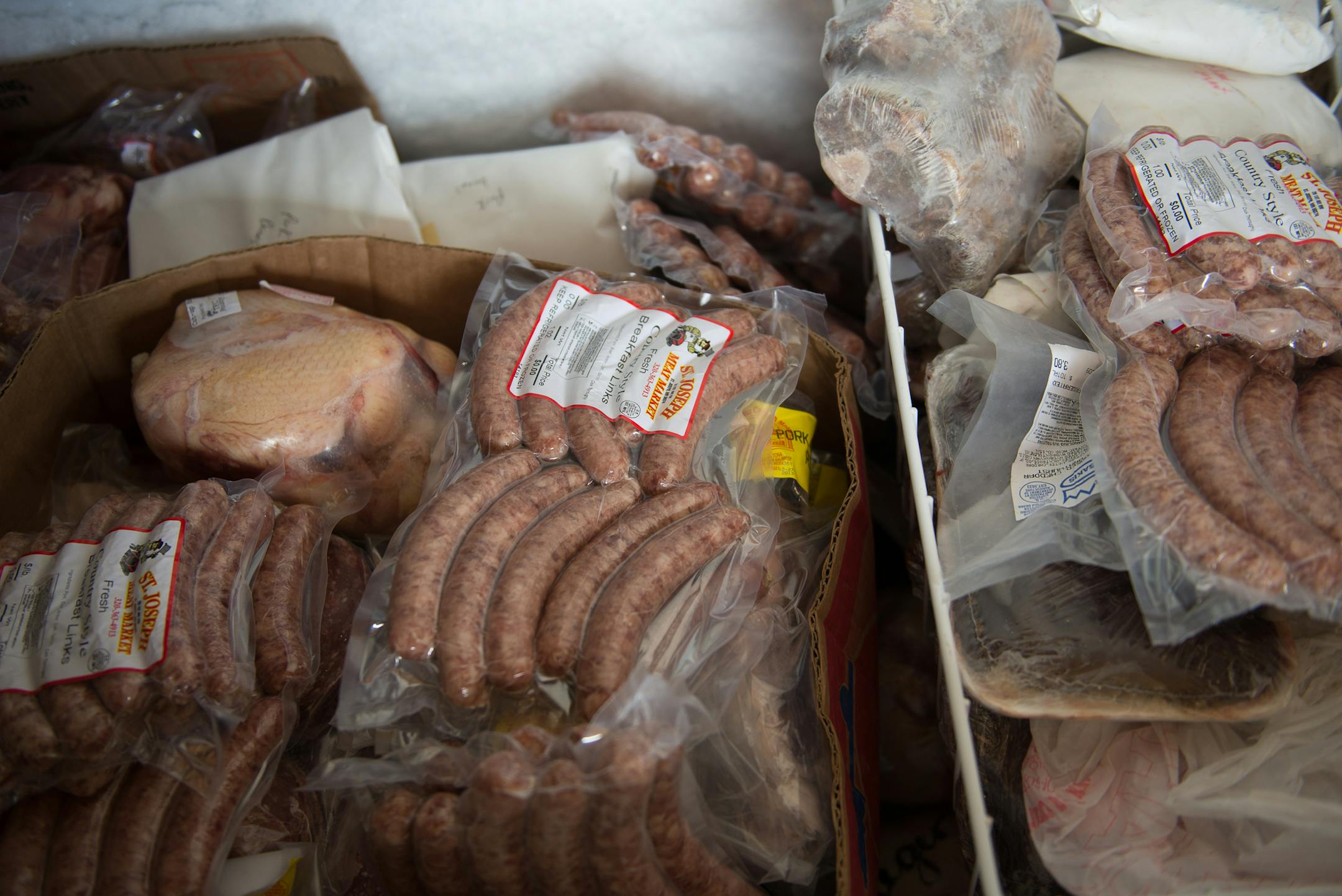
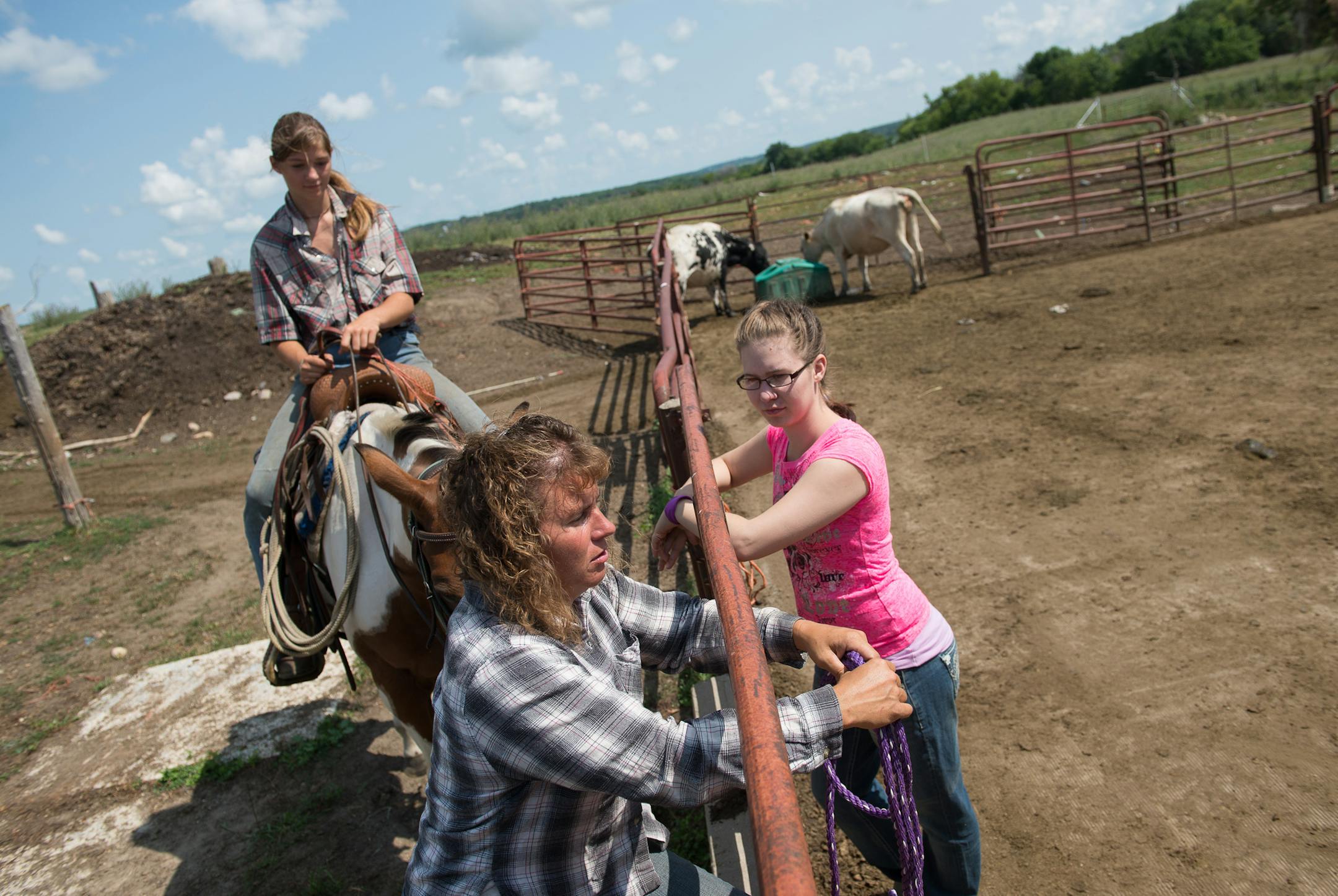
For a dozen years, Traeger worked with her three daughters, a rarity in the ranching world. Now, though, the two oldest have married and moved out of state. It's just her and 15-year-old Hailey, driving a freezer truck on weekends and many weekdays to co-ops and farmers markets from Fargo to Linden Hills.
If people would only ask, "Where's this beef from?" or "How was it raised?" Traeger thinks she might gain an advantage, because her answers are, "Right here" and "The way nature intended."
The hurdle is getting that message out.