

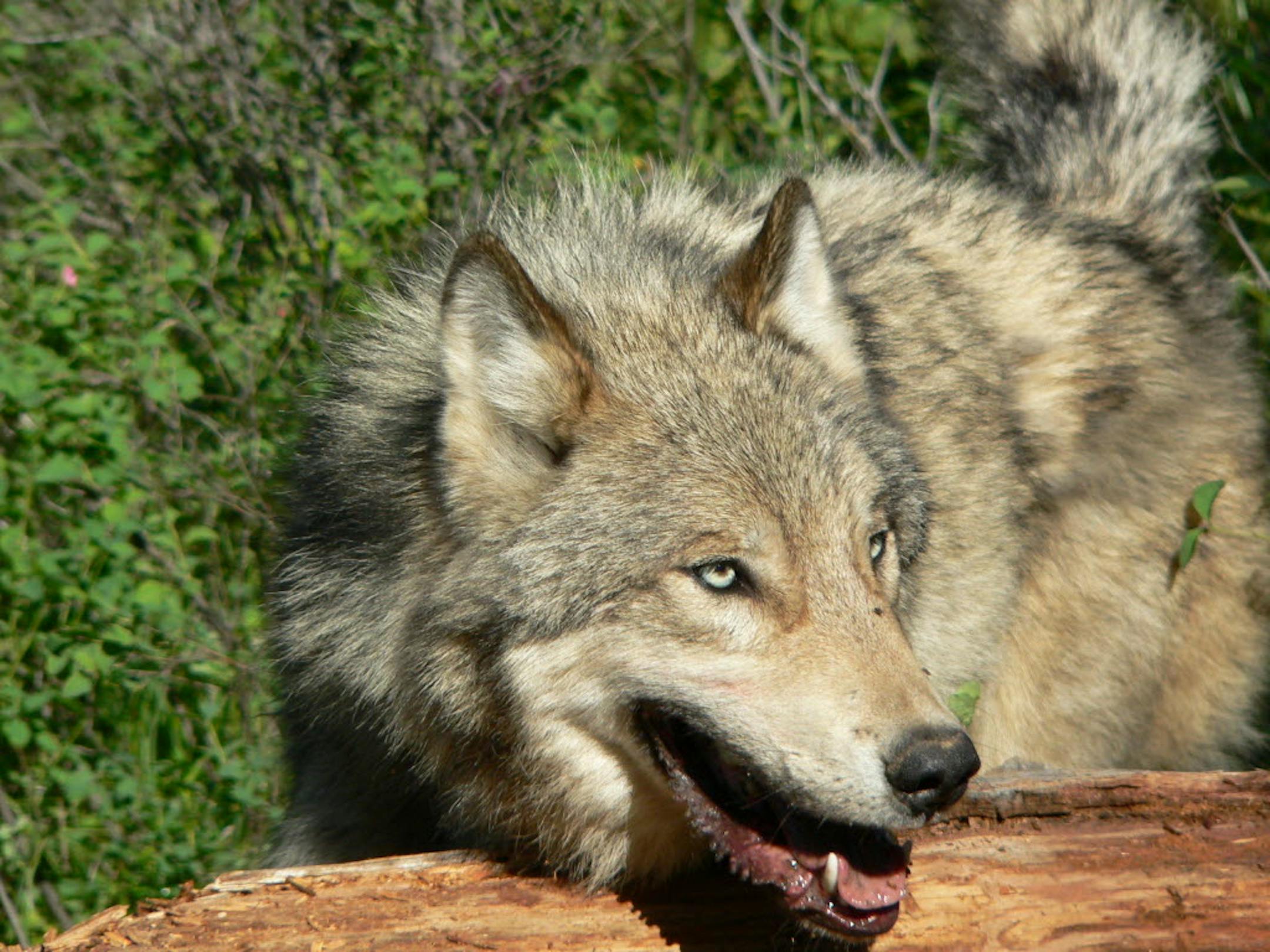
BILLINGS, Mont. - Government agencies are seeking broad new authority to ramp up killings and removals of gray wolves in the Northern Rockies and Great Lakes, despite two recent court actions that restored the animal's endangered status in every state except Alaska and Minnesota.
Various proposals would gas pups in their dens, surgically sterilize adult wolves and allow "conservation" or "research" hunts to drive down the predators' numbers.
Once poisoned to near-extermination in the lower 48 states, wolves made a remarkable comeback over the last two decades under protection of the Endangered Species Act. But as packs continue to multiply their taste for livestock and big game herds coveted by hunters has stoked a rising backlash.
Wildlife officials say that without public wolf hunting, they need greater latitude to eliminate problem packs. Montana and Idaho held inaugural hunts last year but an August court ruling scuttled their plans for 2010.
"As the wolf populations increase, the depredations increase and the number of wolf removals will increase. It's very logical," said Mark Collinge, Idaho director for Wildlife Services, the U.S. Department of Agriculture branch that removes problem wolves, typically by shooting them from aircraft.
"You just have to accept that part of having wolves is having to kill wolves," he said.
But wildlife advocates and animal rights groups contend the response to depredating wolves has become too heavy-handed. They say a string of court decisions in their favor underscores that the species remains at risk.
"The draconian lengths they are poised to take really are a throwback, to when the same agency was gassing wolf pups in their dens almost a century ago and setting poisoned baits and trapping them," said Michael Robinson with the Center for Biological Diversity.


