
Withering Glance: Growing up non-artisanal

August 11, 2012 at 9:55PM
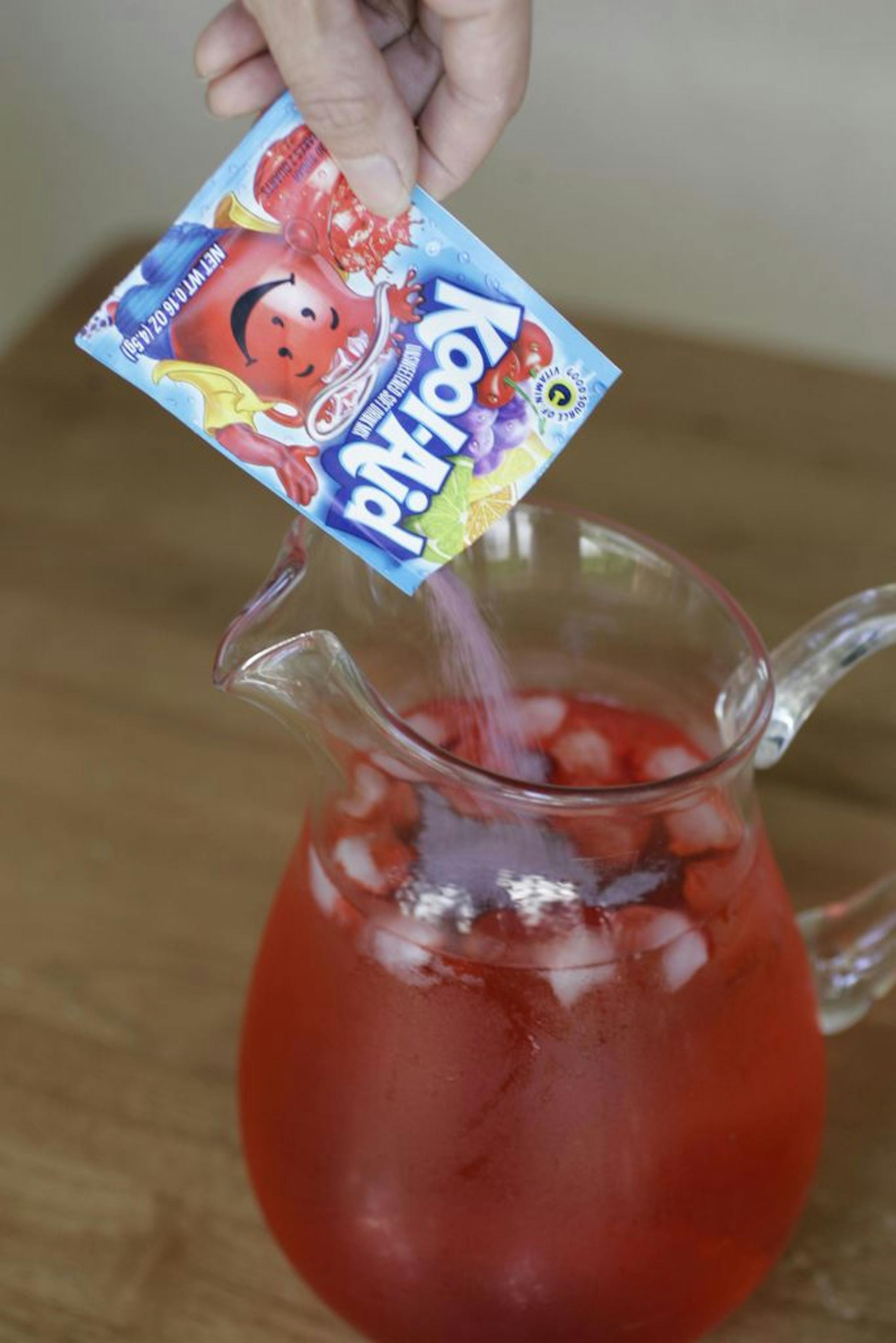
In this Monday, July 28, 2008, photo, Sharon Robinson makes Tropical Punch Kook-Aid, which is made by Kraft Foods, in Palo Alto, Calif. The death of Trayvon Martin, 17, at the hands of a neighborhood watchman in February ignited many demonstrations of protestors carrying bags Skittles while marching for the arrest of shooter George Zimmerman. But Skittles are not the first popular food brand to find itself at the center of a major controversy. The terms �the Twinkie defense� and �don't drink the
In this Monday, July 28, 2008, photo, Sharon Robinson makes Tropical Punch Kook-Aid, which is made by Kraft Foods, in Palo Alto, Calif. The death of Trayvon Martin, 17, at the hands of a neighborhood watchman in February ignited many demonstrations of protestors carrying bags Skittles while marching for the arrest of shooter George Zimmerman. But Skittles are not the first popular food brand to find itself at the center of a major controversy. The terms �the Twinkie defense� and �don't drink the Kool-Aid� became part of the vernacular decades ago in the wake of tragic events. More recently, Doritos made headlines when it was reported that the corn chips were Saddam Hussein's favorite snack. (Associated Press - Ap/The Minnesota Star Tribune)

Rick Nelson and Claude Peck dispense unasked-for advice about clothing, etiquette, culture, relationships, grooming and more.

CP: When it came to mustard, my childhood was so non-artisanal. Plochman's was the mass-produced bright-yellow slop we squeezed out of a plastic barrel onto hot dogs. How did we do it, Rick?

RN: Beats me. In the summer we cooled off with those small envelopes of Kool-Aid, which, when mixed with a pitcher of water and, yes, an entire cup of granulated sugar, produced a beverage in a color unknown to Mother Nature. All over these great United States of ours, dentists' income skyrocketed.

CP: My siblings and I kept the dental fraternity in country clubs, for sure. An annual checkup wasn't complete without "more bad news." The upside was we'd get to go to a diner in Evanston afterward for a green river -- sucrose and soda.

RN: Today's equivalent -- except that it's delicious, of course -- would be an all-natural blackberry-pomegranate-ginger soda from Joia. In fact, I want one right now.

CP: I didn't start drinking coffee until I was 9, but it was not shade-grown on family fincas in Guatemala, then small-batch roasted hours before sale. More like a big can of Maxwell House that had sat on a shelf at the A&P for years.

RN: I always likened it to brown sawdust.

CP: Do you think today's young'uns are demonstrably better off, foodwise, with the mania for gluten-free, free-range and guilt-laden?

RN: Yes, and no. For a certain segment of the parenting populace, if it doesn't come from the co-op or out of a CSA box, their precious fawns don't eat it. But I suspect that far more Americans grow up thinking dinner automatically includes a SpongeBob SquarePants toy.

CP: You must try the SquarePants mac-and-cheese. To die for.

RN: I'm fairly certain I consumed a peanut butter-and-Welch's sandwich every day of my six-year tenure at Palmer Lake Elementary School, and did it with a smile on my face. I feel for all the kids afflicted with peanut allergies, because although it tastes like ground peanut shells and sugar to me today, I happily grew up on Skippy Super Chunk.

CP: And nowadays, the shame one feels upon choosing that brand over the jar produced with the tiniest of carbon footprints by a small cooperative in rural Georgia.

RN: Yes, choosy mothers choose organic. I don't know if "admire" is the right word here, but I do feel something for the marketers who have abducted the word "artisanal," pasting it on Starbucks breakfast sandwiches, Freschetta frozen flatbread pizzas and other opposite-of-small-batch foods.

CP: That would be like us trying to pass this thing off as Artisanal Glance.

RN: Works for me. One lovingly hand-crafted column at a time -- and available at a farmers market near you.

Email: witheringglance@startribune.com Twitter: @claudepeck and @RickNelsonStrib

about the writer

about the writer

Rick Nelson and Claude Peck, Star Tribune

More from No Section

See More
FILE -- A rent deposit slot at an apartment complex in Tucker, Ga., on July 21, 2020. As an eviction crisis has seemed increasingly likely this summer, everyone in the housing market has made the same plea to Washington: Send money — lots of it — that would keep renters in their homes and landlords afloat. (Melissa Golden/The New York Times) ORG XMIT: XNYT58
Melissa Golden/The New York Times

It’s too soon to tell how much the immigration crackdown is to blame.