

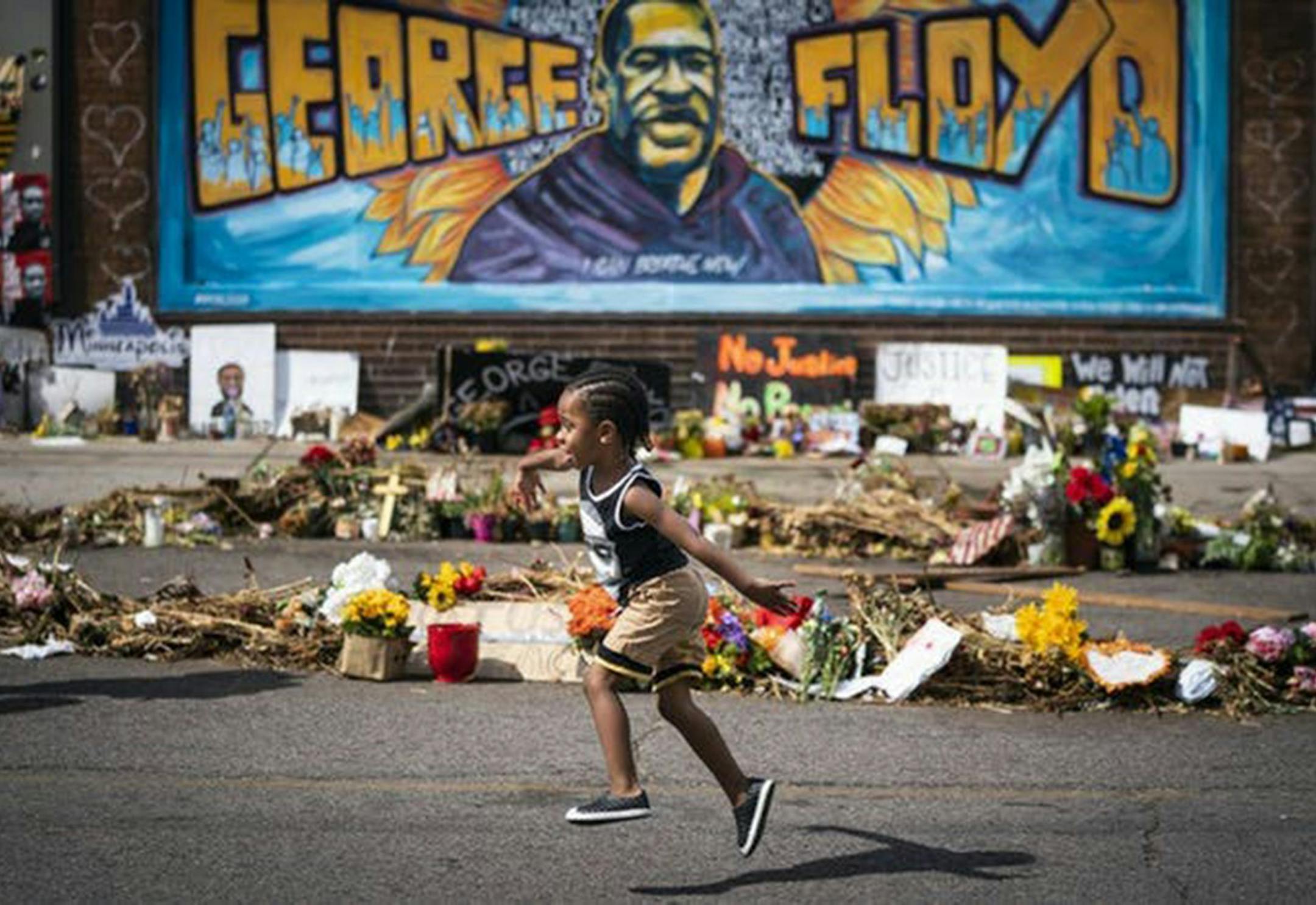
As Black History Month nears its end, I think about where we've been as a community over the last year, and where we're going.
March 2021 will remind all of the trauma of 2020 — the COVID-19 pandemic and police violence.
The trial of Derek Chauvin for the death of George Floyd begins in March. One might consider this to further traumatize our people and be the tipping point.
The irony of a trial rooted in police violence and racism beginning on the heels of Black History Month is not lost on me. Black Minnesotans may be forced to endure as our community and country debate, dehumanize and victim-blame a Black man with an imperfect history. We will likely hear how they spin Floyd's health comorbidities as a cause of his death, while simultaneously ignoring how they've contributed to the health disparities in our city.
But have all sought to understand our grief and anger before pointing fingers and placing blame?
The harrowing experiences of this past year are about more than police violence. They are cruel acts from the medical community, our employers and our legislatures. It's the violence of our society, which lacks a sufficient safety net for the most vulnerable among us.
Chauvin's trial, though significant and necessary, deals with only a part of a larger system of immorality. We cannot discuss harm done against Black bodies without looking at all forms of violence that plague our community and how each converges into a system that kills us.
For Black Minnesotans, we've seen a pandemic disproportionately impact our communities and families. We've witnessed record job loss among Black women, who are continuing to be pushed out of the workforce altogether. Access to affordable child care, paid family leave and remote work were never a reality for us, and the absence of these needed resources continues to cause harm.


