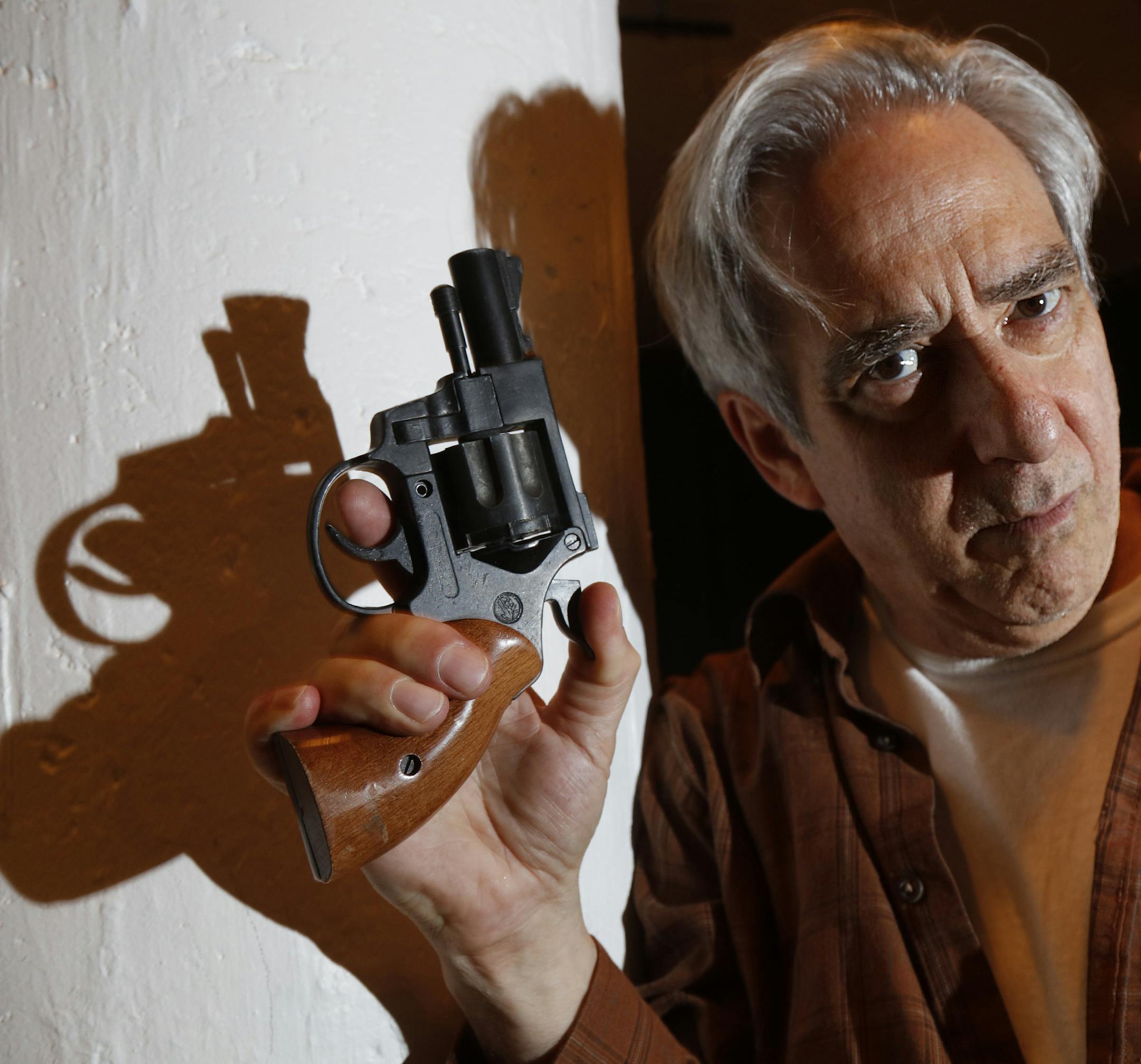
The day after a gunman massacred 49 nightclub revelers in Orlando, actor Robert Dorfman went onstage in Minneapolis to play an armed, distressed father seeking vengeance in "And So It Goes."
Dorfman's character addressed the audience directly, deliberating about suicide, murder-suicide and mass murder. The week before, the dark comedy by George F. Walker — a regional premiere, staged by Dark & Stormy Productions — drew a lot of laughs. But post-Orlando, the audience was quiet, tense, heavier in spirit. So was Dorfman. During the scene in which he first produces a weapon, the actor froze.
"We perform in an intimate space, and how quickly or gingerly I pull the gun from my pocket is affected by the temperature of the audience," he said. "I was still for five to 10 seconds. I could feel their fear."
Theater is often regarded as a place for escape, but that is difficult when tragedy strikes. Theatergoers and theatermakers alike carry with them the news from the real world — news that now is delivered swiftly and amplified by social media.
"That was always a fantasy, that we get away from the world through art," said Penumbra Theatre founder Lou Bellamy. "I think that we engage the world more deeply through art, not escape it."
At a time when mass killings occur with regularity, deploying firearms in a play has become trickier than ever, said Bellamy. He recently staged Dominique Morisseau's "Sunset Baby," a drama in which a drug dealer pulls a weapon from his waistband.
"I chose for the actors to never point it at anyone," Bellamy said. "My mother ran a bar when I was a kid. I've seen people who've been shot. You don't have to point it at anyone to have the desired effect."
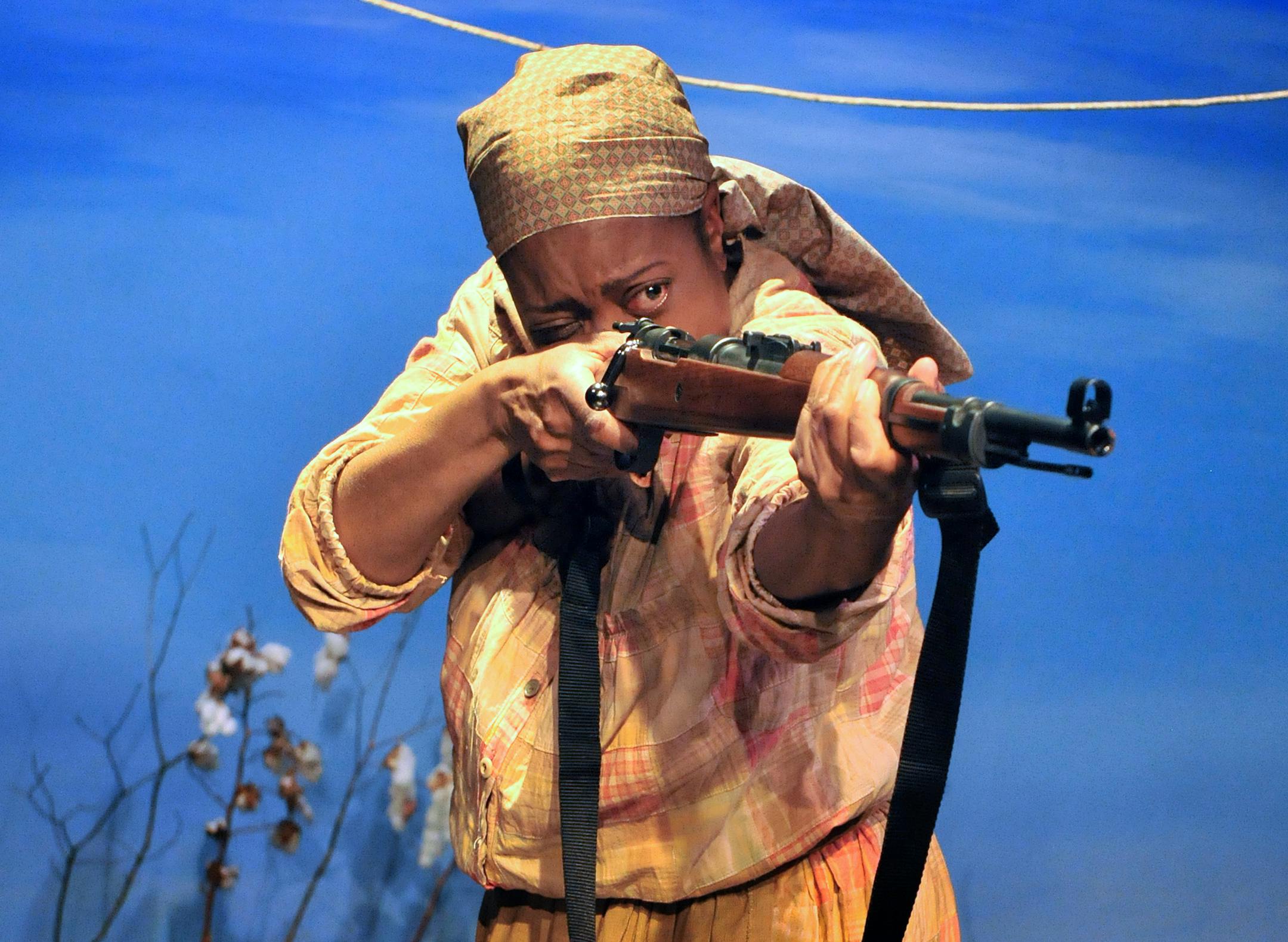
Actor Regina Marie Williams, who wielded a rifle as a distraught mother in Christina Ham's new drama "Scapegoat" at Pillsbury House Theatre in Minneapolis, said she tried not to make audiences feel threatened, especially after Orlando.