

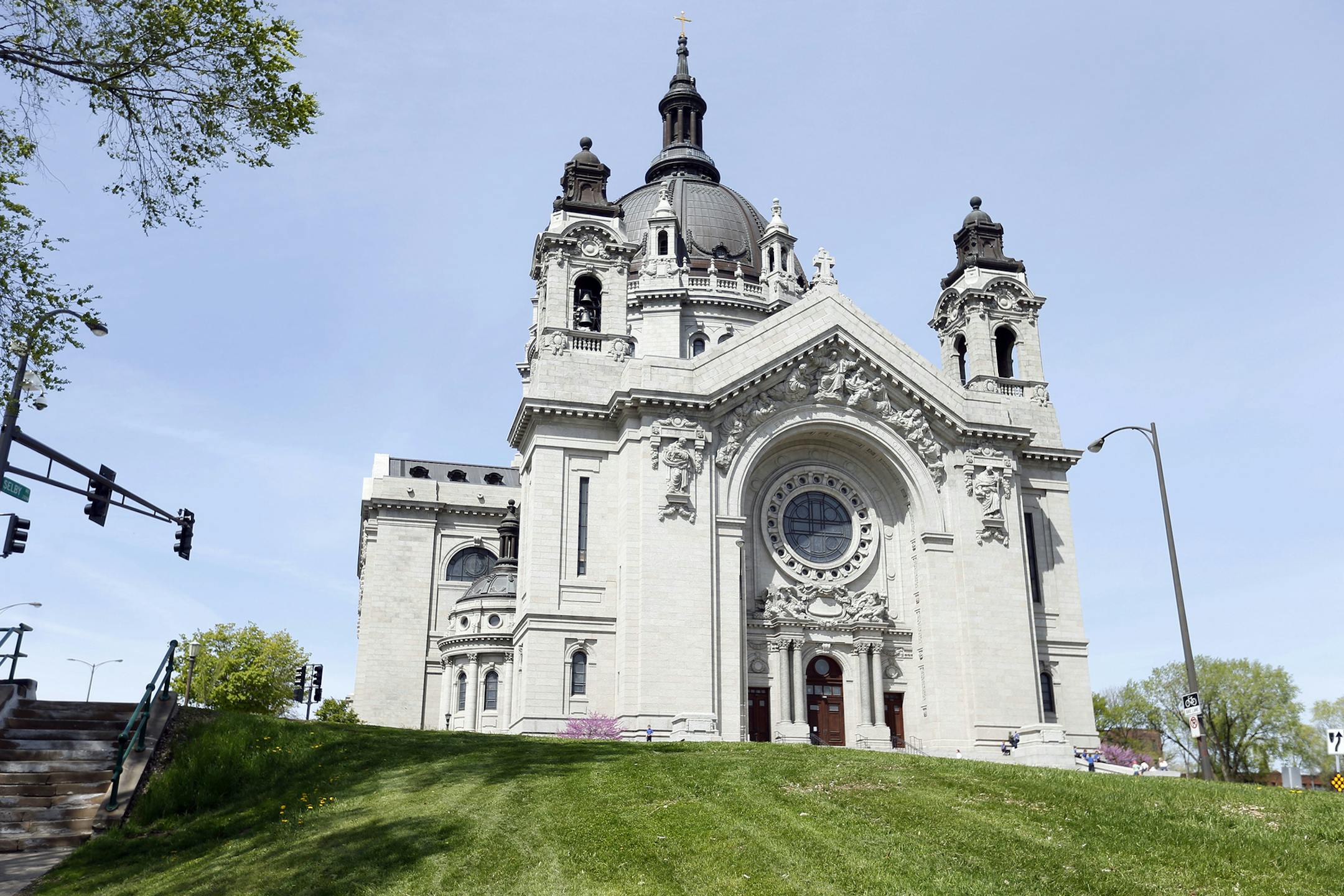
The Archdiocese of St. Paul and Minneapolis submitted its sixth progress report on clergy abuse protocols to a Ramsey County District judge Thursday, indicating it is in "substantial compliance" with a 2015 settlement agreement with the county.
The archdiocese continues to strengthen oversight of sexual misconduct issues: Its clergy and staff have been trained on detecting and handling abuse, and Archbishop Bernard Hebda meets regularly with officials in charge of protecting children, according to the report, which outlined other measures.
Judge Teresa Warner told archdiocese officials at the Thursday hearing that while the church is complying with the agreement's specifics, it also must plan for a future when court oversight has ended. That happens next year.
"We're not doing this to just comply with the settlement agreement, but to change the culture," said Warner, who then asked archdiocese officials if they were satisfied with progress on that front.
Tim O'Malley, director of the Office of Ministerial Standards and Safe Environment, responded, "Yes. We're not there yet." But, he said, progress is being made.
Thursday's hearing marks the third year that Warner has reviewed biannual progress reports from the archdiocese stemming from the settlement of a sex abuse case involving former St. Paul priest Curtis Wehmeyer. The Ramsey County Attorney's Office filed civil and criminal charges against the archdiocese in 2015 for failure to respond to repeated reports of sexual misconduct by Wehmeyer, who is now serving prison time for molesting the sons of a parish worker.
The civil charges were dropped in December 2015 with a settlement agreement requiring a sweeping overhaul of archdiocese practices for protecting children and handling clergy abuse reports. Criminal charges were dismissed in 2016 with a public apology by the archbishop and further strengthening of child protection measures.
Warner, a judge in child protection cases, said there is typically "discharge planning" when a child is slated to be reunified with his or her family. That type of planning should be considered by the archdiocese as it moves toward the end of court jurisdiction.


