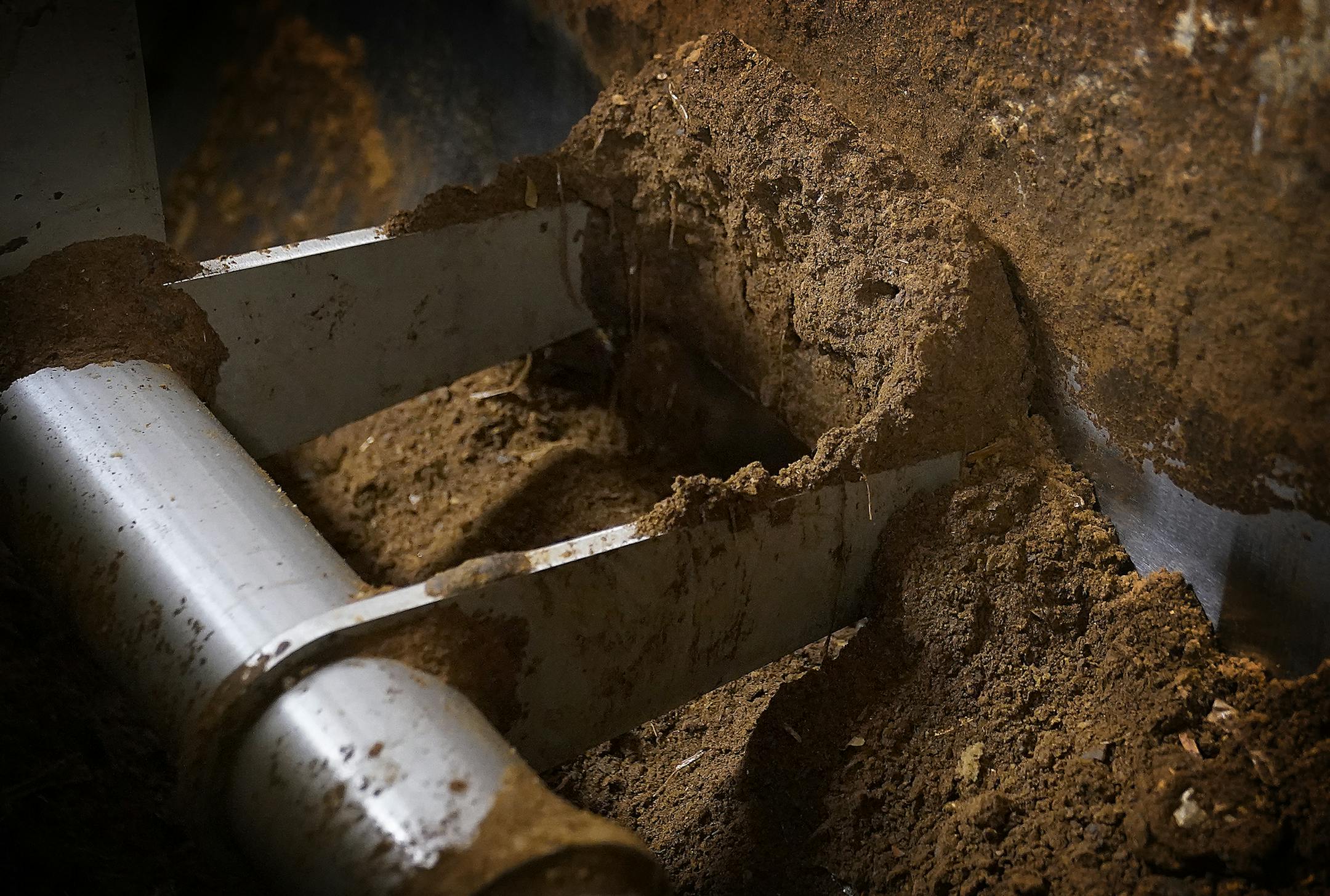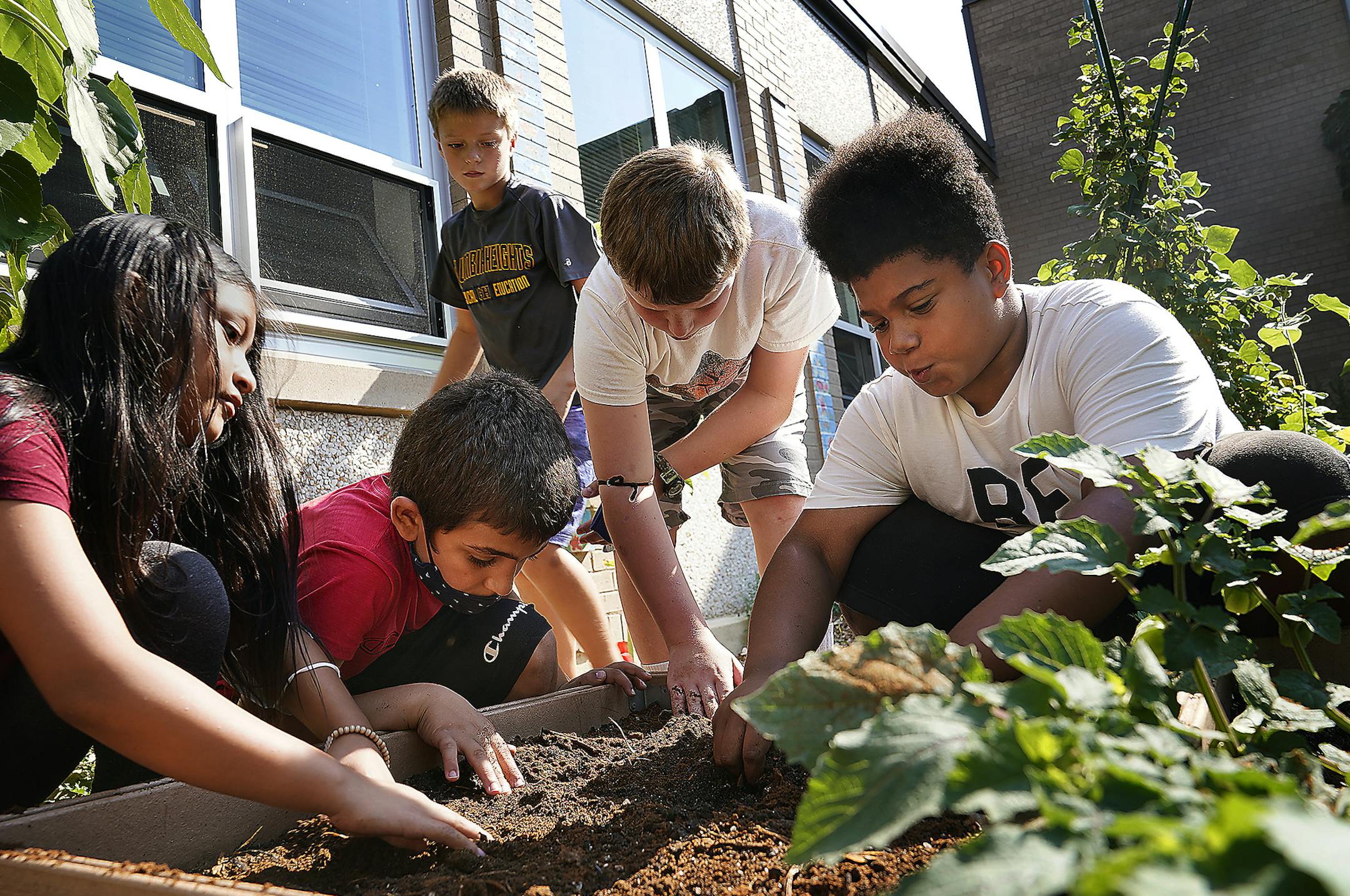
Leftover lunch is hardly going to waste at an elementary school in Fridley, where a new machine is turning table scraps into clean-burning fuel to heat the building and compost material to help gardens grow.
Called the biodigester, the system is the latest addition to the curriculum centering on science, technology, math, creativity and sustainability at North Park School for Innovation.
"It's a real good message to get across to our kids," said Principal Jeff Cacek. "We want our kids to understand about sustainability. We owe it to them to give them tools and teach them."
North Park, part of the small Columbia Heights Public School District, is believed to be the first school in the U.S. to get a biodigester, after a former superintendent heard about it at a dinner party and worked with manufacturer Waste to Energy Canada to donate the biodigester and a biomass boiler to the school.
Students and staff dump their uneaten food into a bin that is emptied into the biodigester. The waste is heated to more than 150 degrees and broken down in 12 to 24 hours. When done, the digester spits out a dark mulch-like nutrient soil additive that's tilled into the school's rain and courtyard gardens and used as fuel to power the boiler.
"It looks like coffee," said Lincoln Bolitho, a North Park fifth-grader. Though he doesn't like the smell, he thinks adding the biodigester was a good idea. "It helps with food for plants."
The system reduces mass and volume of organic waste by up to 70%, said Kim Shelquist, director at Waste Water Panels, a Minneapolis environmental company providing support.
With the school now filling its dumpsters only once a week, that means many fewer trips to the landfill and lower dumping fees at incinerators, amounting to considerable savings.