

Retired Minnesota Supreme Court Justice Alan Page is a Minnesotan of distinction — a jurist and community icon of strong principles and measured words, usually found over long years of public service persuading rather than provoking.
But Twitter doth make trash-talkers of us all, it seems. Recently Page tossed off a tweet that, in its way, is an eloquent expression of a hollowing out of heart and soul in America today.
"Naive silly me," Page tweeted on June 12. "Until this latest kerfuffle it never occurred to me that military bases were named after Confederate generals. Who names military bases after losers?"
It's a witty taunt, I suppose — at least, one presumes it's meant that way. Despite the old South's many sins that inspire myriad calls for consigning its heroes' names to oblivion, it is seldom seriously denied that Confederate military commanders proved skillful on Civil War battlefields considering their large disadvantages in troops and materiel. Anyhow, Grant thought so.
But Lee and Picket, Beauregard and Bragg certainly were "losers" in the end. And when one stops to think about it — if one ever stops to think — Page's question really is a puzzler.
Who does name forts after losers? Who honors losers in any way? And not just everyday losers, mind you, but failed insurrectionists who dared to rise up against the dominant order. What kind of an all-conquering civilization turns its enemies, even its traitors, into almost a cadre of posthumous heroes?
America does things like that. Or used to. Today, we seem to be losing — disowning, really — the American genius for forgiving and forgetting. Forgetting the most painful parts of the past, or at least allowing them to fade a bit in the mists of time.
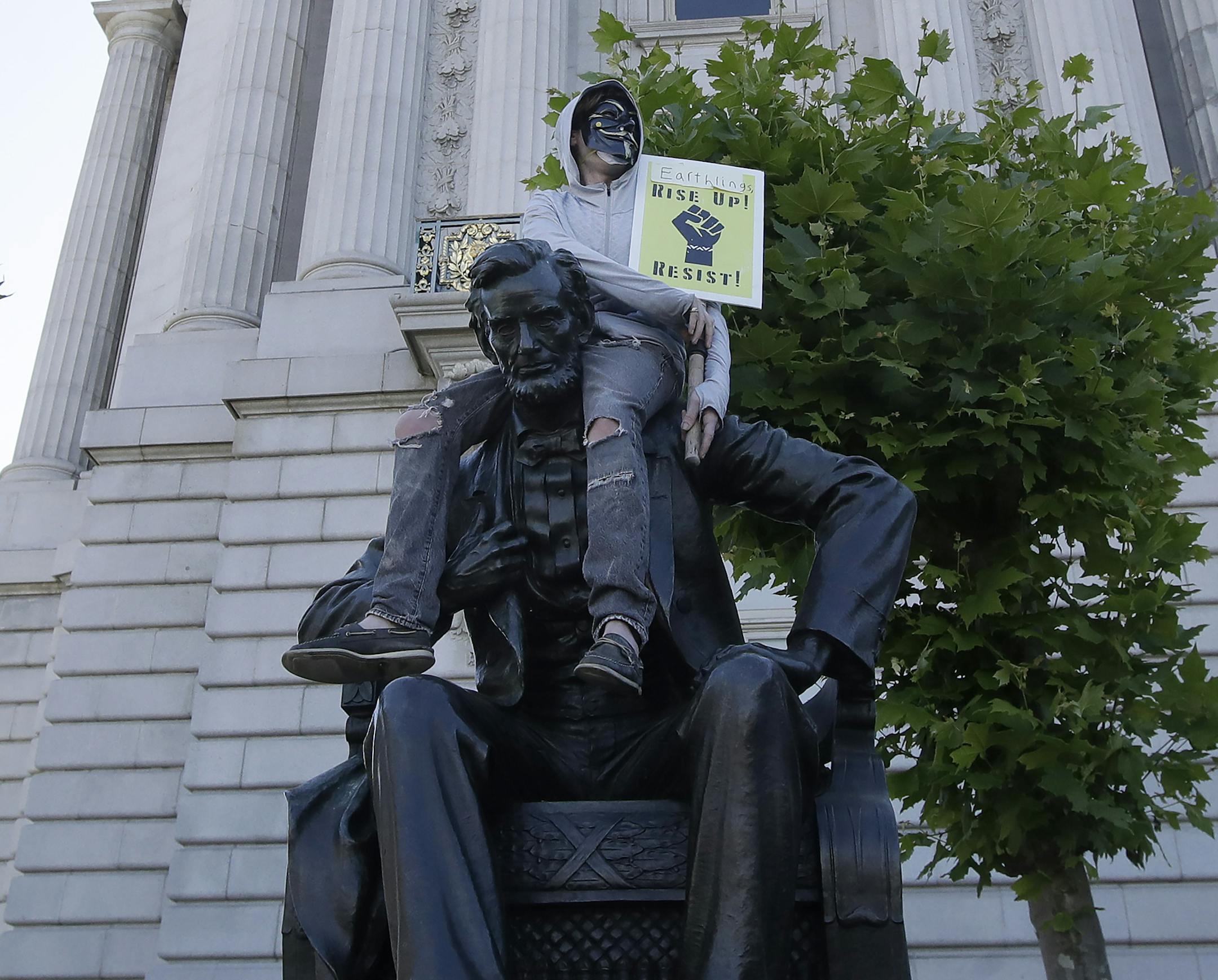
Even before the final end of one of humanity's bloodiest civil wars, President Abraham Lincoln urged his countrymen to "bind up the nation's wounds ... with malice toward none, with charity for all."


