

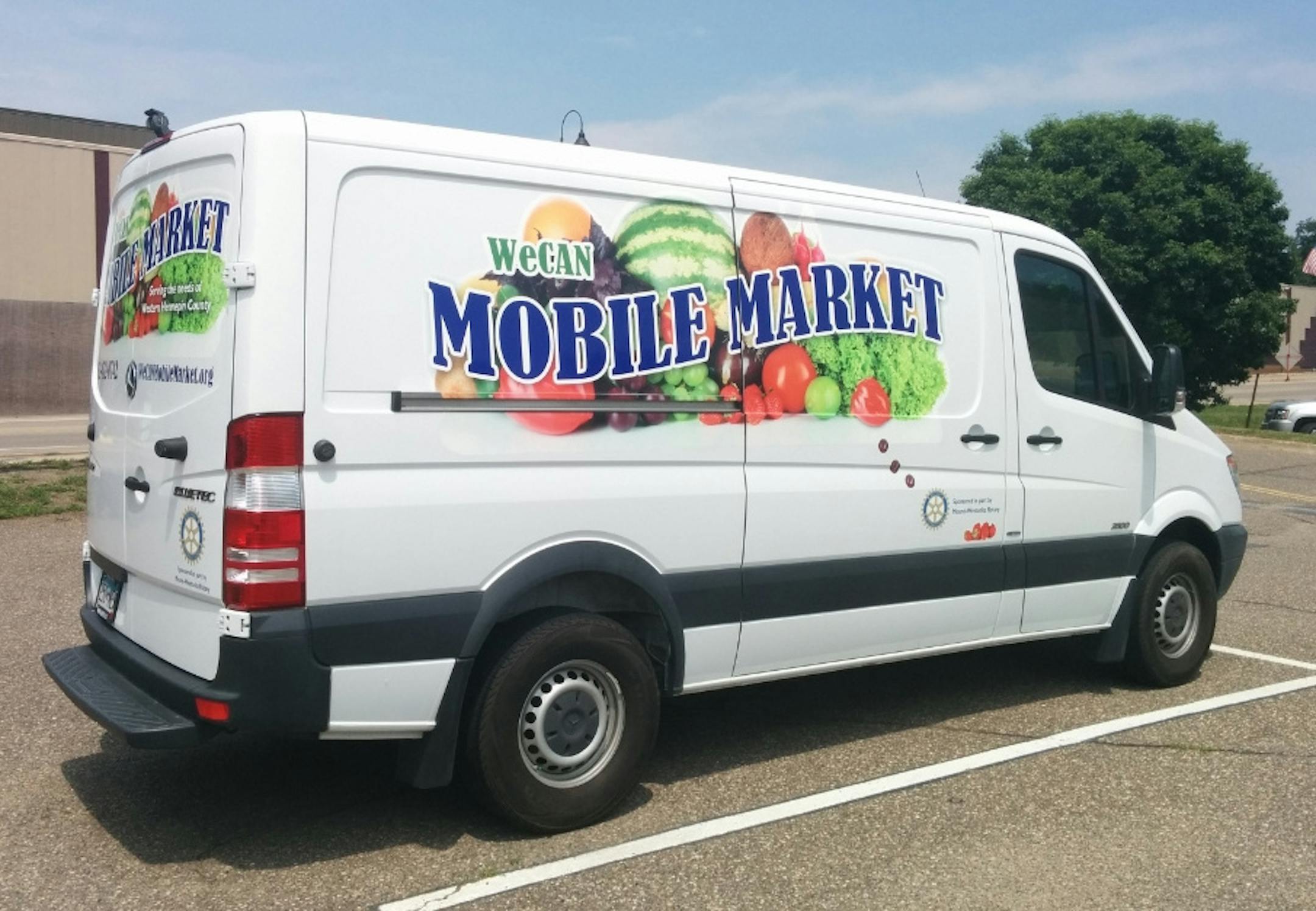
A food shelf works only if hungry people can get to the food. And not everyone can.
Disability, age and lack of transportation are among the factors that can make brick-and-mortar food shelves inaccessible to those who need them. The problem is particularly severe among senior citizens and in Greater Minnesota, according to food shelf directors throughout the state.
"These are people who have worked hard all their lives, and now they're trying to live on $586 a month," said Michelle Miller, executive director of the Two Harbors Area Food Shelf.
Over the last five years, food shelf visits statewide are up by 6 percent. But visits by seniors are up 24 percent, according to Hunger Solutions Minnesota, a public policy group that works on food-related issues. To broaden the reach of local food shelves, the state this year awarded $1 million in grants to 17 food shelves, with the money targeted to either creating or expanding mobile food shelf service. Another $1 million is set to be granted next year.
"Transportation in this state is a huge issue, particularly if you have limited mobility or you have a disability," said Colleen Moriarty, executive director of Hunger Solutions. "And there is more need for seniors in every part of the state."
In Mankato, the ECHO food shelf has seen a significant jump in recent years in the number of seniors using its service, said Marcia Olauson, the mobile food shelf coordinator. Even so, many hungry people were missing out.
"Many of our clients were not able to get to the food shelf, or they weren't able to take home as much food as they were allowed, because they couldn't carry it," Olauson said.
ECHO already had started a mobile service several years ago, but its $24,000 grant allowed the group to buy more food this year for its mobile program, which is run by volunteers using their own vehicles. And seniors aren't the only ones being served.


