

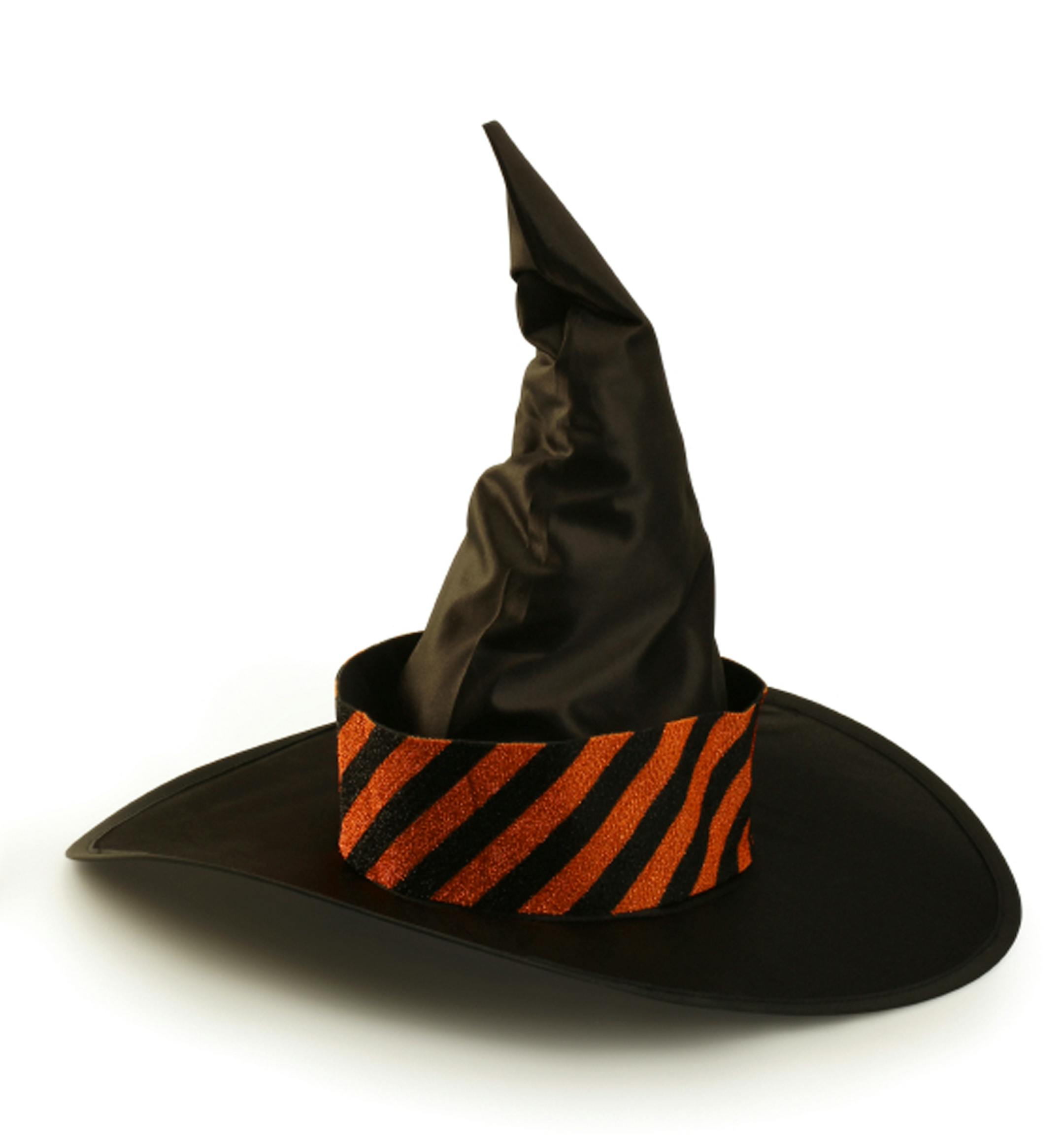
If you're rifling through used-clothing bins looking for an inexpensive Halloween costume, you'll want to make sure it's not too creepy-crawly -- as in crawling with bedbugs.
With trick-or-treat outfit purchasing time cresting this week, used-clothing costume meccas like the Salvation Army and Arc's Value Village thrift stores have not seen a dip in business due to the bedbug fears that started sweeping the nation last summer. Nor have they had infestations. But that doesn't mean they're not doing anything about it.
While the bedbug headline grabbers this summer belonged to retail outlets like Abercrombie & Fitch and Victoria's Secret in New York City, the specter of an invasion is especially troublesome for thrift stores, because they take in used goods for resale from a variety of sources. They also tend to have operating budgets too low to afford multiple $1,000 pest-control treatments for bedbugs.
"The best strategy is prevention," said Erin Geiser, who oversees Arc Value Village's four metro-area thrift shops. "We want to keep bedbugs out of our stores. We don't want to give them an opportunity to settle in."
Several months ago, Value Village began training staffers and volunteers on how to identify bedbugs, as well as their waste and skin casings, paying particularly thorough attention to furniture, linens and luggage. In July, they also started contracting for monthly pest-control service checks at all stores. So far, so good, Geiser said.
The Salvation Army, which has stores in the metro area, also trains staff members to do on-the-spot bedbug checks of donated items, both at dropoff sites and in the stores.
"We haven't heard of any issues with bedbugs here in Minneapolis," said spokesman John Hulteen. "We do make it clear this is an as-is operation, and we can't assume responsibility."
Adele Meyer, director of the 1,200-member National Association of Resale Professionals (18 members in Minnesota), said that "everyone is aware of this happening, but it hasn't been a problem for our industry."


