

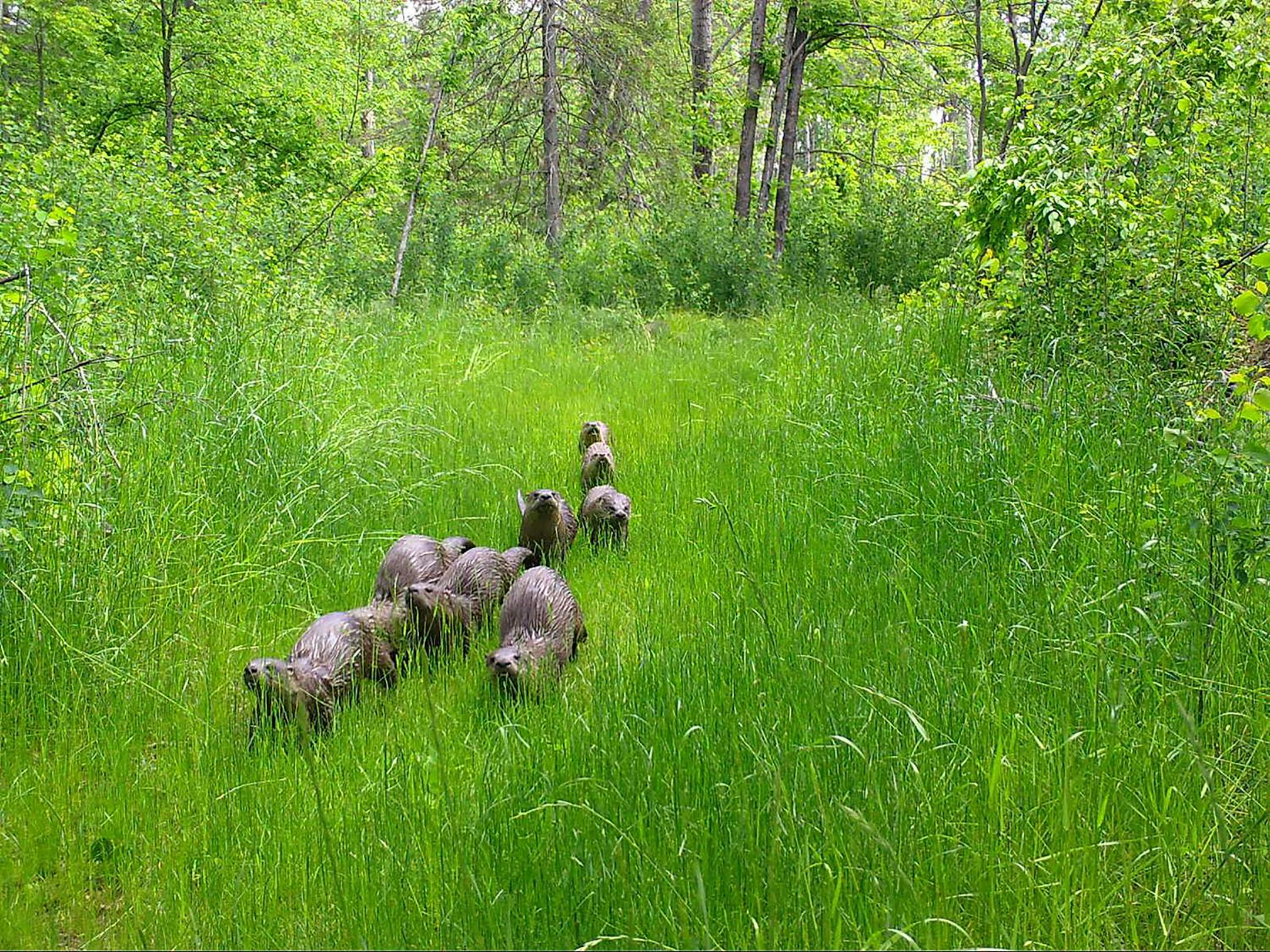
In ecology, as in comedy, timing is everything.
Hours, minutes or even seconds can make the difference for an animal between stumbling upon a predator and avoiding one, between finding a bush loaded with berries and discovering branches that have already been gnawed bare. Mere moments can determine whether a raccoon comes face-to-face with a bobcat at night, whether a deer disappears into the trees before a coyote appears on the scene.
An animal's fortunes, and the health of entire ecosystems, can hinge on these ephemeral encounters — or lucky non-encounters. "An animal must be at the right place, at the right time, to avoid predators, find food, reproduce successfully," said Neil Gilbert, a postdoctoral researcher at Michigan State University.
In that way, the interactions between the animals in a given ecosystem are like a theatrical production, he said, adding, "For the production to be a success, each actor has to be onstage, in the right place, and they must act and deliver their lines at the right time."
A Wisconsin study reveals how humans might unwittingly rewrite these ecological scripts, altering how the characters interact and fueling more interspecies encounters.
To conduct the study, Gilbert and his colleagues analyzed images captured by Snapshot Wisconsin, a citizen-science project run by the Wisconsin Department of Natural Resources. Since 2016, volunteers have deployed more than 2,000 wildlife cameras across the state, capturing tens of millions of images of Wisconsin's fields, farms and forests — and the fauna that frequent them.
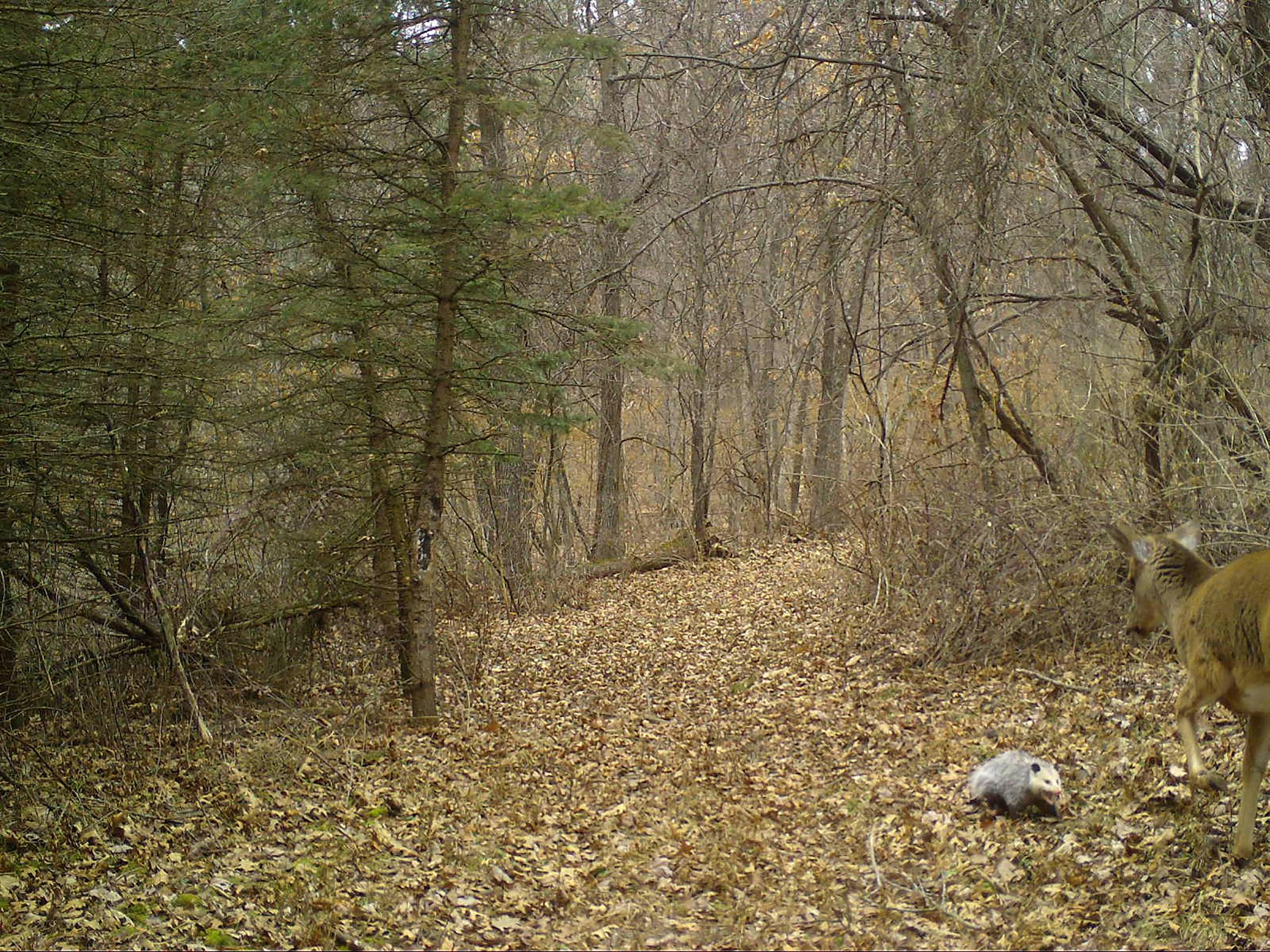
Wild animals of different species were more likely to lead overlapping lives — appearing at local camera sites in quicker succession — in human-altered landscapes, like farms, than in more undisturbed locations, such as national forests, scientists reported in PNAS in December.
The finding suggests that human disturbance can squeeze animals closer together, increasing the odds that they bump into each other. "There's a little less elbow room," Gilbert said.


