

I had to admire the brave face that Eliot Seide, the head of Minnesota's largest public-employee union, put on the trouncing his side took last Tuesday in Wisconsin's gubernatorial recall election.
After Republican Gov. Scott Walker's victory was clear, Seide -- of AFSCME Council 5 -- issued a statement calling the election "another step in a long march to restore worker freedom in Wisconsin."
He didn't say what direction that step took. He didn't need to.
By keeping Walker in office, Wisconsin voters rejected the pleas for relief by public-employee unions whose collective bargaining and dues-collecting rights were stripped at Walker's initiative in 2011.
It looked to this amateur historian like a major defeat, something about which future scholars of the American labor movement will devote entire textbook chapters.
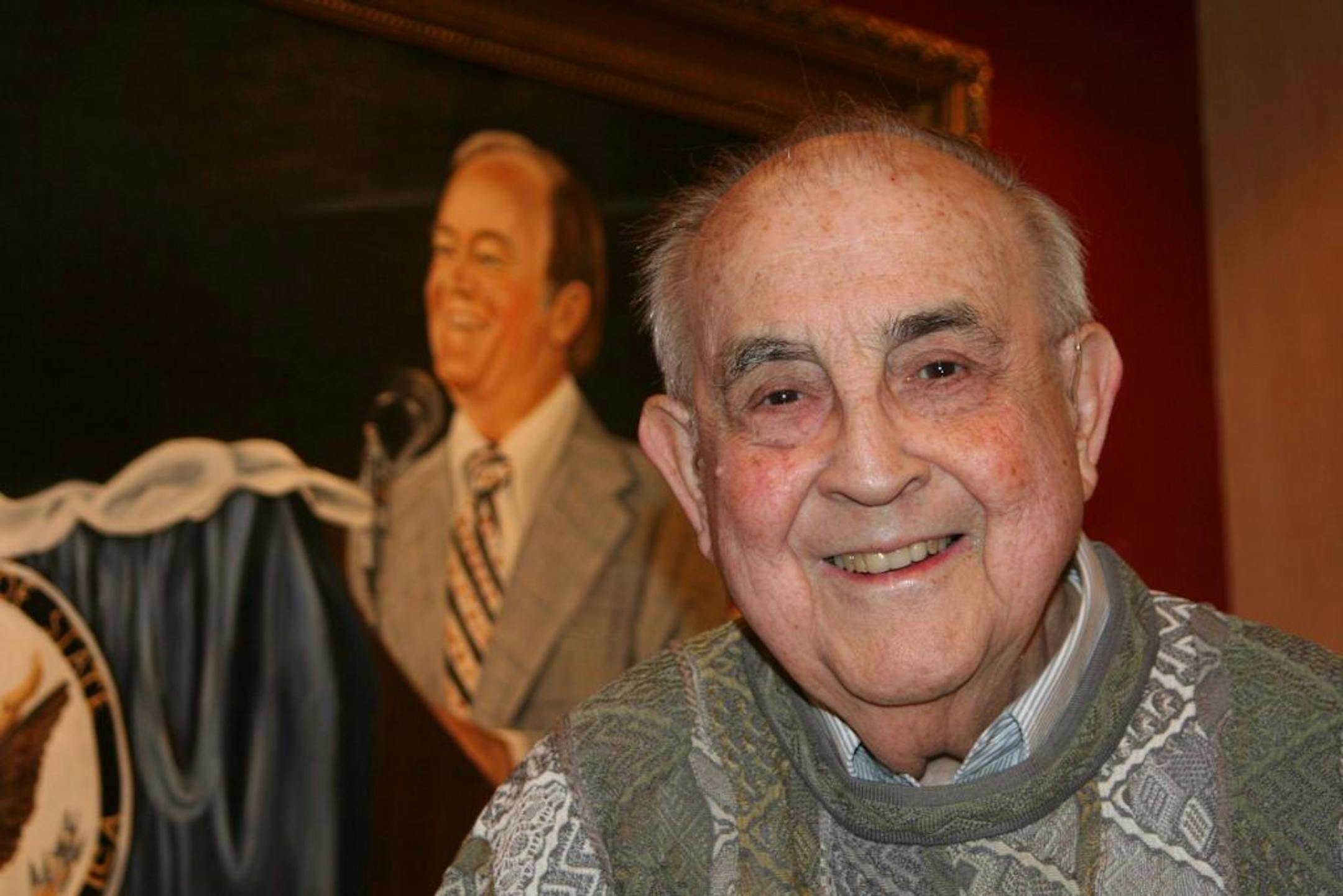
Or not, said someone who would know -- the University of Minnesota's Hy Berman, this state's leading labor historian.
"This was an event, but not a turning point or a critical event," Berman said Wednesday. "It reinforces a tendency that already exists. It may accelerate that tendency, but that's about all."
"Tendency" is evidently a scholarly term for the suspicion, jealousy and scorn with which a sizable share of today's Americans views labor unions in general and public-employee unions in particular.


