

Opinion editor's note: Editorials represent the opinions of the Star Tribune Editorial Board, which operates independently from the newsroom.
•••
Meningococcal disease, a serious bacterial infection that can lead to meningitis, is rare but fearsome. The illness can make someone severely ill with terrifying speed, which is especially alarming given that children and teens are at increased risk.
Nearly 90% of young patients who die from it succumb within 24 hours of diagnosis. That can leave too little time for modern medicine's arsenal to work. "Even with antibiotic treatment, 10 to 15 in 100 people with meningococcal disease will die," according to the U.S. Centers for Disease Control and Prevention (CDC).
Those who do survive can be left with life-altering complications. Up to 1 in 5 can have limb loss, deafness, seizures or brain damage.
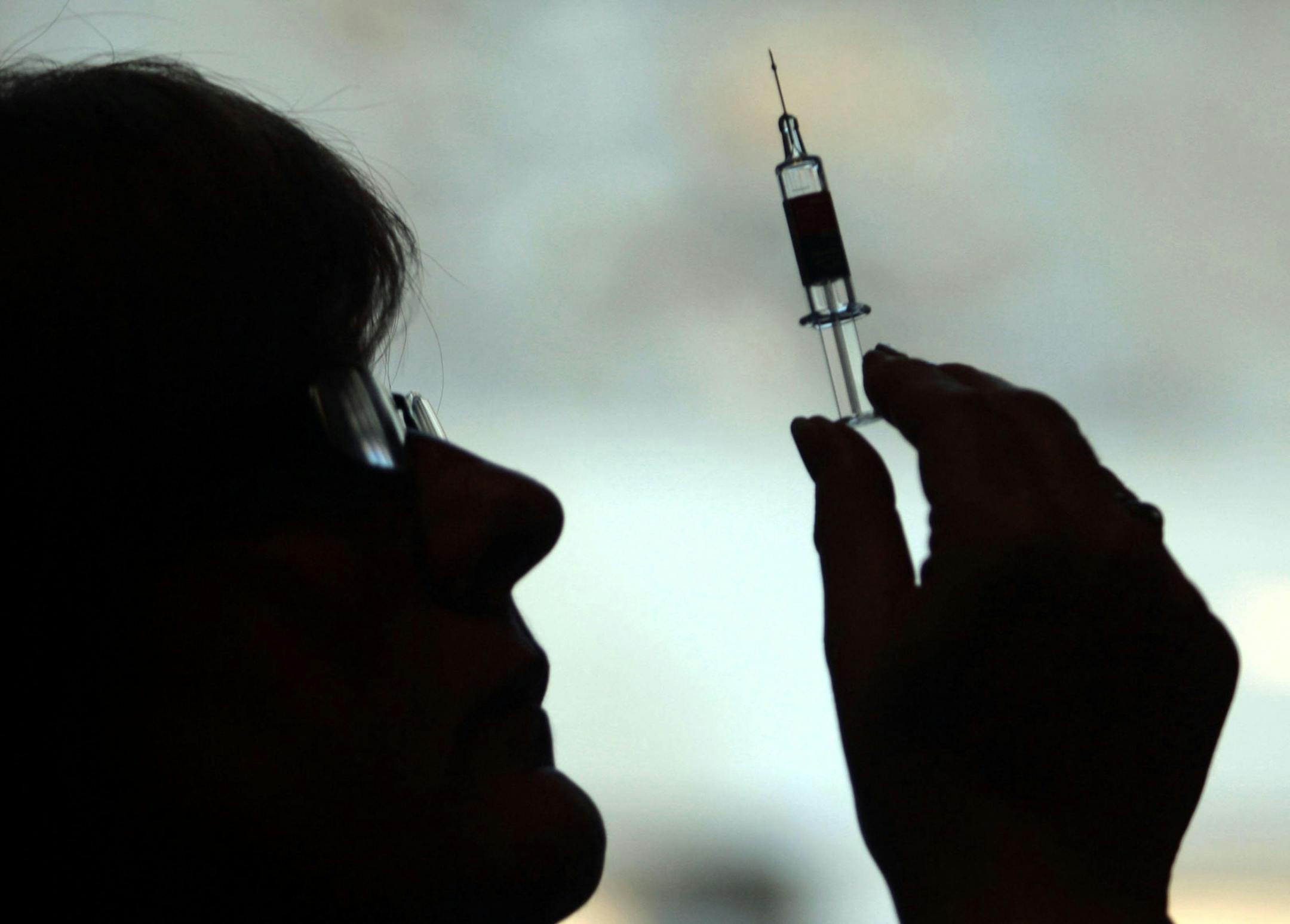
The good news is that there's a vaccine to prevent the heartbreak this pathogen can cause. And while many states, Minnesota included, have conscientious policies to boost meningococcal vaccination rates, Wisconsin is a laggard — a regrettable reality that its Republican legislative majority recently and recklessly declined to remedy.
Across the nation, state policymakers generally decide which immunizations to require for school-aged children, hewing to health experts' guidance. These have long included shots for diphtheria, pertussis, tetanus, polio, measles, mumps and rubella.
Medical advances have made new vaccines available. Meningococcal disease, which can lead to infections of the lining of the brain and spinal cord (meningitis) and bloodstream, is among them. The CDC first recommended the meningococcal vaccine in 2005. The public health agency calls for a single dose for all 11- to 12-year-olds and a booster dose at age 16.


