(The Minnesota Star Tribune)
(The Minnesota Star Tribune)
(The Minnesota Star Tribune)
(The Minnesota Star Tribune)
(The Minnesota Star Tribune)
(The Minnesota Star Tribune)
(The Minnesota Star Tribune)
(The Minnesota Star Tribune)
(The Minnesota Star Tribune)
(The Minnesota Star Tribune)
(The Minnesota Star Tribune)
(The Minnesota Star Tribune)
(The Minnesota Star Tribune)
(The Minnesota Star Tribune)
Hurricane Hunters Reflect on Historic Season. WWL-TV in New Orleans has the story; here's an excerpt: "...Looking back on the historic season, Smithies said the hardest part was knowing just how close to home some storms were hitting. "We have everyone living from New Orleans to Biloxi to Mobile so we are constantly away flying storms either out of home station or flying them out of other places. To have so much of the activity threatening home for us was tough this year," said Smithies. "How did you cope with so many storms so close to home this year?," asked Dudley. "I hate to use the word compartmentalize but it's part of what we have to do," said Smithies. "I mean duty calls and our mission is extremely important. We know that so we have to just prepare our families and homes the best we can and hope that everything is all good when we come home..."
(The Minnesota Star Tribune)
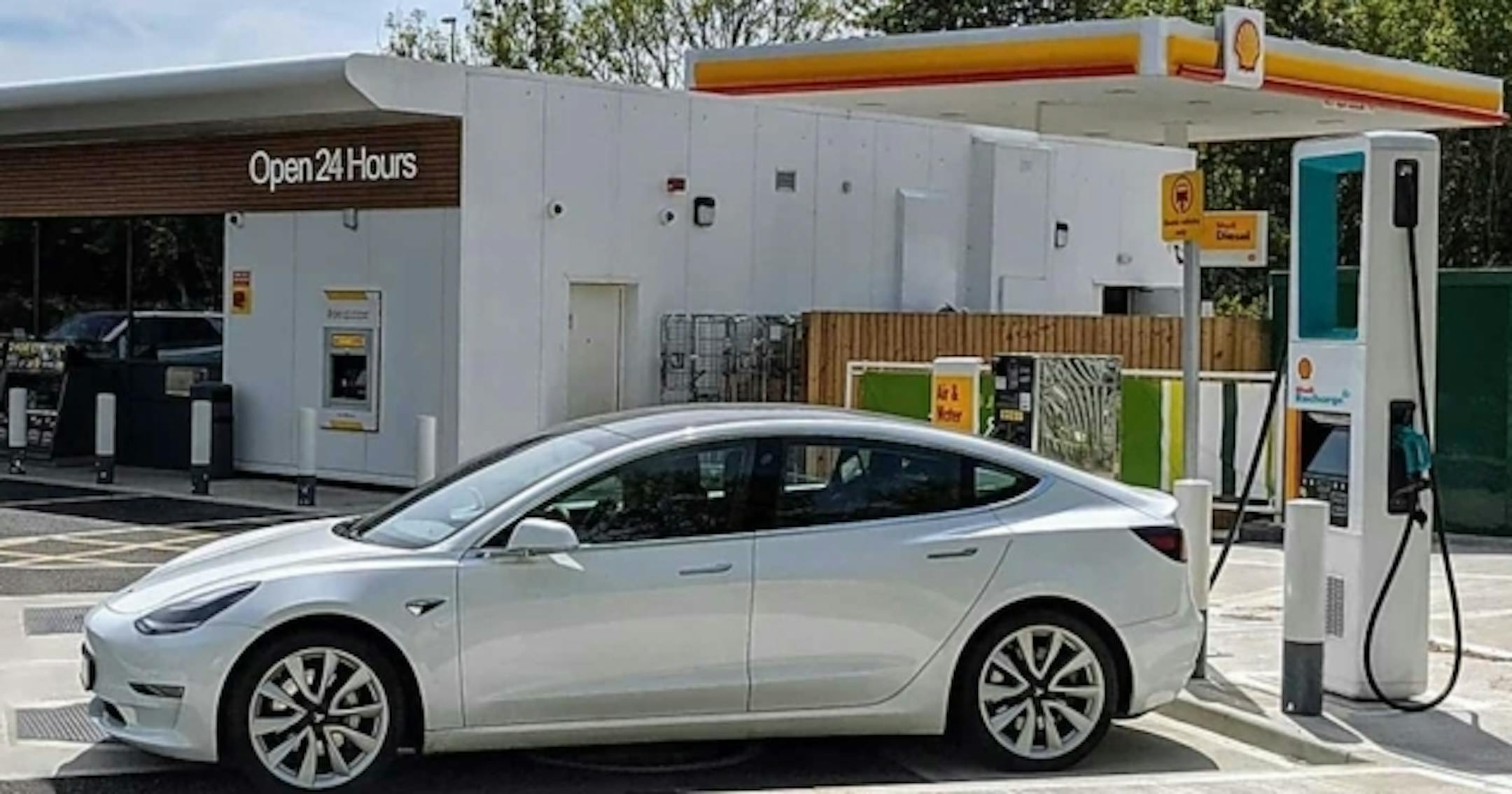
Should Electric Car Chargers Be Installed at Gas Stations. Sounds like a logical transition to me. Here's an excerpt from InsideEVs: "...Would charging at gas stations really be so bad? After all, there are plenty of them around, they're widely distributed, and by definition they're located conveniently for drivers. For years now, they've been earning their profits on soda and chips, not on gasoline, so their owners shouldn't care much whether it's ethyl or electrons that brings in the customers. The movement to electrify gas stations is already well underway in Europe. BP's UK-based charging network subsidiary Chargemaster already has DC fast chargers up and running at several retail sites, and the company plans to roll out 400 ultra-fast chargers at BP sites across the UK by the end of 2021. Total and Shell are also moving aggressively into the EV charging space. In June, Germany announced that it would require all of the country's 14,000 or so gas stations to add EV charging stations..."
Photo credit: "Shell is beginning to install EV chargers at some of their gas stations across Europe (Source: Shell UK)
(The Minnesota Star Tribune)
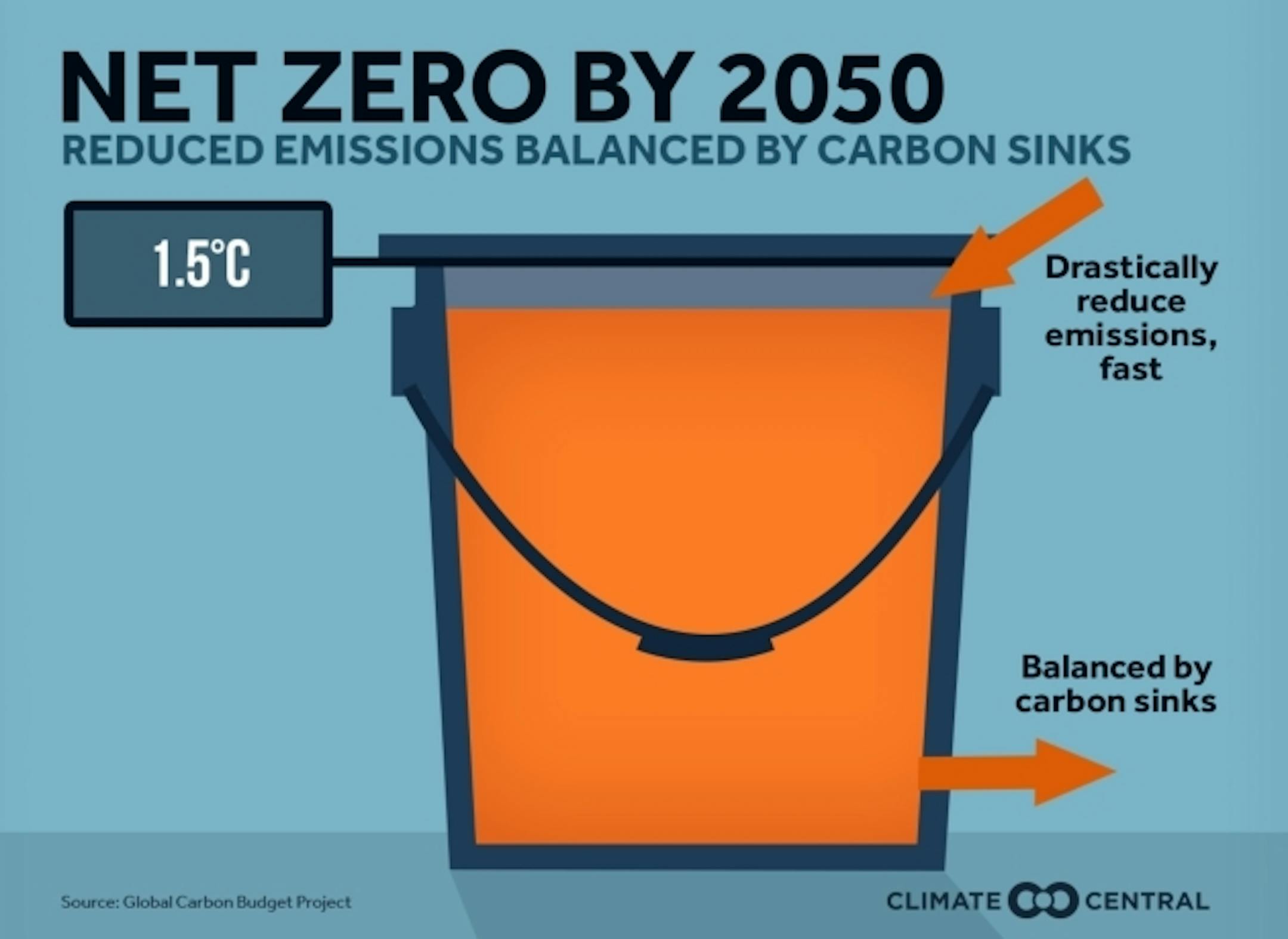
What is "Net Zero"? Climate Central examines the challenge: "The term "net zero" means that any greenhouse gas emissions released are balanced by an equal amount being taken out of the atmosphere. The Paris Climate Agreement created goals to limit the increase in global temperatures to well below 2.0°C (3.6°F) above pre-industrial levels, and to aim to curb the temperature increase to 1.5°C (2.7°F). To do this, global greenhouse gas emissions need to be cut in half by 2030, and reach "net zero" by mid-century for the 1.5°C degree target. Core areas of the U.S. economy—transportation, electricity, industry, agriculture, and commercial and residential buildings—need to undergo major transformation in order to get to net zero..."
(The Minnesota Star Tribune)
Find Your Place in the Vaccine Line. Looks like I'll be at the back of the line - which is fine with me. Check out the interactive vaccine calculator to see how quickly you may get a shot, courtesy of the New York Times (paywall): "A vaccine may be around the corner, but how long will it be until you get the shot? Health officials are considering vaccine timelines that give some Americans priority over others. If you're a healthy American, you may wait many months for your turn. To put this in perspective, we worked with the Surgo Foundation and Ariadne Labs using their vaccine tool to calculate the number of people who will need a vaccine in each state and county — and where you might fit in that line..."
(The Minnesota Star Tribune)
The Hair-Raising, Record-Setting Race to 331 MPH. Good grief. Impressed and slightly horrified. WIRED.com (paywall) has the details: "...After the satellite data from the onboard GPS system had been analyzed—the devices tracked two runs in opposite directions and calculated the average—Webb's last dash came in at a staggering 331.15 mph. The first run speed was 301.07 mph, making the final verified average 316.11 miles per hour, handily beating both the Koenigsegg and the Bugatti records and cracking the metric milestone of 500 kilometers per hour just for good measure. In addition, the morning's effort garnered records for the fastest flying mile on a public road (313.12 mph) and the highest speed achieved on a public road (331.15 mph). For Guinness to certify the achievement, the defacto keeper of world records sends two sanctioned witnesses and stipulates a variety of criteria, including production-vehicle specifications, the use of street tires and non-race fuel, and the averaged runs, to account for wind and road-grade factors that might favor a particular direction of travel..."