Winter is the time when your feeders can be filled with finches. Or not.
It depends a great deal on the coniferous and hardwood seed crops in Canada. Various finches eat various seeds. The seed crop varies year to year by tree species and geography. Seed crops are assessed each fall by a small army of observers from Manitoba east through Canada to the maritime provinces. Reports are gathered, and man named Ron Pittaway of Minden, Ontario, fashions a finch forecast. He speculates on southward movement by several species.
In general, it would be better if Minnesota were an eastern state instead of being toward the western edge of the Canadian forests where these birds spend most of their lives.
Cone crops are poor in eastern Canada, but "much better," according to Pittaway, in the Hudson Bay lowlands (north, northeast of us), and northwestern Ontario west to Alberta and beyond.
Pittaway posts his report on the birding email network BirdChat. Species by species, this is what he sees.
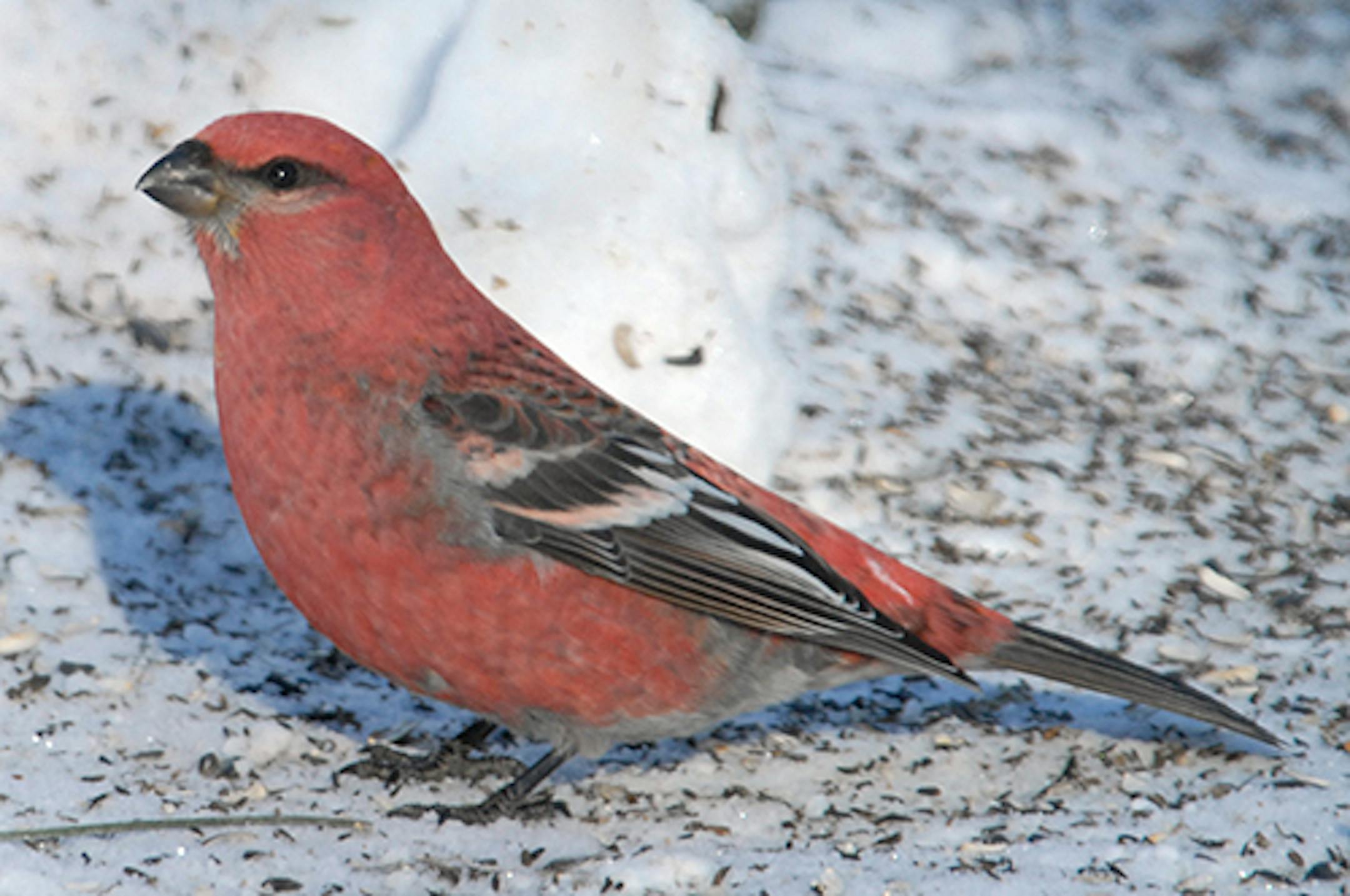
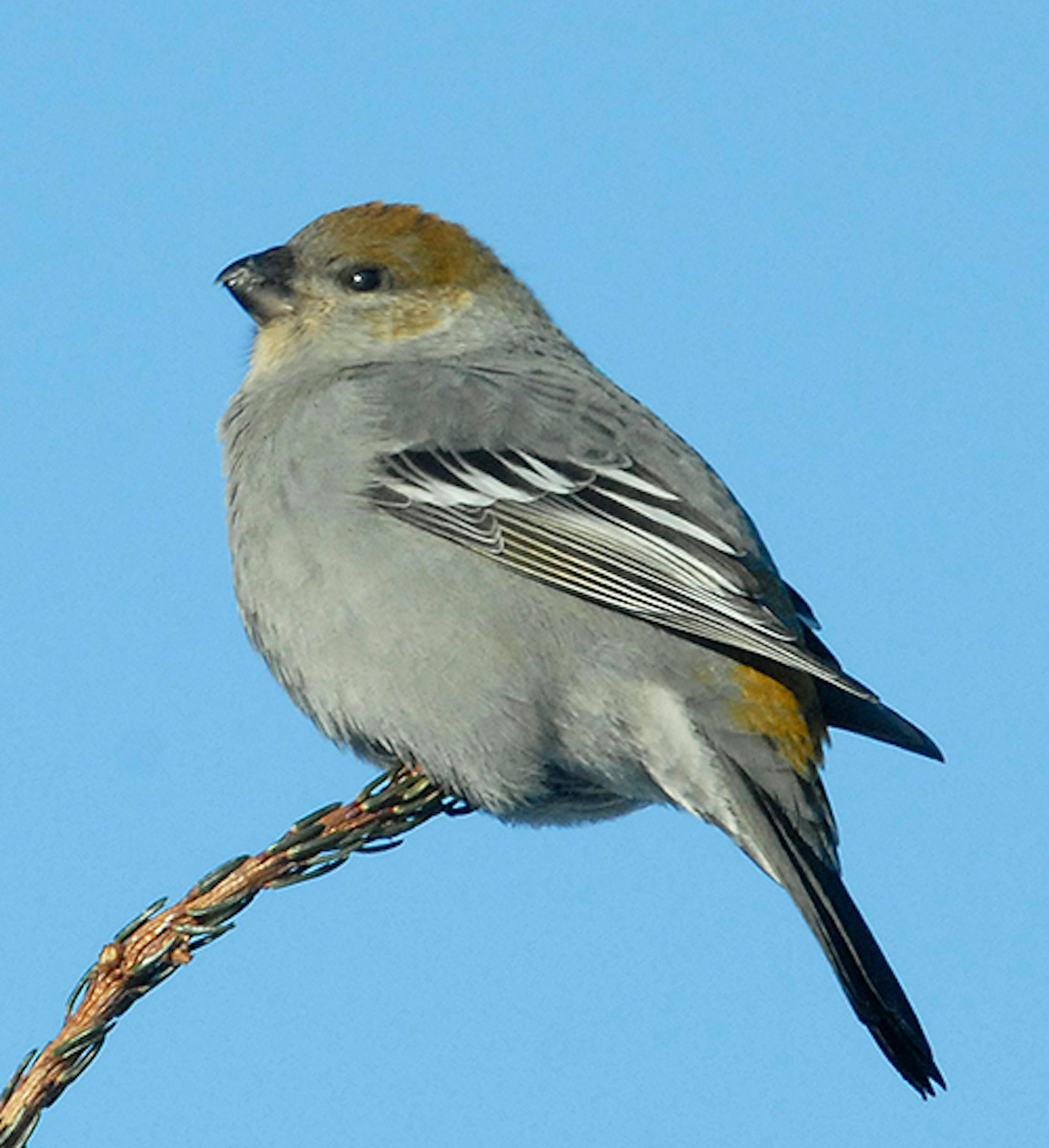
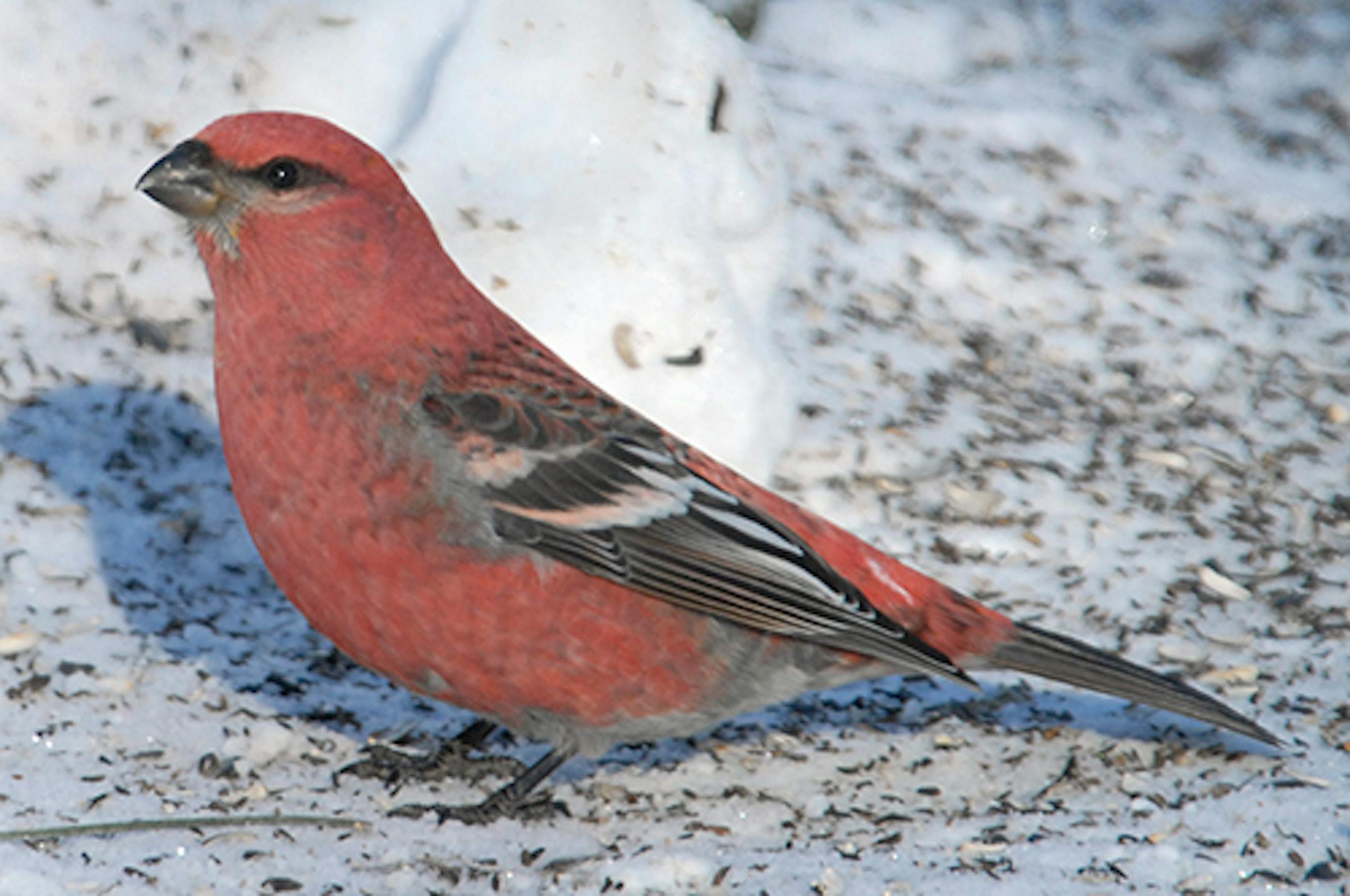
Pine Grosbeak: Mountain ash berry crop variable in northern forests, in part due to drought. What ash berries and ornamental crabapples there are will go fast. Grosbeaks are expected to use black oil sunflower seed at feeders, and buckthorn berries. We could see Pine Grosbeaks in more than usual numbers in northern counties. Birds drifting into central Minnesota are possible
Purple Finch: A strong migration south out of eastern Ontario is expected. Seed crops there are very low. Pittaway says that, "Purple Finch numbers have dropped significantly in recent decades as spruce budworm outbreaks subsided. Currently, a moderate population decline continues in the province."
Red Crossbill: The Cornell Lab of Ornithology reports a strong southerly migration of this species throughout the northern U.S. Minnesota, including the Twin Cities, saw a brief flare of crossbills in late summer and early fall. Reports of that species have been non-existent in recent weeks.