

Here is the thing about Winnipeg that is both obvious and easy to overlook: It is a foreign city. You have to cross a border to get there; the people speak with a noticeably different accent; they have their own currency; the signage is in both English and French.
When you plan your visit, you will need to be aware that Canadian holidays don't always match ours. Canada Day is always July 1. Thanksgiving Day is the second Monday in October. For a road trip, you will need to note that distances are measured in kilometers rather than miles, and gas is sold by the liter, not the gallon.
Winnipeg is such an exotic destination - and it's an easy seven-hour drive away: I-94 to Fargo, I-29 to the border, and then on to Manitoba on Highway 75.
What will you want to see and do when you get there? "Where Winnipeg" lists the following among the top 10 attractions (for a complete list, go to www.wherewinnipeg.com and click on "Winnipeg Icons").
Assiniboine Park - One of Canada's largest urban green spaces, home to a tropical conservatory, sculpture garden, zoo, gallery and restaurant.
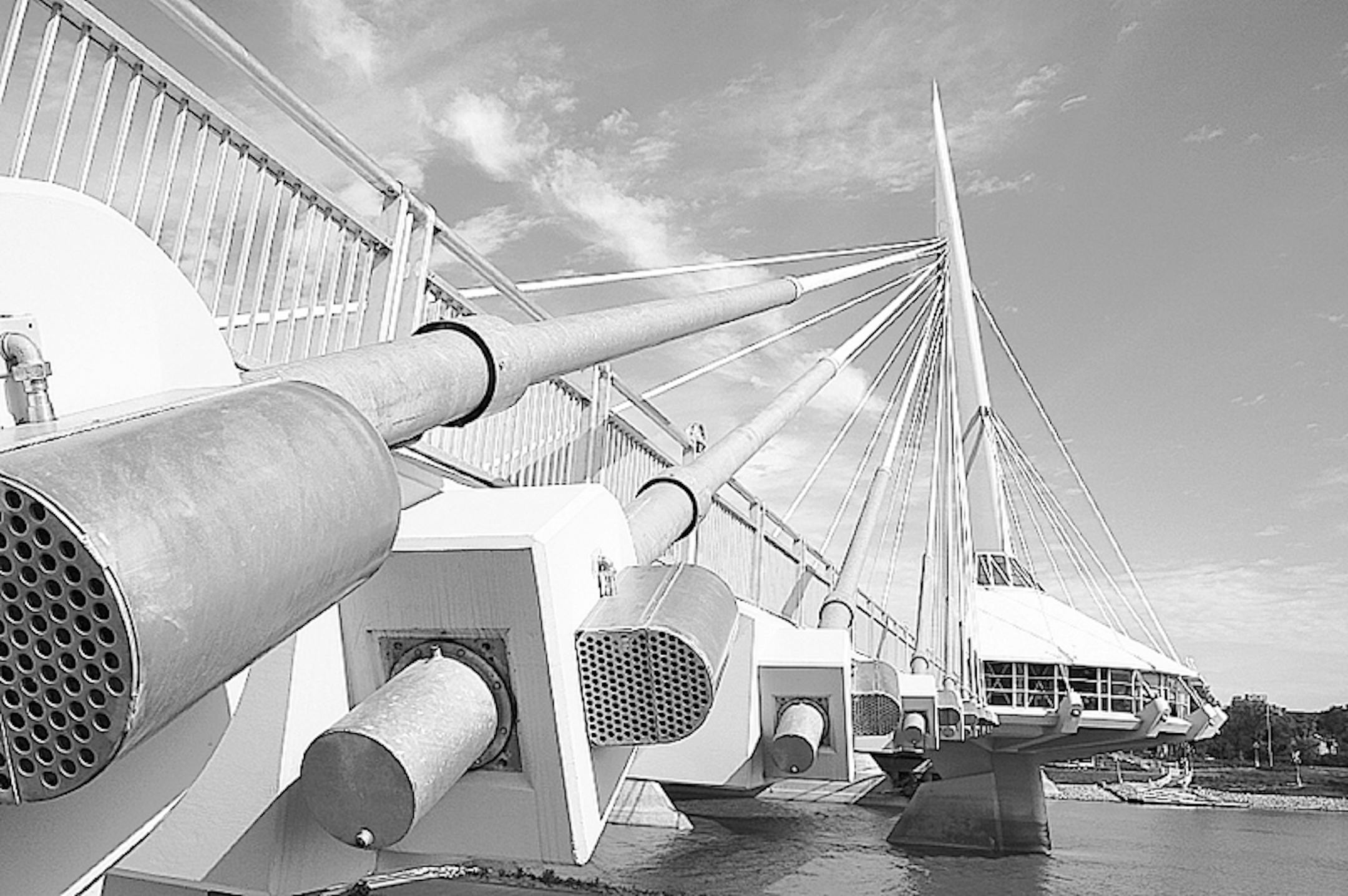
Esplanade Riel -A walkway that connects the historically French suburb of St. Boniface with the English downtown area, the Esplanade was completed in 2003 and named for Louis Riel, who led the unsuccessful Métis rebellion and was hanged by the British as a traitor in 1885.
The Forks - The place where the Assiniboine River flows into the Red was a rail yard in the 1890s. A century later, the waterfront was turned into a space for shopping, outdoor activities and entertainment. The Red River famously flows from south to north here. You will cross it on I-94 between Moorhead and the I-29 interchange in Fargo. Be sure to take a look at it there, the better to be amazed by its breadth and grandeur 250 miles downstream.
The Golden Boy - A gift from France, the 17-foot tall sculpture sits atop the dome of the Manitoba Legislative Building. He was removed and regilded in 2002.


