

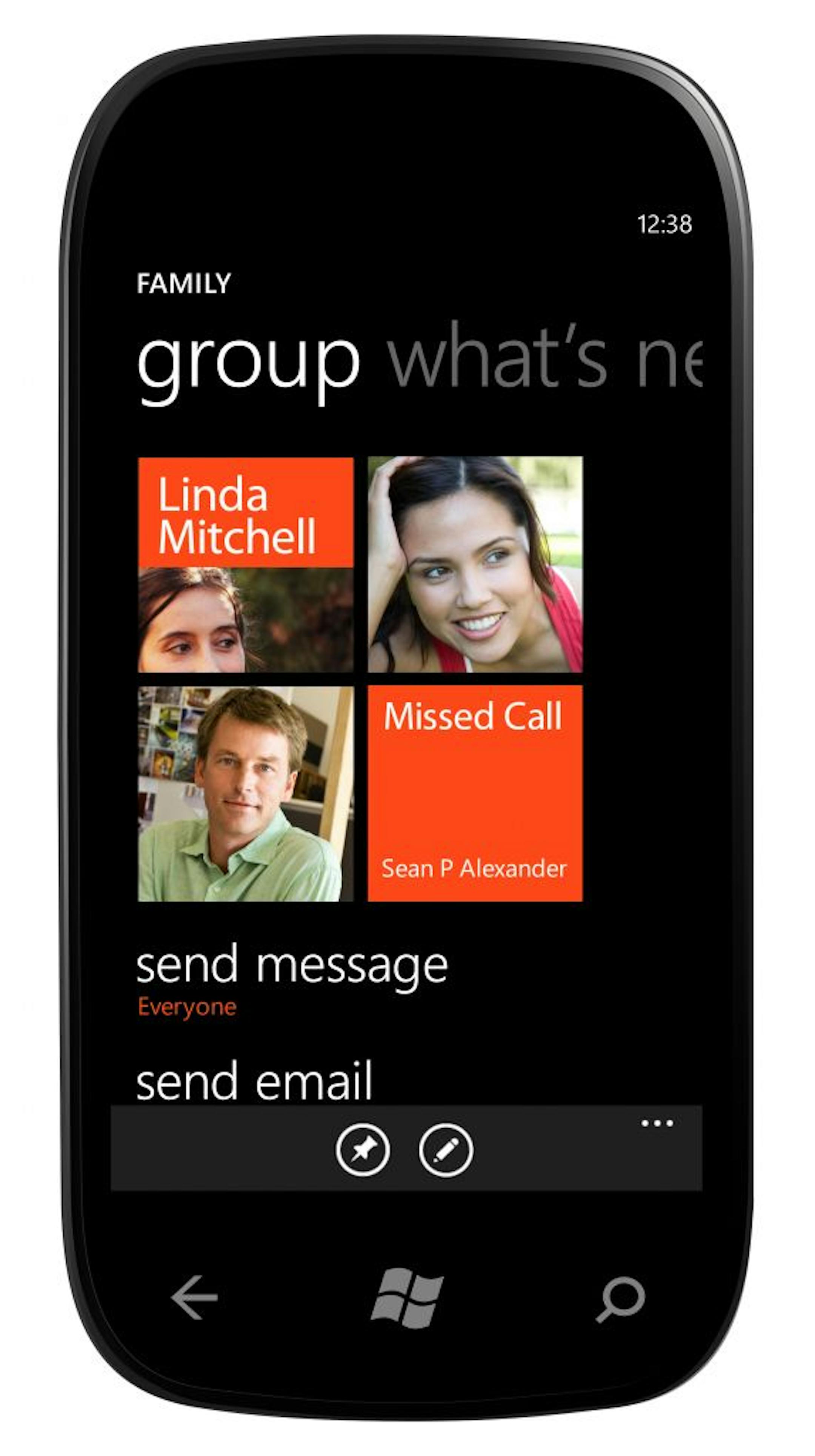
There are many smartphone users who are not giving Microsoft's Windows Phone the look it deserves.
Together, Android and iOS hog more than 80 percent of the U.S. market share. Android's large chunk of the market is split among a horde of devices from several makers, while Apple has relatively few.
Then there is Microsoft.
If anyone can wedge into the current smartphone landscape it would be team Redmond. Microsoft recently pushed out its Mango update, otherwise known as Windows Phone 7.5, bringing a substantial refresh to the platform.
But with just 2 percent of the U.S. market, does a new Windows Phone device make sense?
Let go of your expectations, because the innovation in Windows Phone 7.5 seems to surprise a lot people -- some who are harsh Microsoft critics. It is refreshingly organic compared with the rigid, icon-based and app-centric interfaces of Android and iOS.
Rather than building upon pages packed with icons or folders of apps, Mango is designed around a user's interests, which are divided into hubs: People, Pictures, Music and Video, Office and others. These hubs connect and centralize aspects of our digital lives in a way that Android and iOS have largely ignored -- even with Siri.
The People hub integrates Facebook, Twitter, LinkedIn and Windows Live in a way that makes apps seem almost obsolete. From a contact, you can post on a wall, send an e-mail, see recent updates, check out tagged photos or view albums. A helpful history or roundup of communication is there, too. All of that is within that contact. No folder drilling, page swiping or app hunting required.


