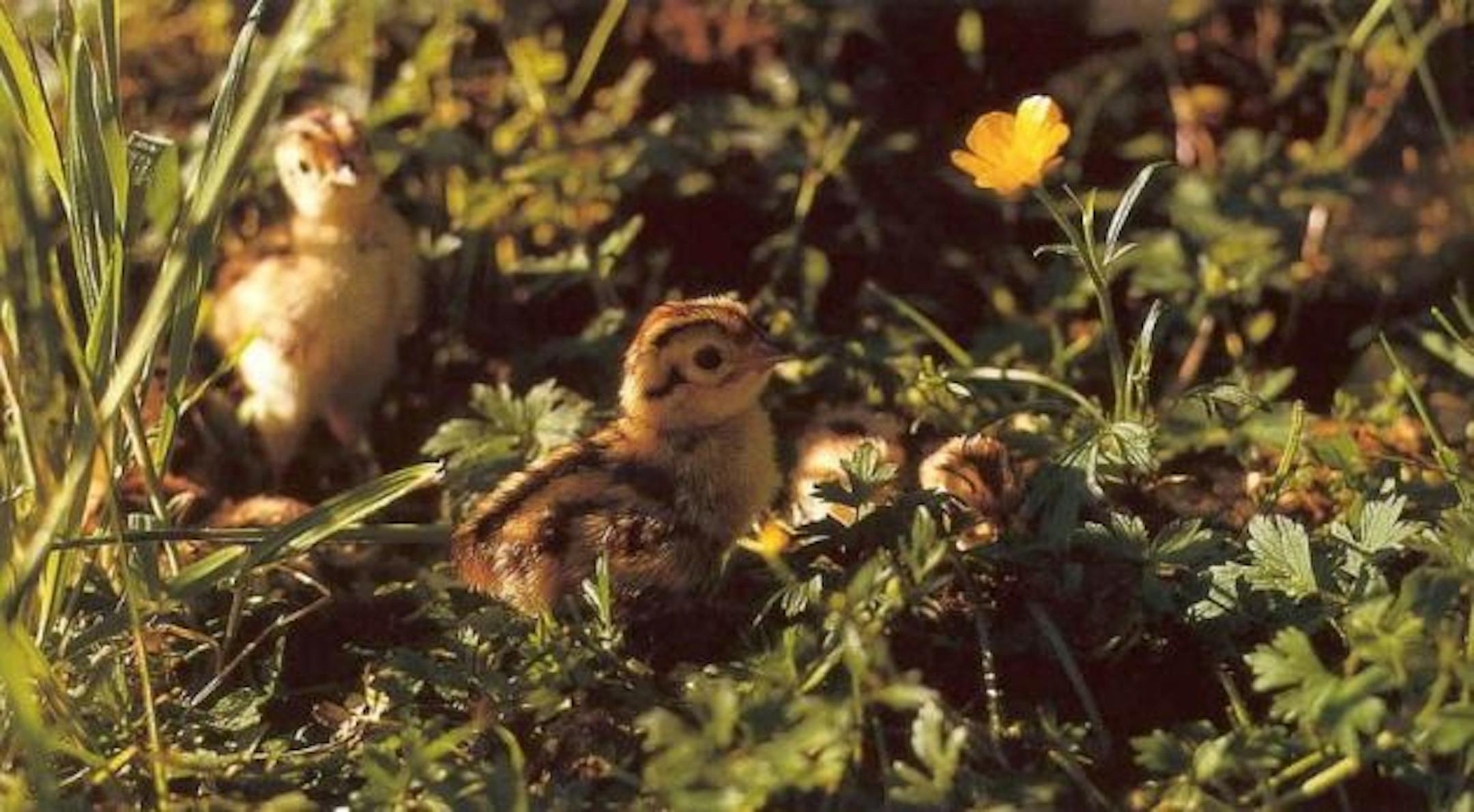
I woke up this morning with one question in my mind: Will the early arrival of spring produce more pheasants? To help me answer this question, I reached out to Pheasants Forever biologists Aaron Kuehl from Illinois and Jim Wooley from Iowa. While the guys made it clear there is no simple answer to my question, they did provide a number of reasons for optimism.
Healthy Hens
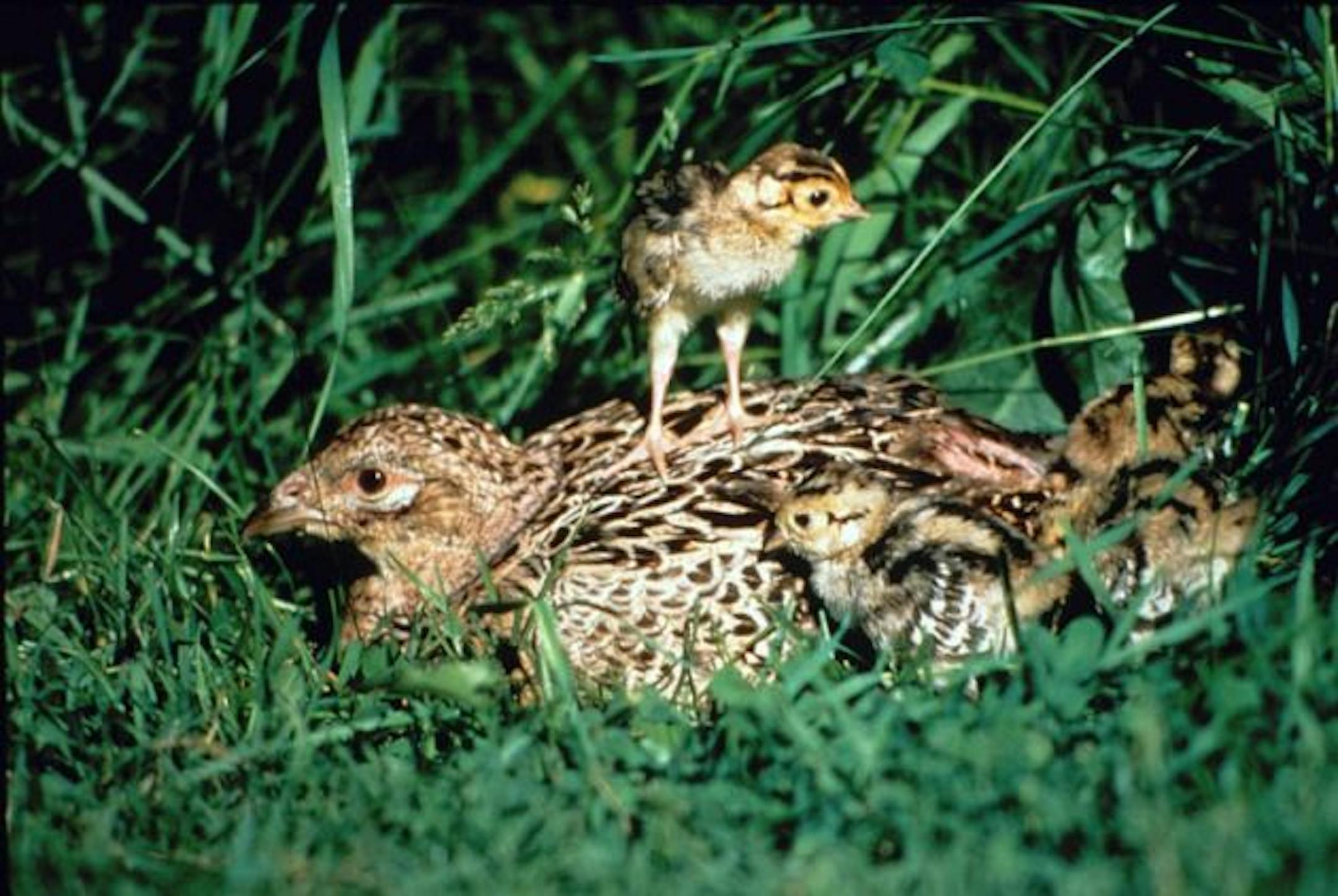
The recent mild winter was advantageous for a variety of reasons when it comes to setting the stage for a productive nesting season, but at the top of their list was hen health. Egg laying, nesting, re-nesting and brood-rearing are very taxing on hens. Consequently, a mild winter allows hens to begin the spring reproduction season in top shape with the ability to produce the maximum number of eggs per clutch (the average clutch size of eggs is 12). The math is simple; more eggs equal more chances for chicks, which provide better odds of adding more adult birds to the autumn population.
If a hen loses her nest due to cold weather, predation, haying, flooding, or some other disturbance, she will attempt to re-nest up to two more times. Each subsequent re-nesting attempt leads to a drop in the average number of eggs a hen will lay. A second effort will average eight eggs in a clutch, while a third re-nesting generally produces four to six eggs. As a result, the healthier the hens are coming out of the winter, the better the chances for nest success during these re-nesting efforts as well.
Nesting Season
Let's start with the basics of establishing a hen's spring calendar:
Average Nest Initiation Date: May 1 (beginning as early as March 15 running through July 15)
Average Incubation Start: May 24 (beginning as early as April 1 running through August 1)
Average Hatch: June 15 (beginning as early as April 15 running through August 15)
So, if a hen begins laying eggs in a nest on May 12th, then incubation will start on May 24th if that hen stops egg production after the 12th egg drops. Then on June 15th, after 23 days of incubation without any complications, the chicks will hatch.