

Saying he was offering a "sensible response to a serious problem," President Bush on Thursday outlined a plan that his administration said could help as many as 1.2 million subprime mortgage borrowers stay in their homes.
The plan is centered on an agreement hammered out with major lenders that allows borrowers to keep the low "teaser" rates on their adjustable-rate loans for five years rather than allowing them to reset soon at higher rates. By freezing rates, the borrowers and lenders would buy time to find permanent solutions to a problem that is causing a flood of foreclosures that some fear could throw the nation's economy into recession.
However, critics said the plan may only delay the inevitable for some borrowers, and that the actual number of people helped may not top 250,000.
Treasury Secretary Henry Paulson, Bush's point man in developing the plan, essentially admitted in his comments that the deal represents a play for time. "What five years does is it gives ... us as a country, a chance to work through this housing cycle," he said.
Anticipating criticism from some that the plan represents unprecedented government interference with mortgage contracts, and from others that it helps too few people, Bush said, "There is no perfect solution."
'Not nearly enough'
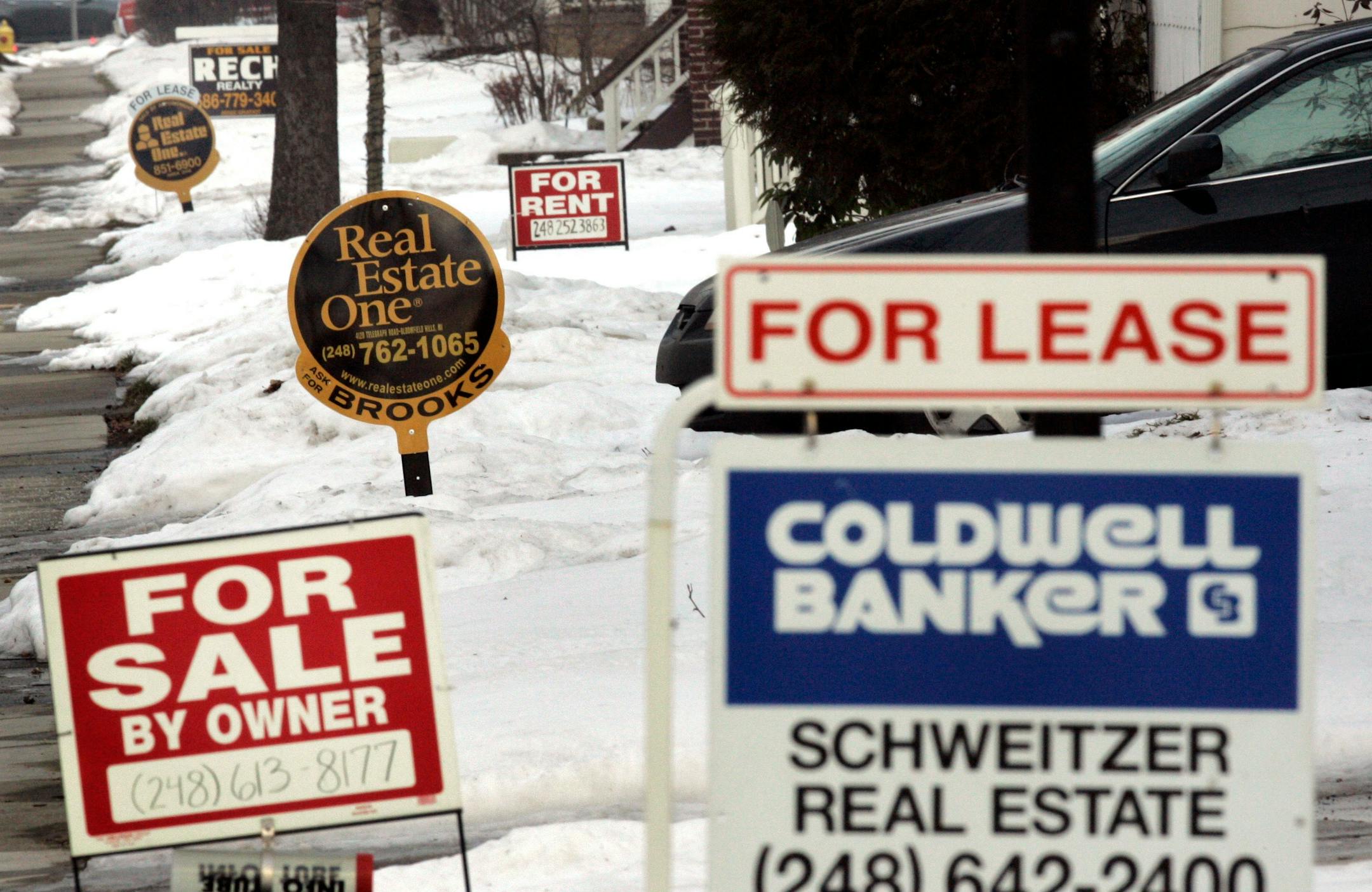
Half a million Americans are believed to be at risk of losing their homes if the $367 billion of mortgages that would normally reset to higher interest rates are allowed to do so over the next two years. The urgency of the problem was emphasized Thursday as the Mortgage Bankers Association reported that a record percentage of mortgages were in the process of being foreclosed in the third quarter, with late payments at their highest level in 21 years.
At Minnesota's ACORN Housing Corp., not a single client among the current 150 would qualify for help under the Bush plan, said Brandon Nessen, ACORN head organizer in St. Paul.


