

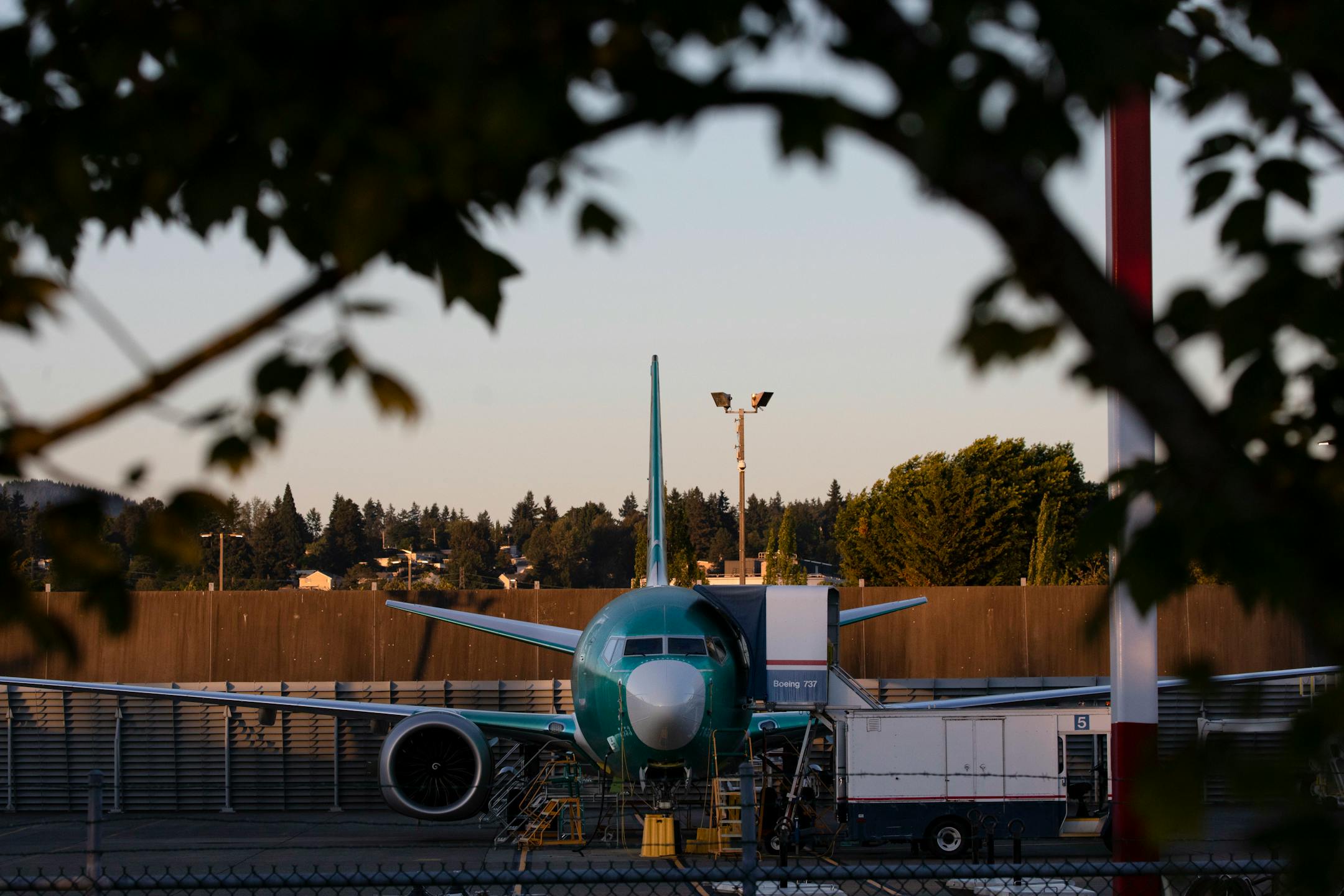
The ungrounding of Boeing's 737 Max is undoubtedly a major milestone for an aircraft with a sordid history — responsible for two crashes that resulted in the deaths of 346 people, which then exposed a deeply troubling relationship between the company and Federal Aviation Administration regulators who were supposed to oversee it.
While it appears that Boeing has met all the criteria laid out by the FAA and other authorities that participated in the review of the Max, now getting people back on the airplane becomes the bigger problem.
The airlines will be implementing all sorts of measures to convince people that the airplane is safe to fly, such as test flights with executives, waiving change fees or even eliminating the Max branding. They have learned from the aftermath of other aviation disasters that aggressive communication that is open, honest, and discusses their problems and solutions goes a long way toward rebuilding confidence.
But the airlines cannot do this alone, and they are not going to be successful if Boeing and FAA continue to resist providing more transparency on their decisionmaking — which has been requested from groups ranging from pilots' unions, lawmakers and the family members of those who died in the two Max crashes.
In 1979, the FAA grounded the McDonnell Douglas DC-10 after a crash, largely caused by flawed maintenance procedures, led to the deaths of 271 people. Once the ban was lifted after 37 days, the plane was quickly reembraced by carriers and passengers.
Boeing today faces a much steeper uphill climb. First, the plane was grounded for 21 months, and more time only breeds more concern about the safety and viability of the aircraft. But, more important, in 1979 the FAA had the full credibility with the U.S. traveling public and foreign regulatory authorities. Today, its image is tarnished and it is no longer considered the gold standard. The House Transportation Committee delivered a blunt assessment: "Boeing failed in its design and development of the Max, and the FAA failed in its oversight of Boeing and its certification of the aircraft."
Ultimately, the traveling public will not just willingly accept what the FAA says; one report from last year found that 40% of regular flyers would be unwilling to fly on the Max. This leaves it to Boeing to do what airlines have done for years after their accidents — work with key stakeholders such as outside experts and the families of victims — to show an extreme level of transparency about the changes it made to the Max, and the supporting data behind them, to regain travelers' trust. This can be accomplished in several ways.
First, Boeing should release data regarding the changes made to the airplane that support its safety. This does not mean releasing information such as software code or other proprietary information. What would be useful is simulator and flight test data to demonstrate how the "new" Max operates in certain scenarios, and pilot reaction times during such situations. The Southwest Airlines Pilots Association recently submitted comments to the FAA calling the Max's new emergency checklists "clunky at best," which does not inspire confidence in the safety of the redesigned plane.


