The lengths that Minnesota land and wildlife managers go to understand, protect and manage the state’s resources can at times appear like a horizon without end.
In that context and in advance of a new year, the Star Tribune asked specialists at the Department of Natural Resources, federal agencies and the state’s tribal communities to tell us about their varied, challenging work. What’s a specific priority in 2024? What might they want the public to know?
Below are some of their responses:
Healthy wild rice has a shot in Aitkin County
Ann Geisen, wildlife lake specialist, Department of Natural Resources (DNR)
Minnesota has more acres of natural wild rice than any other state in the country. Yet, a 270-acre shallow lake in Aitkin County that went fallow more than 20 years ago was worth saving. If a multiyear, $60,000 restoration project continues to go right, a healthy crop of wild rice plants will push above the surface in Swamp Lake by midsummer.
Located about 7 miles north of Malmo, Swamp was one of 13 lakes in Minnesota in the 1930s and 1940s where the federal government purchased land to preserve tribal rice camps. Since then, the Mille Lacs Band of Ojibwe purchased additional lakeside property. Another area around the lake is owned by the state and managed for waterfowl and other wildlife.
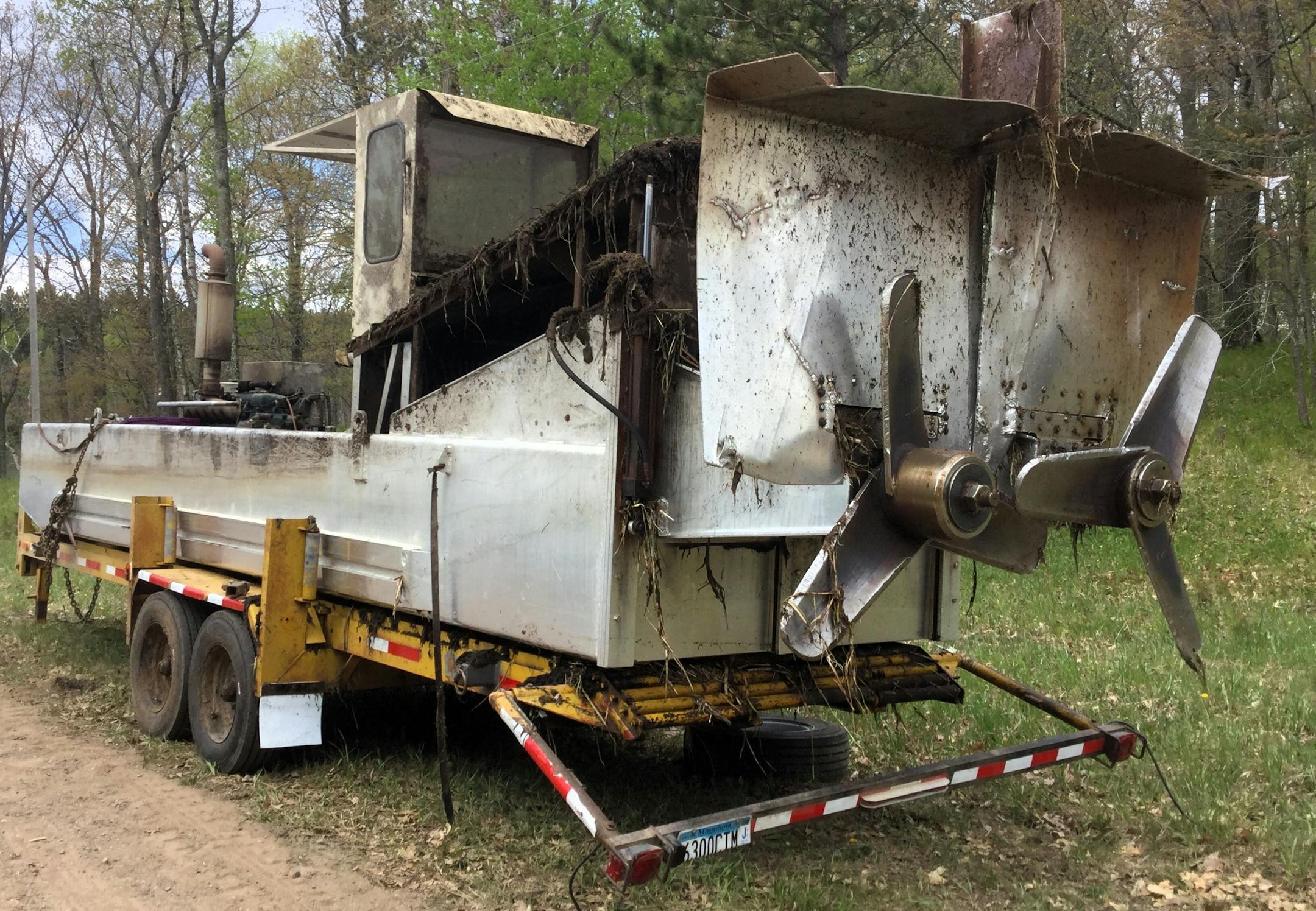
Before this century, Swamp Lake produced rice from shore to shore. That changed in the late 1980s and early 1990s when vegetation and beaver dams clogged the lake’s 6-mile-long outlet channel, raising the water level too high for rice to grow. The stagnation lingered until 2021 when the DNR hired a heavy equipment contractor to cut through the outlet bog. In the process, 35 beaver dams were removed. The work restored flow to a downstream waterfowl impoundment and dramatically lowered Swamp’s water level.
Excessive rainfall in 2022 delayed progress, but the DNR and the Mille Lacs band last year applied 3,000 pounds of wild rice seed to the basin. If conditions don’t change, the rice should emerge in July. I’m hoping for more rice plants than I can count. Even if the crop is strong, the DNR might delay harvest for at least one more season to foster additional seeding.