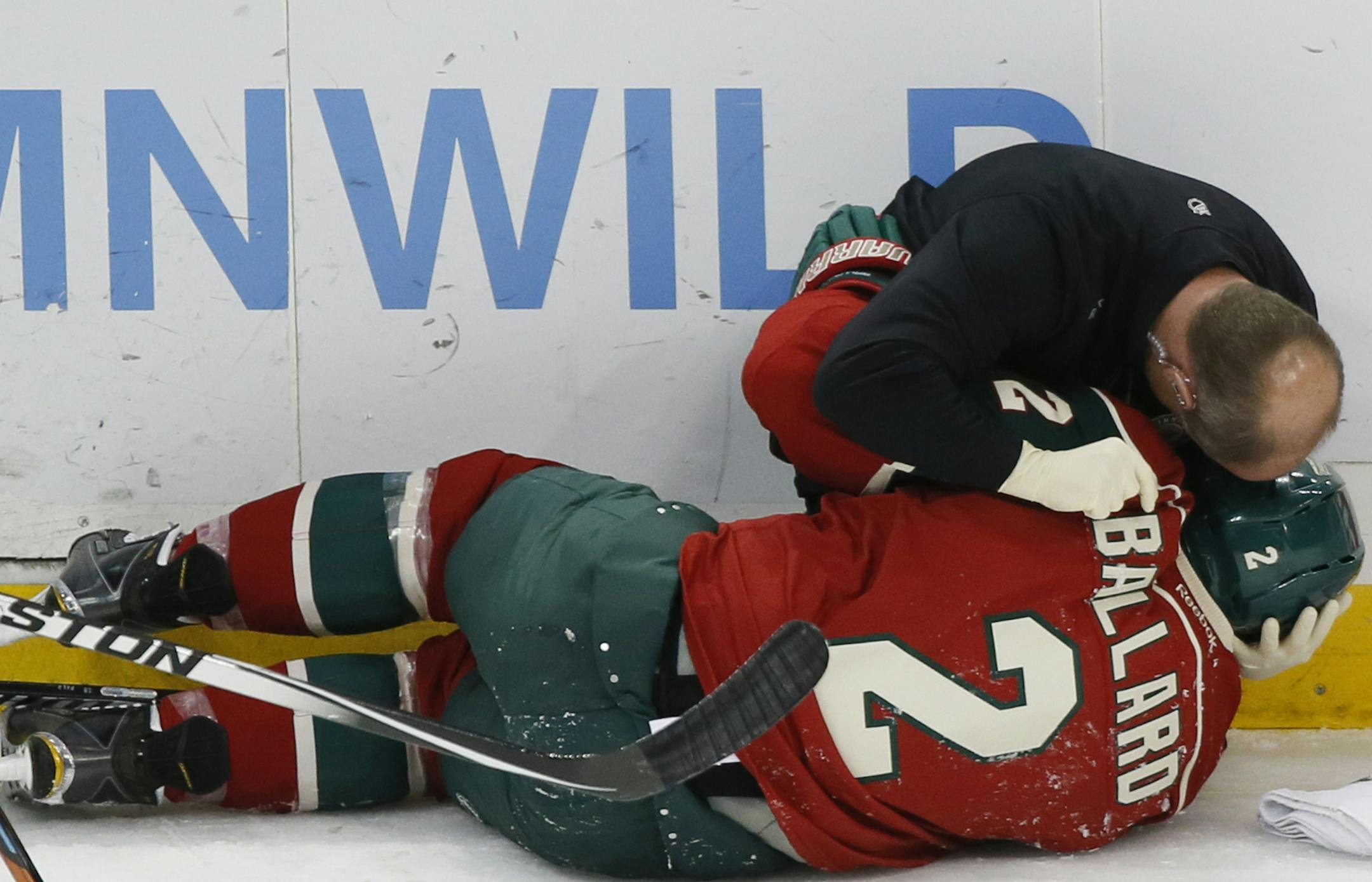
CHICAGO – The second Don Fuller's fist went into the air, the Wild's emergency action plan was initiated.
The response by two athletic trainers, a half-dozen doctors and a team of paramedics to defenseman Keith Ballard's frightening medical situation last Tuesday was quick and impressive, but something like that doesn't occur by accident.
This is the type of situation the Wild practices before the season and throughout, and the fact that Ballard was stabilized and transported to Regions Hospital minutes after convulsing on the ice reaffirmed to the Wild's medical team that practice does make perfect.
"It went exactly the way we had practiced it, and I was real happy with our response and real happy with how everything and everybody just fell into place," said Fuller, the Wild's head athletic therapist since the franchise's inception. "You have to expect the unexpected and prepare for anything, and then react to the situation as everybody did.
"We did what was needed. We got the player off safely and effectively and transported to the hospital quickly."
In September before every hockey season, Fuller and athletic trainer John Worley get all eight of the Wild's doctors together, along with emergency medical technicians and emergency trauma doctors who work each Wild game. They spend an afternoon running through various emergency scenarios so everybody knows his role and place. The scenarios include heart attack, traumatic bleeding, spinal boarding, concussions and several other potential incidents.
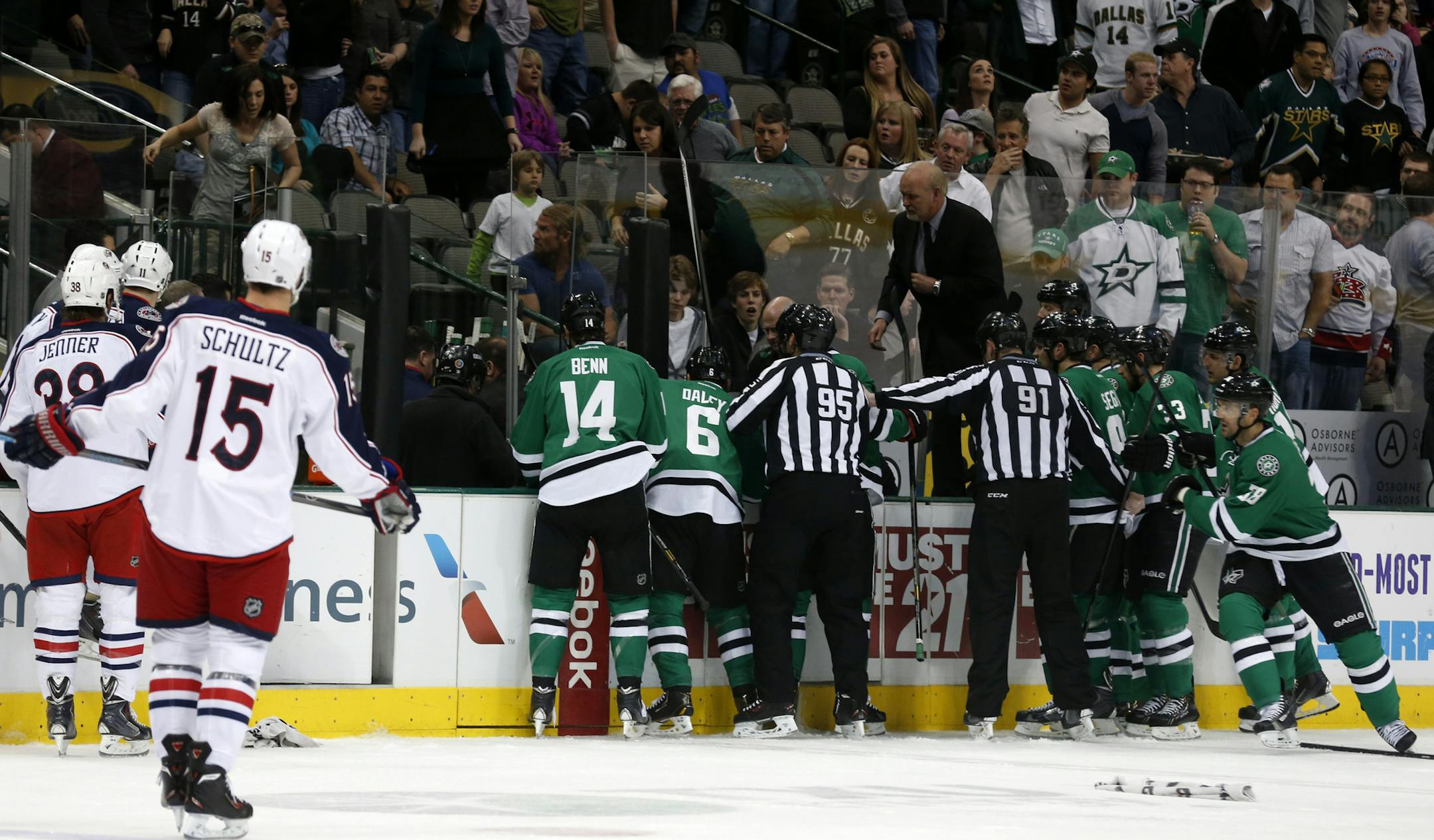
This season, in a change stemming from March's incident in Dallas where Stars forward Rich Peverley collapsed on the bench and had to be resuscitated due to a heart condition, the NHL has mandated that each home team also situates a doctor near the bench who is an expert in Advanced Trauma and Advanced Cardiac Life Support.
In addition, two ambulances must work every NHL game.