4:47
4:47With the Minnesota Wild's season frozen by a lockout, downtown St. Paul is bracing for less heat on the streets and less cash coming in.
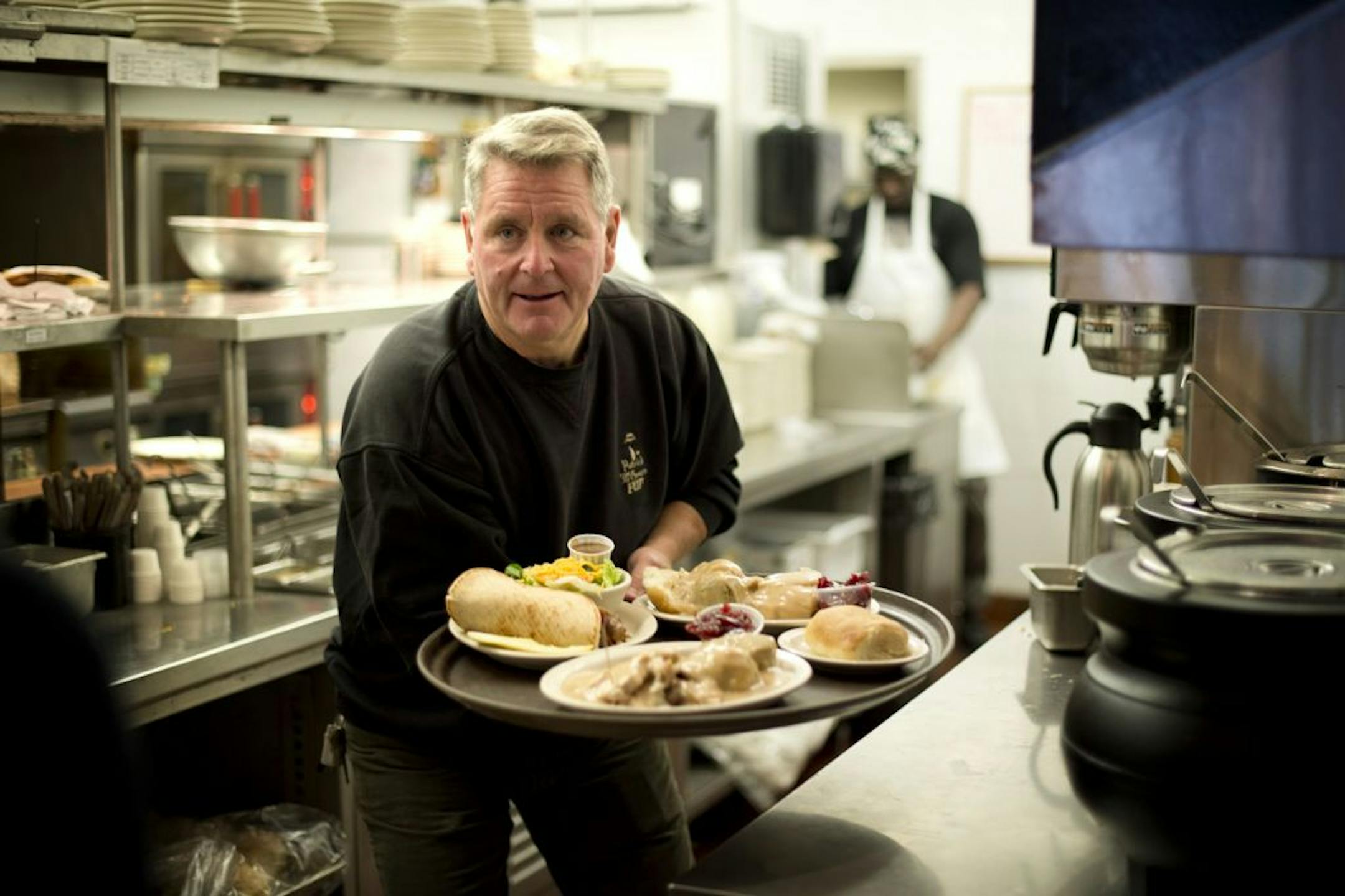
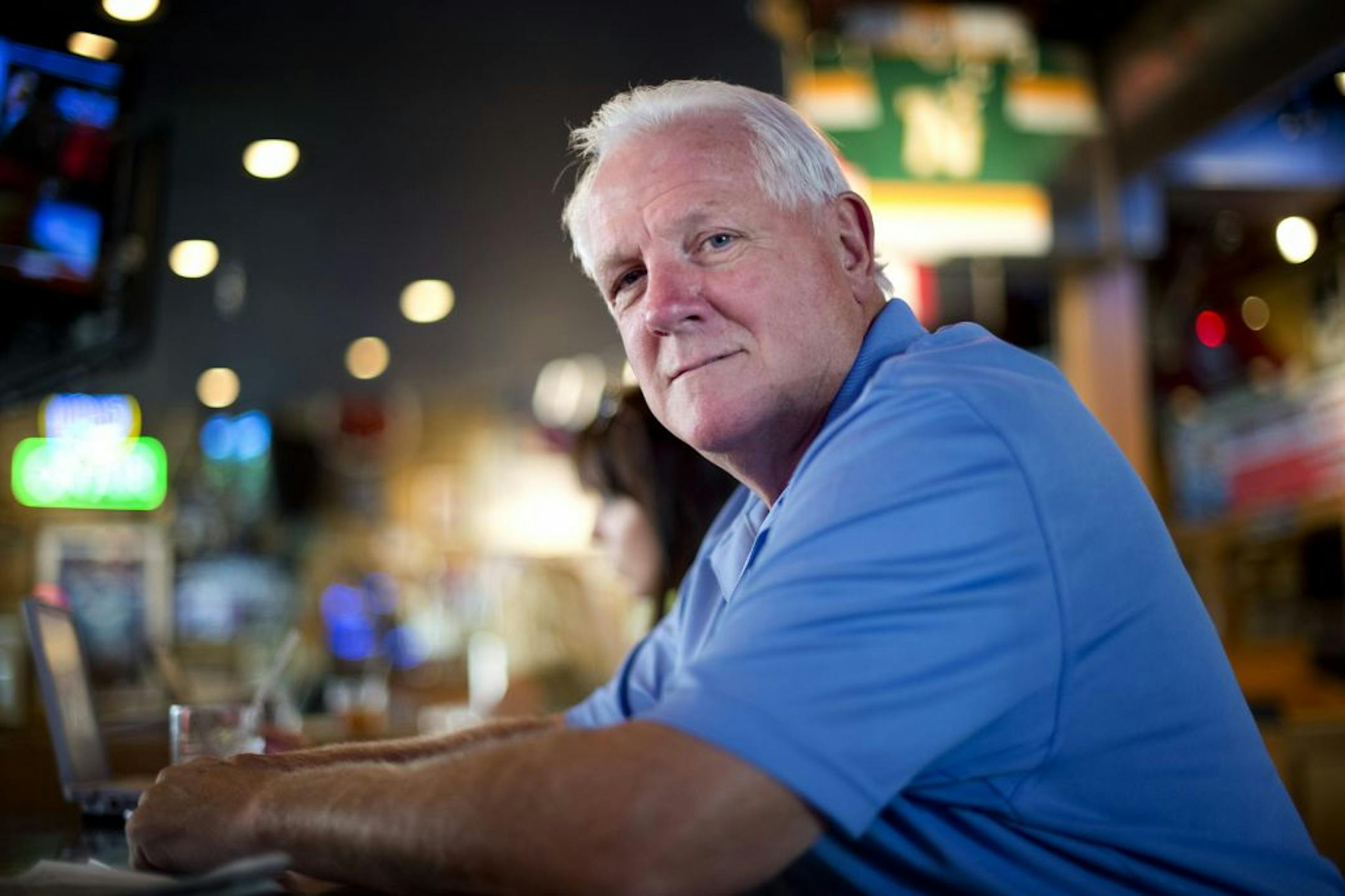
For the 40-plus home games a season, some 18,000 fans electrify the corridors radiating from Xcel Energy Center. Pregame warmups make parking scarce near establishments from the St. Paul Grill on Rice Park to Alary's Bar on East Seventh Street and the Bulldog in Lowertown.
The National Hockey League lockout that began on Saturday, however, threatens to keep Wild fans home, depopulate restaurants and cost the city revenue and swagger.
Matt Kramer, president of the St. Paul Area Chamber of Commerce, said the streets start to buzz about 4 p.m. on game days as fans begin to arrive in their red-and-green regalia. "The feel of the town changes when we don't have hockey," he said. "The NHL brings a cachet."
The players' union and the league are at odds over core issues in their collective bargaining agreement, including an immediate pay cut for players. Training camp was to open next week, with games beginning Oct. 11. The schedule is in jeopardy with further negotiations not scheduled until Wednesday.
In 2004-05, the NHL shuttered the entire season. No one knows the duration of this stoppage, but City Hall is wary. According to the city, revenue from a half-cent citywide sales tax was down in the lost season. The following year, sales-tax revenue went up by $300,000, to $8.7 million. City leaders estimated the economic hit to St. Paul that season at $60 million.
"The Wild are a major economic engine for the city," Mayor Chris Coleman's spokesman, Joe Campbell, said. "Another lost season would be a huge blow to businesses and across the city. The mayor obviously remains concerned and is watching intently as these negotiations continue and really urges the players and the owners to reach a solution as quickly as possible."
Xcel Energy Center employs 500-plus ushers, security personnel, concierges, concession workers and others who won't be paid. Businesses that don't directly benefit from hockey, such as clothiers and antique stores, will miss having thousands of extra people in the area during games.