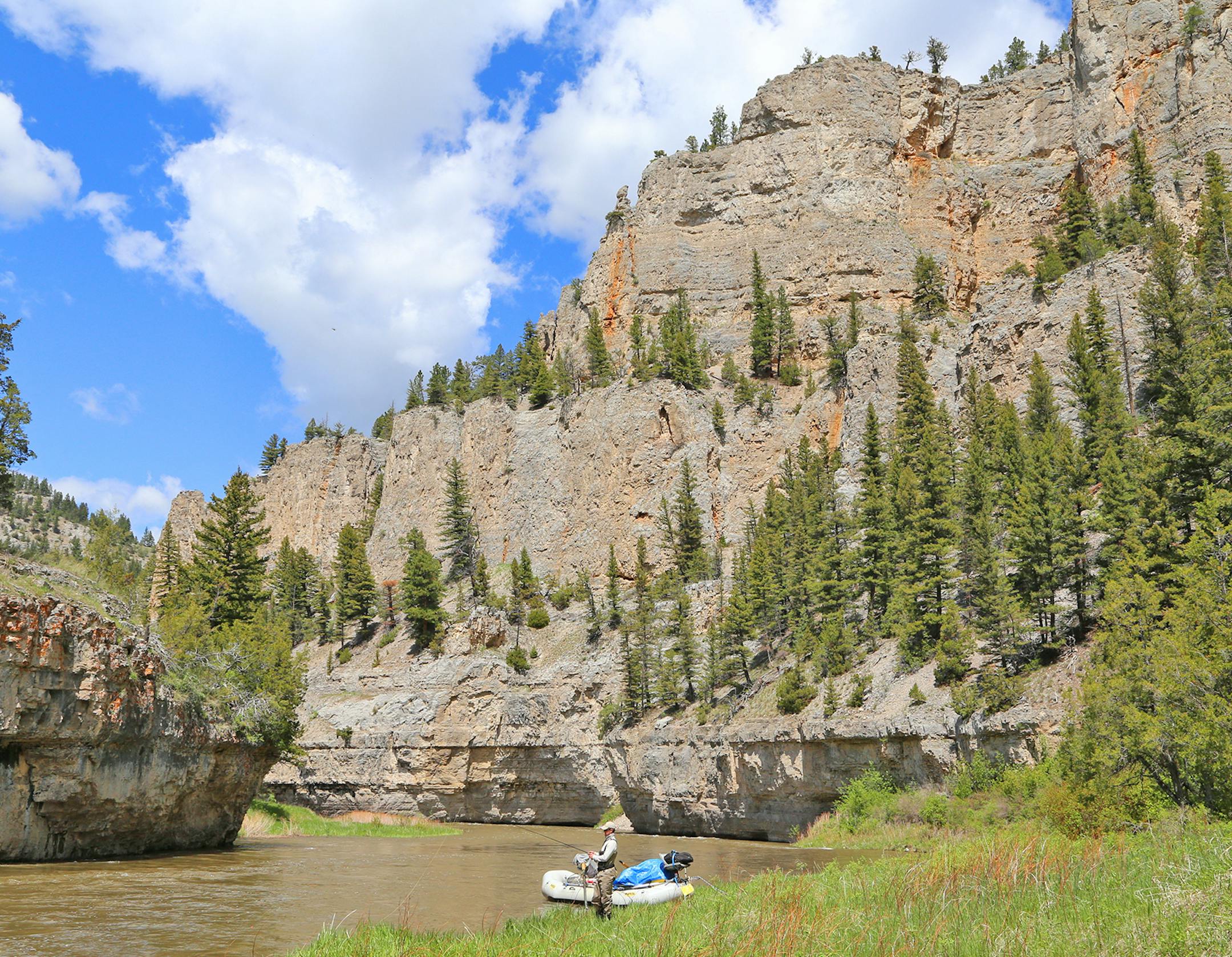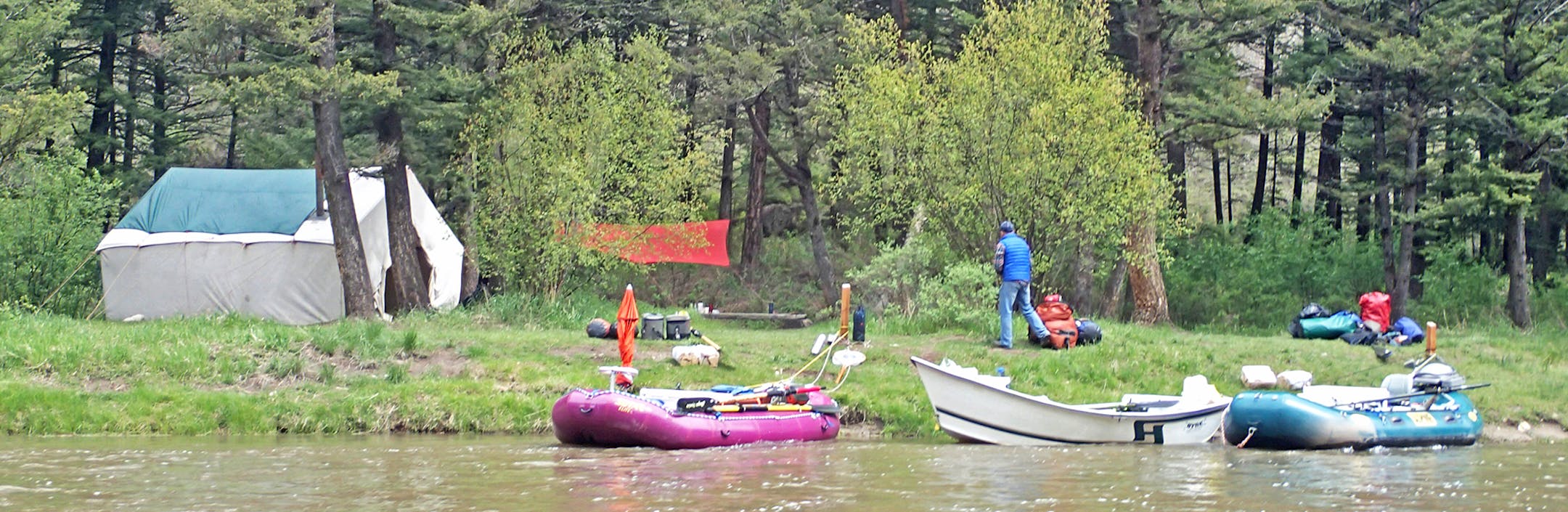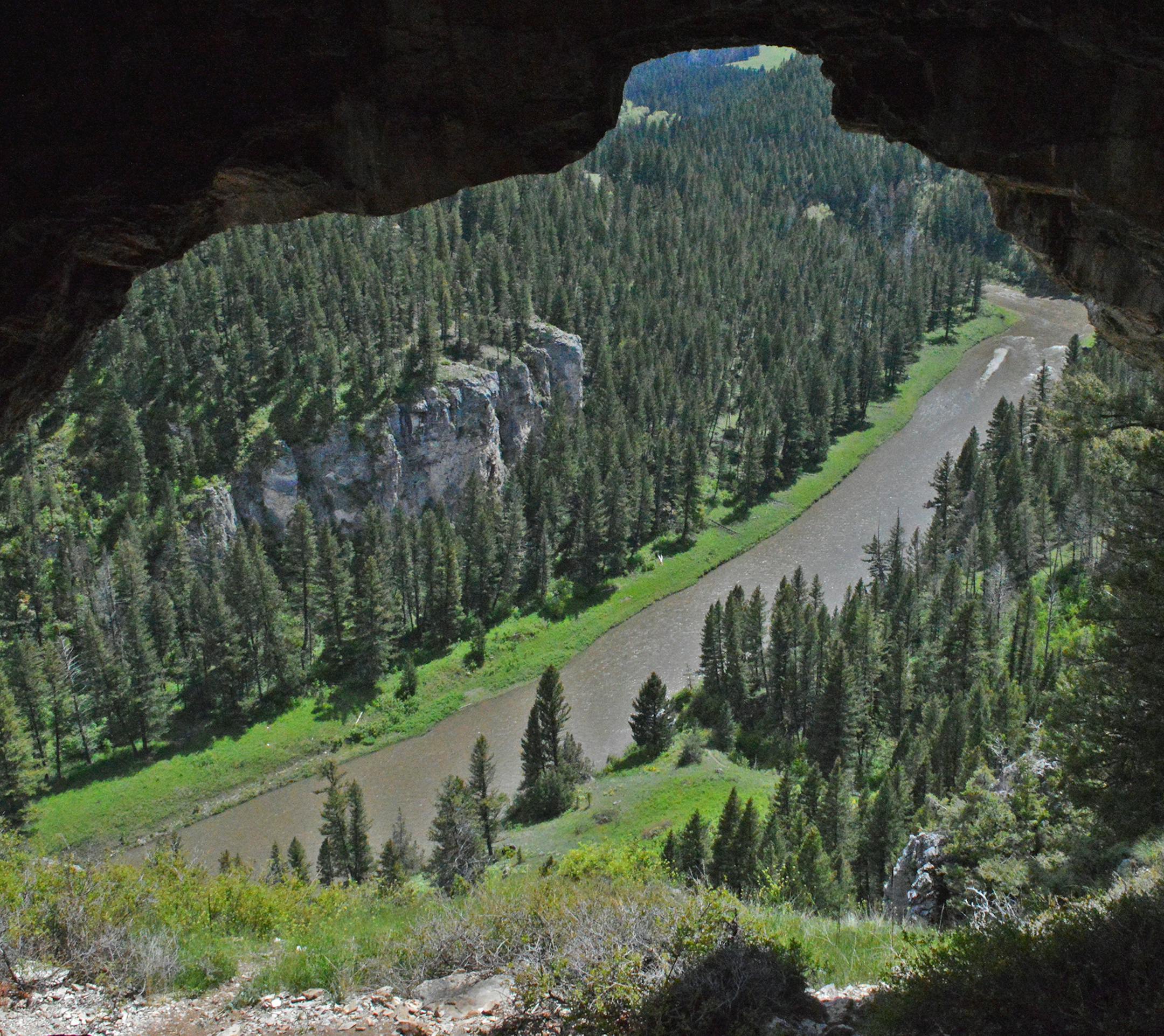
ON MONTANA'S SMITH RIVER – Through the thin fabric of my small tent the sun rising over the steep limestone cliffs awoke me from the night's sleep. A downpour the evening before had forced us into the tent to eat dinner, and rain had fallen intermittently throughout the night. Now only the bend and flow of moving water greeted the morning, the soft chuckle of a river descending.
Of all waterways in North America, very few are regulated by limited entry. The Smith is one of these, and the only one in Montana, a hotbed of beautiful rivers. Last winter, more than 9,000 people from every state and four foreign countries applied for permits to float its nearly 60 miles of managed river way. I was among the lucky 1,800 or so lottery winners.
The Smith's boilerplate attractions are its canyonesque scenery and its brown and rainbow trout. This would be our fifth day on the river, and neither had disappointed. Trevor, my son, an early riser, had emerged from his tent and started a campfire. Soon in the shadows of craggy precipices rising 2,000 feet the fire crackled and roared against the morning chill.
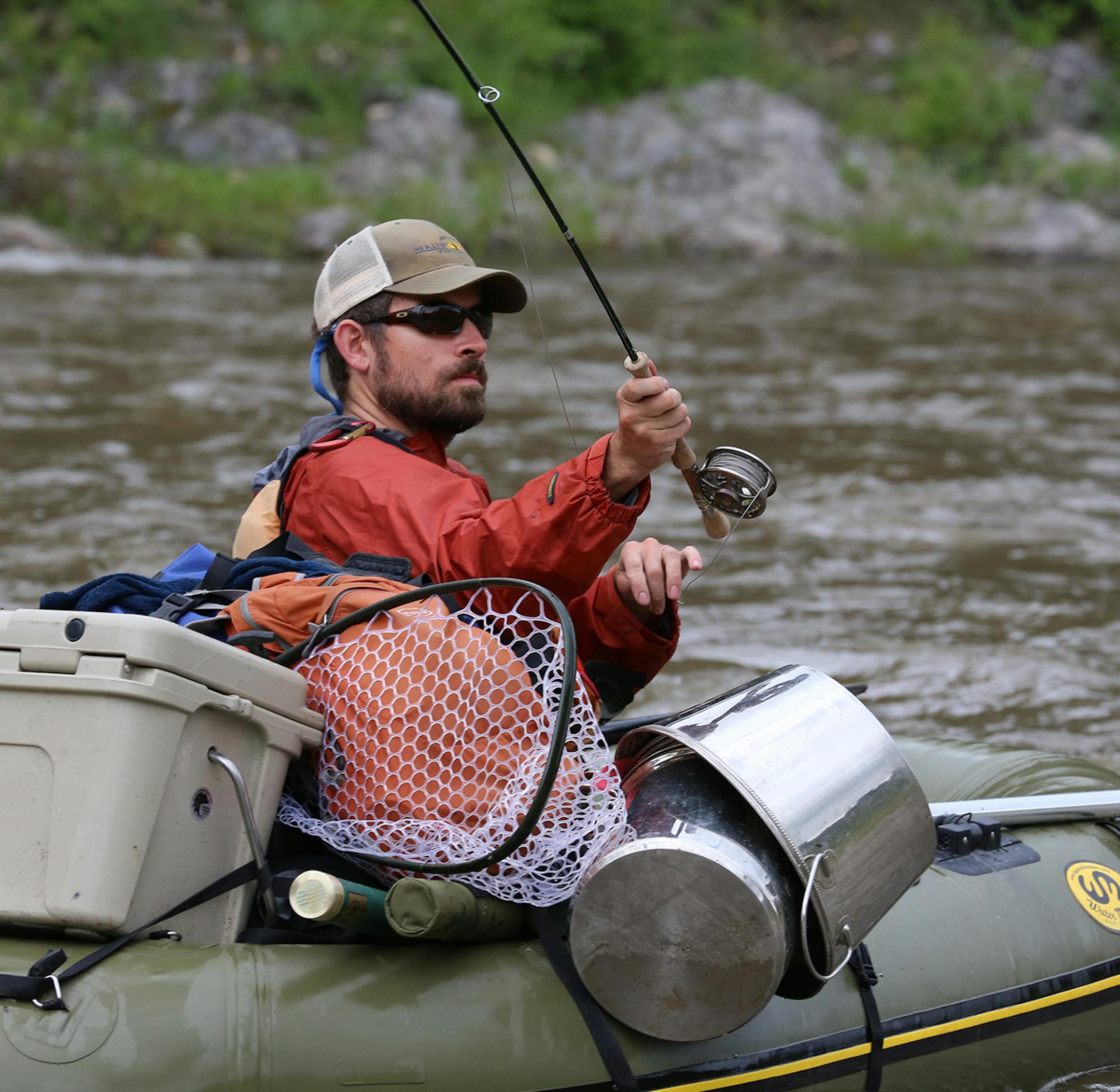
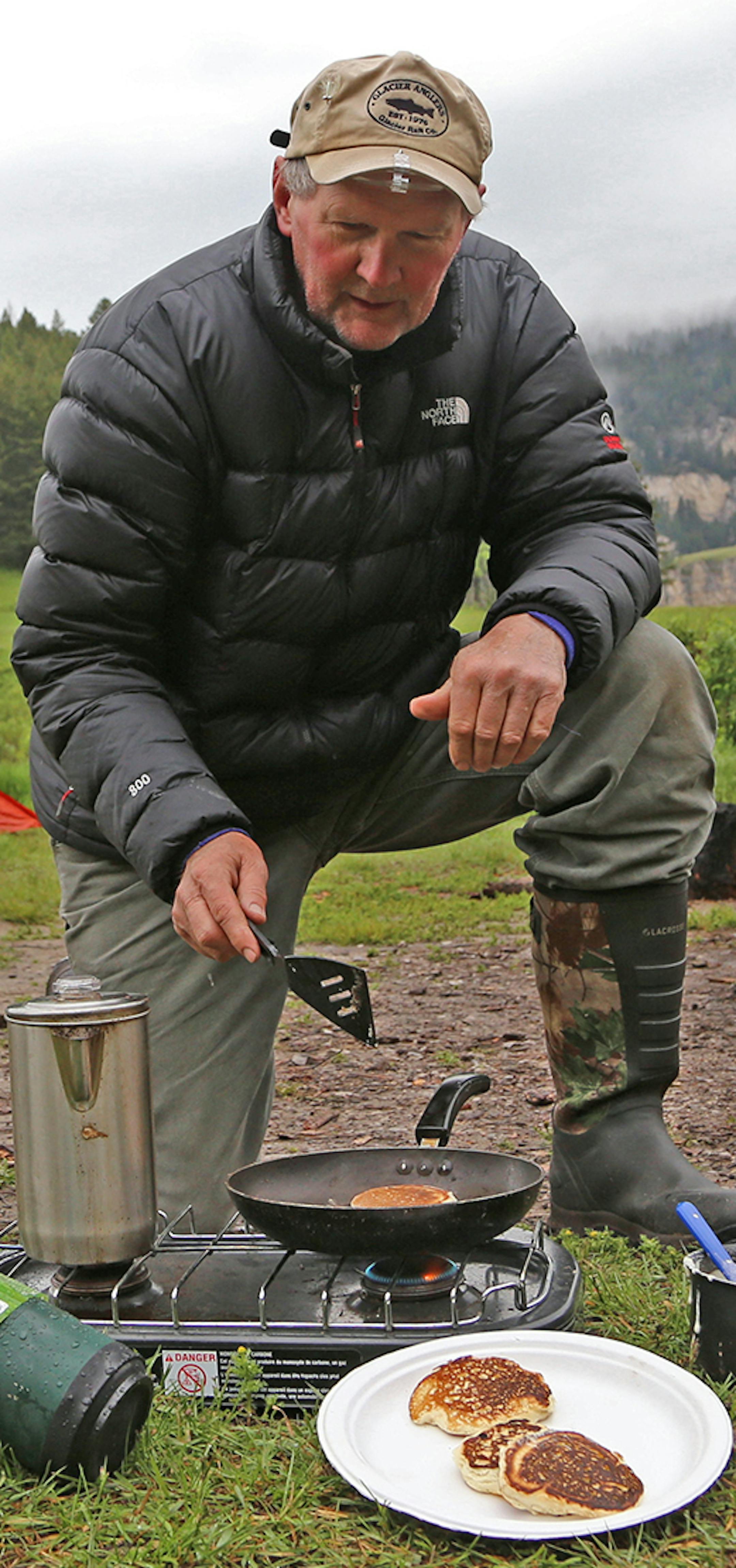
We made coffee, pancakes and sausage. Then we walked the riverbank, casting flies to foamy seams that divided fast water from slow.
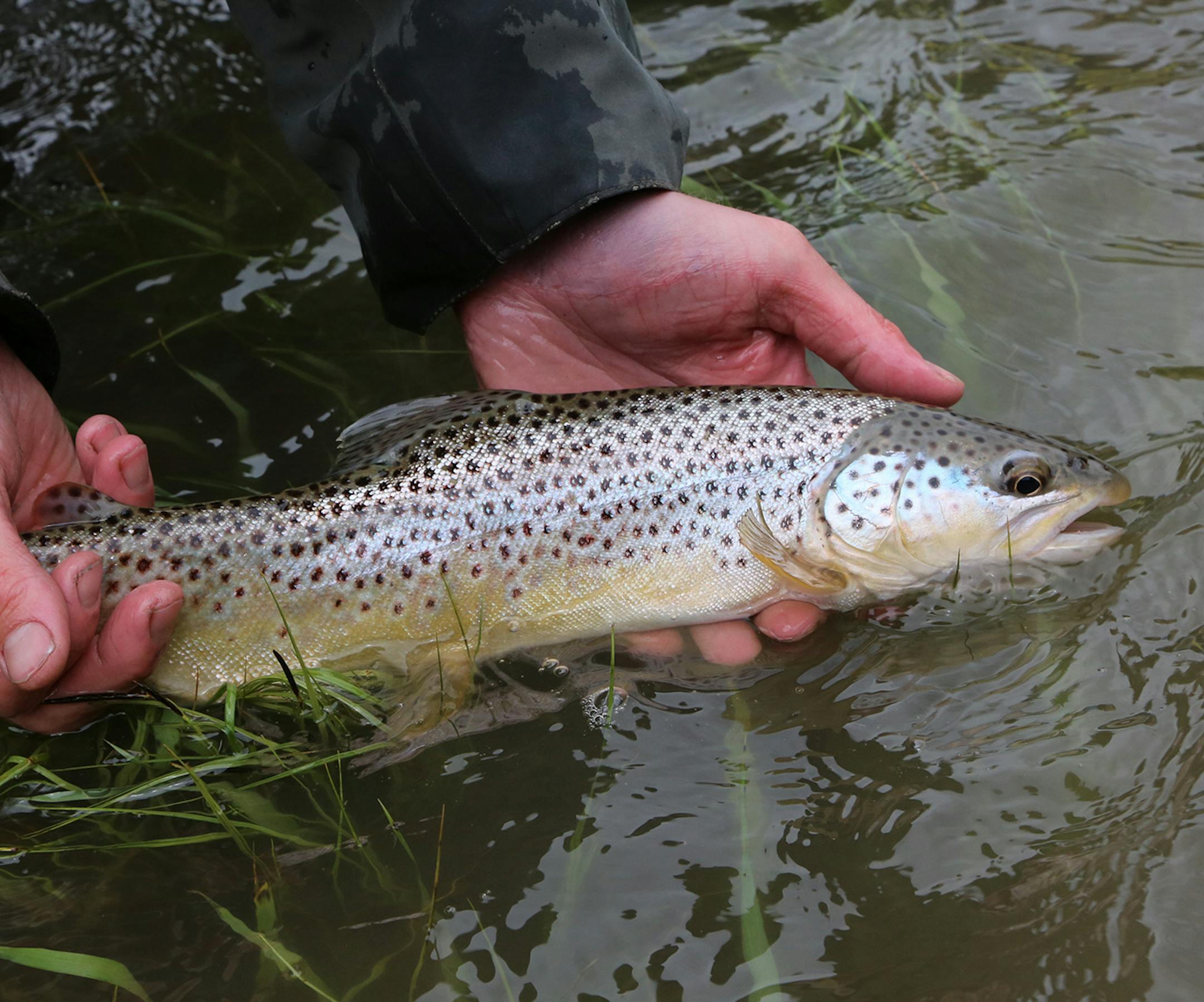
Soon enough, our lines went tight against the pull of good fish.
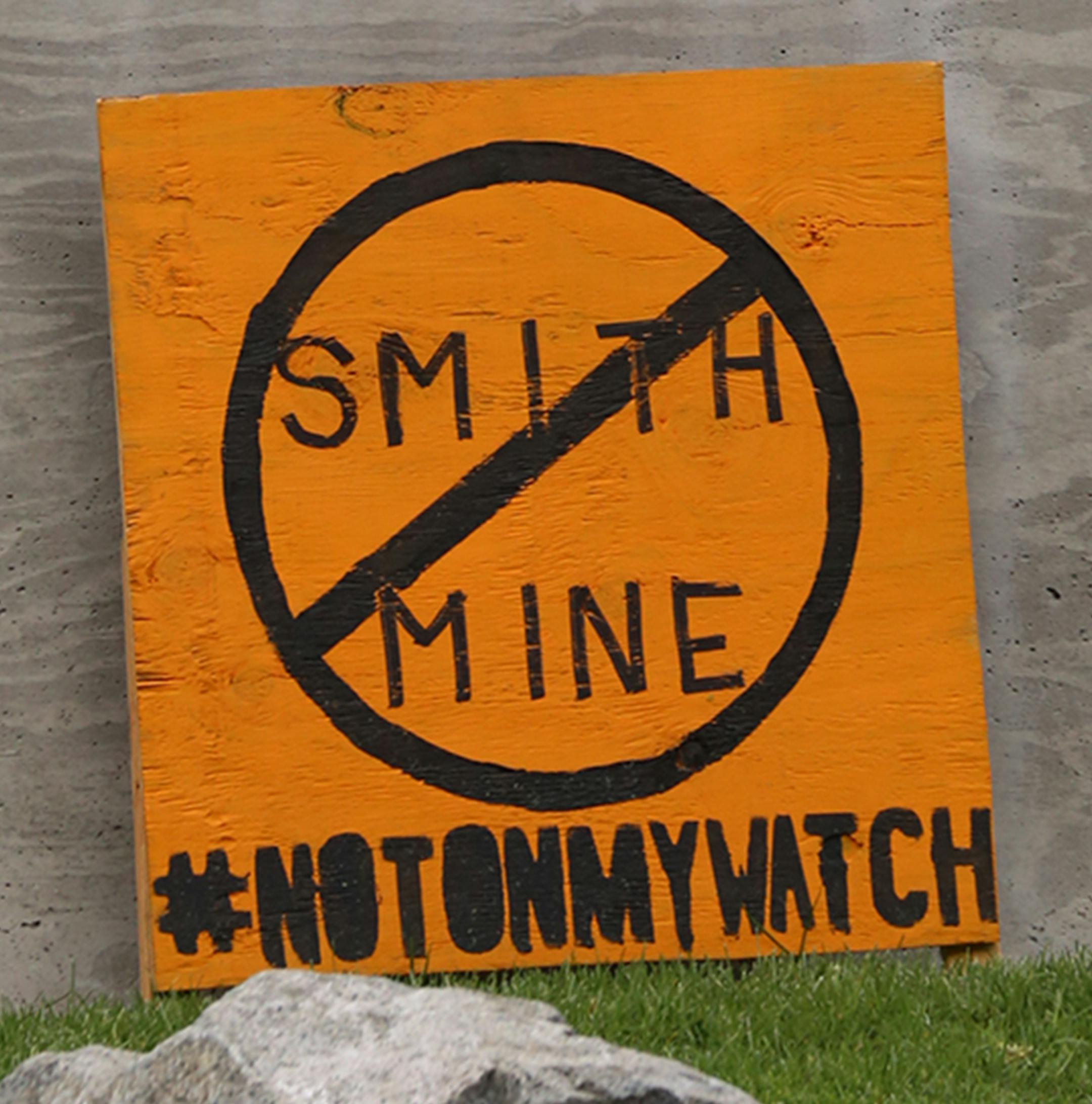
Like the Boundary Waters Canoe Area Wilderness in northern Minnesota, where adjacent copper and nickel mining has been proposed, the Smith River is in the cross hairs of worldwide mineral and metal exploration. Foreign owners of a company called Tintina Resources want to mine copper underground near Sheep Creek, a major tributary to the Smith and an estuary for many of its trout.
A who's-who of anglers, environmentalists and river activists has coalesced in opposition, concerned that Sheep Creek flows could be lowered and that water laced with arsenic and other mining pollution could kill fish in the Smith River and, downstream, the Missouri River.
Again this year, the group American Rivers ranked the Smith among the nation's 10 most threatened rivers.