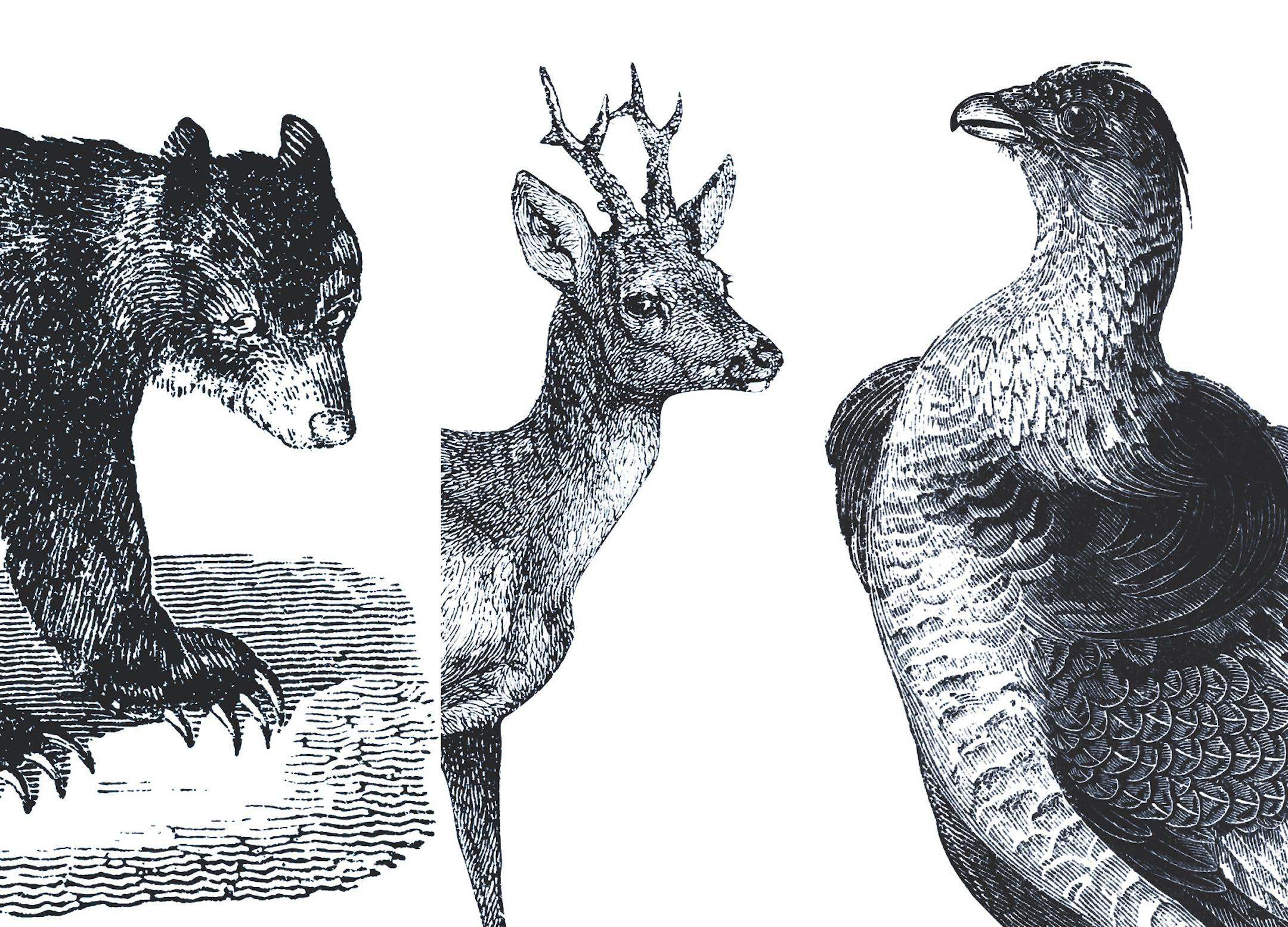
Old Man Winter can be a ruthless, unforgiving teacher for the wildlife of Minnesota. Indeed, the ability of nature's wild critters to adapt, endure and ultimately survive subzero temperatures, deep snow, high winds and even rain is a fascinating case study in self-preservation that plays out across our state. Think beyond the confines of the recent thaw in some parts. Winter has yet to have the last word.
Migratory birds like ducks and some songbirds flee winter's grip for warmer and food-rich southern climes. Amphibians and mammals hibernate. Raccoons and squirrels take refuge in their dens for days at a time.
Some call it the survival of the fittest. Others call it natural selection, evolution at work.
"Winter in Minnesota can be harsh. Some species die. But, in general, wildlife have developed an amazing ability to adapt to their circumstances," said Steve Merchant, wildlife population and regulations manager with the Minnesota Department of Natural Resources. "This winter has been unusual, to say the least. We started out really warm around the deer-hunting season, then it got cold and snowy in some areas, and it rained like crazy on Christmas."
Historically, Merchant said, this winter hasn't been "real severe."
"As we've learned, however, winter can last throughout March and even into April," he said. "We're not out of the woods yet."
Here's a look at how several wildlife species get through the winter.
Ruffed grouse
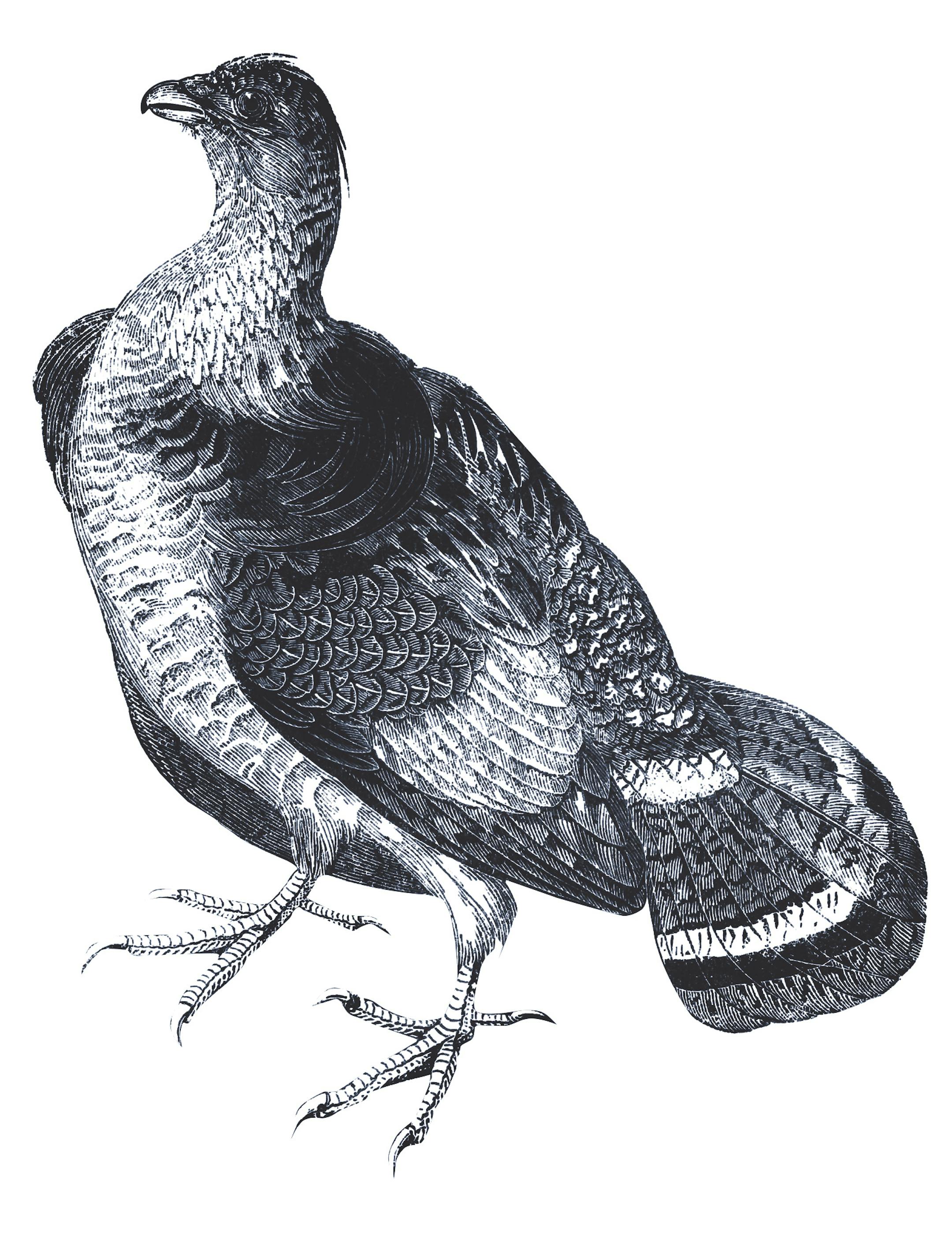
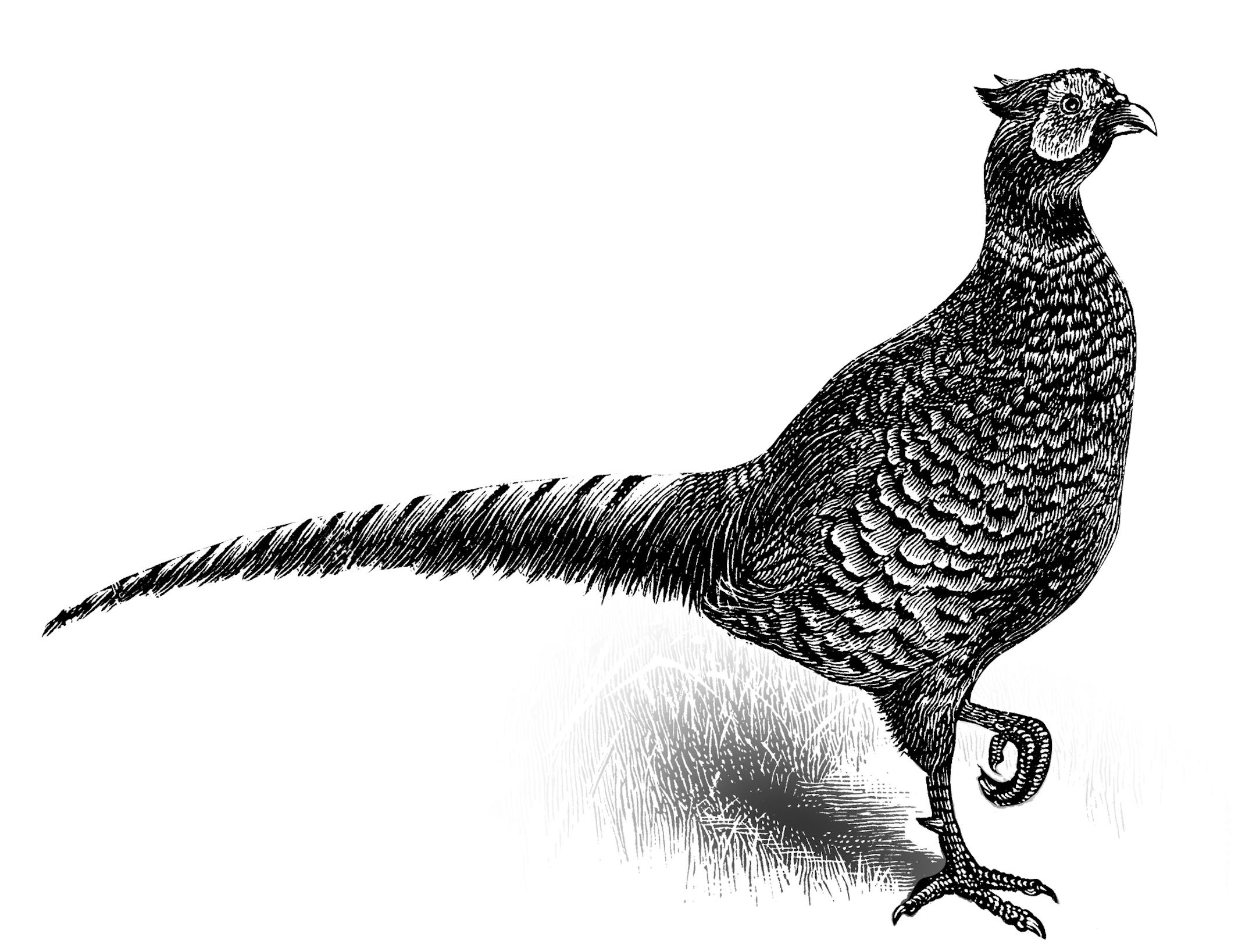
A native forest species, ruffed grouse rely on deep, powdery snow in which to roost and evade predators. "The snow acts like insulation and creates an area that covers them," said Charlotte Roy, DNR grouse research scientist, adding it's considerably warmer inside snow roosts compared to the ambient temperature. "Grouse will literally dive into the snow from trees." Ruffed grouse also grow comb-like membranes on their feet that allow them to travel over deep snow more efficiently. "They provide greater surface area and act like snowshoes," she said.