Wild babies: The young animals of spring

For the Minnesota Star Tribune
May 29, 2014 at 9:35PM

Spring and early summer are seasons of renewal for animals residing in our woods, fields and waters. Wild parents, both furred and feathered, are now actively feeding and caring for their new families, or they will be in coming days.

Whitetail does will soon be nursing growing fawns. In a hollow tree deep in a shadowy oak forest, young gray squirrels are discovering life beyond the confines of their den. Baby wood ducks — yellow and black balls of fuzz — are leaping from nesting cavities. Robins with beaks full of angle worms make repeat visits to their well-built nests (made of grass and mud) in an ongoing attempt to ­satisfy hungry offspring.

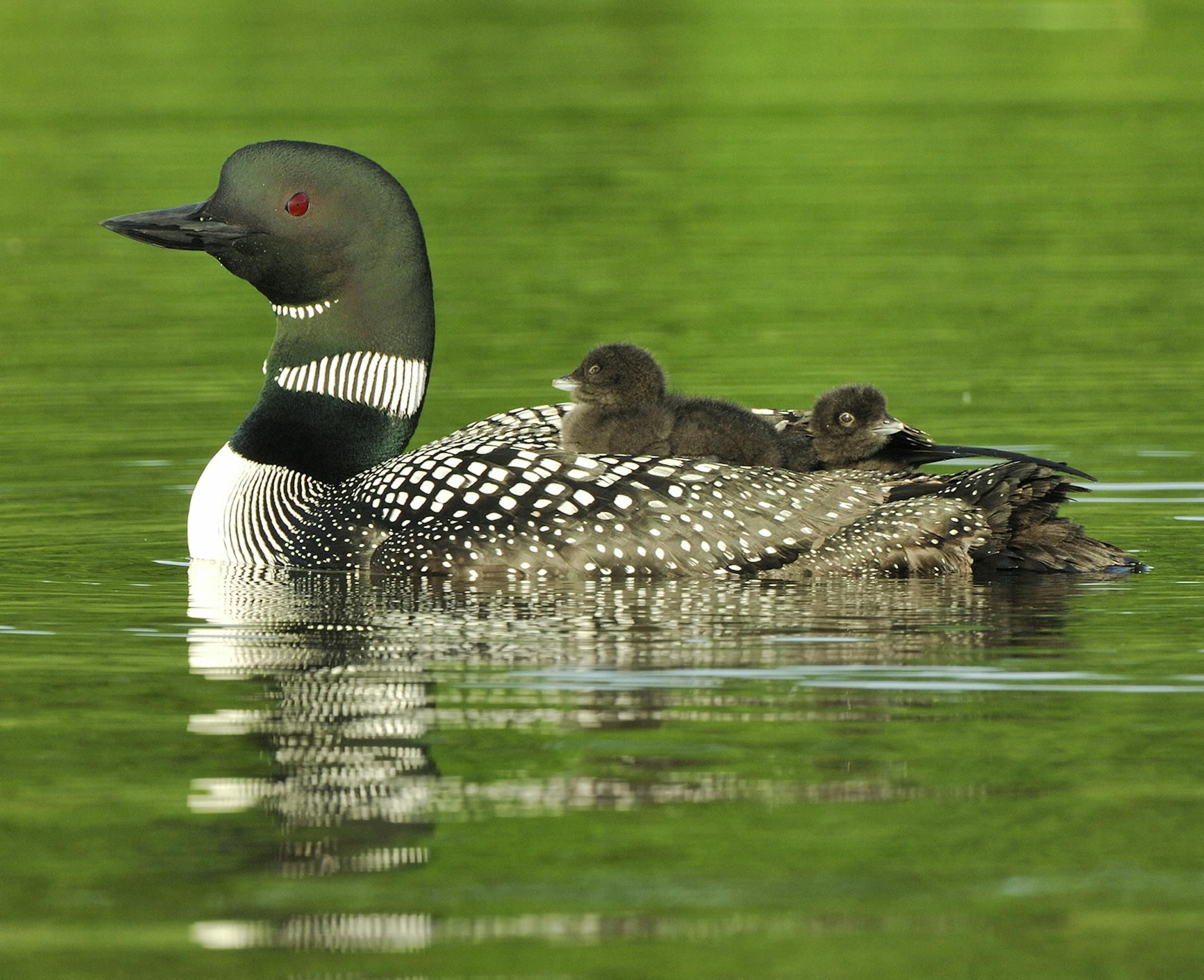
Some parents and young are highly visible, such as the loon pair that loafs with their downy chicks on a calm lake. Other creatures raise their young in seclusion. Most ducklings, for instance, are masters of camouflage. They scurry for cover the instant their alert mother detects danger and sends them the signal.

Cottontail rabbits usually nest in a slight hollow ­hidden among leaf litter on the forest floor. The well-camouflaged newborn rabbit will continue to rely upon its mother's milk for three weeks or more. After nursing her young, the female rabbit covers them with duff and then hops off, only to return later for another feeding.

Wild babies are so irresistible, we are sometimes tempted to bring them home. We might assume they have been abandoned if we encounter the babies alone. However, it is always best to leave them undisturbed. A parent or parents are usually nearby.
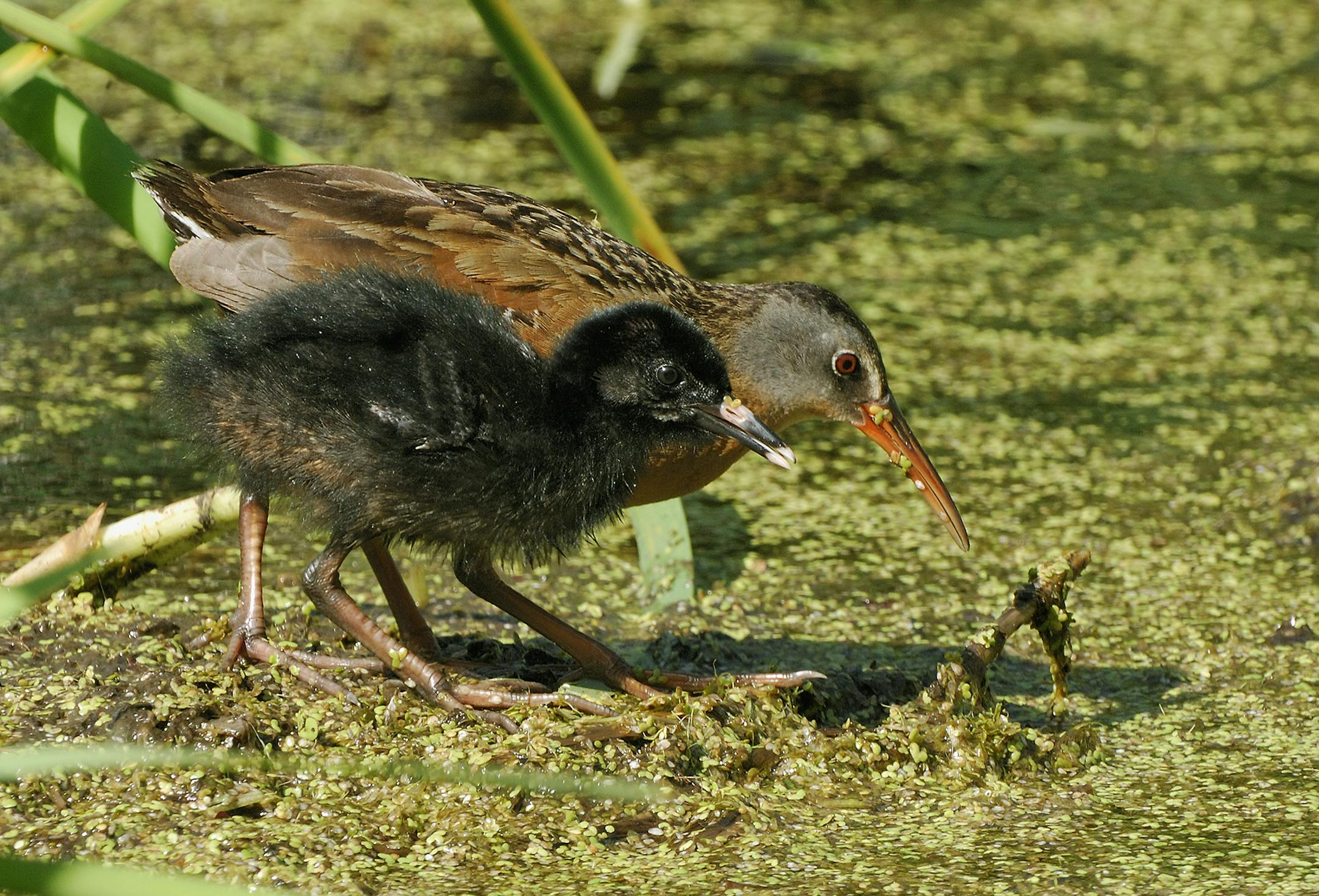
DO NOT USE! ONE-TIME USE WITH BILL MARCHEL COPY ONLY. Virginia rails are secretive and seldom seen. Unlike most birds, the gangly young rails are black in color and less camouflaged than the adults.
Virginia rails are reclusive and seldom seen. However, the gangly youngsters are black and therefore easier to spot than the brown adults. (The Minnesota Star Tribune)
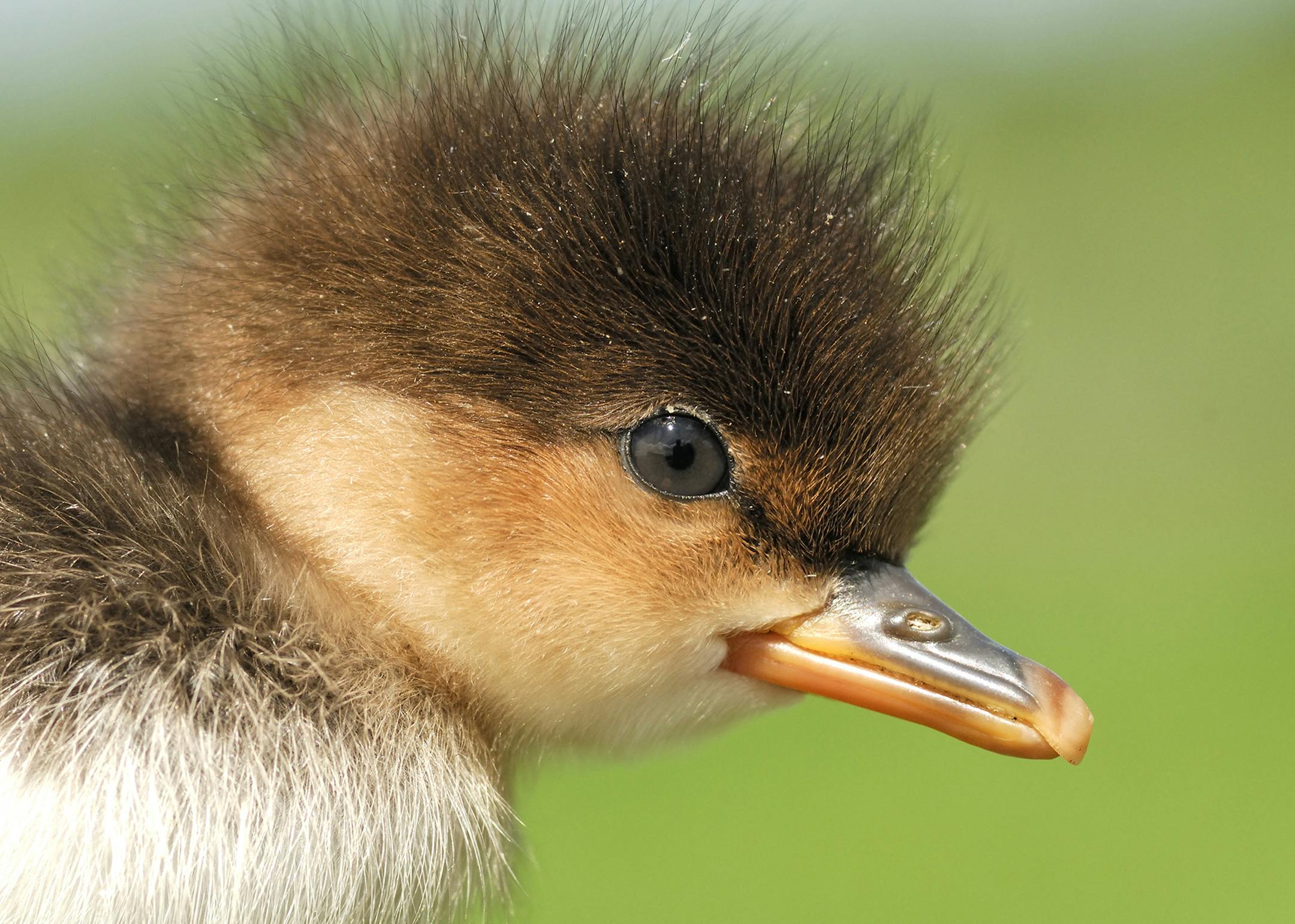
DO NOT USE! ONE-TIME USE WITH BILL MARCHEL COPY ONLY. Baby birds don't get any cuter than this young hooded merganser.
Ducklings don’t get any cuter than this fuzzy hooded ­merganser. Just like mallard ducklings, hooded mergansers leave the nest within 24 hours of hatching. (The Minnesota Star Tribune)
DO NOT USE! ONE-TIME USE WITH BILL MARCHEL COPY ONLY. Loon chicks oftentimes ride atop their parents backs. Both adults care for the young, feeding them minnows and small fish until the chicks are old enough to capture prey on their own.
Loon chicks will often hitch a ride on a parent’s back. Both adults care for the young, feeding them minnows and small fish until the chicks are old enough to hunt on their own. (The Minnesota Star Tribune)
about the writer

about the writer

Bill Marchel

More from No Section

See More
FILE -- A rent deposit slot at an apartment complex in Tucker, Ga., on July 21, 2020. As an eviction crisis has seemed increasingly likely this summer, everyone in the housing market has made the same plea to Washington: Send money — lots of it — that would keep renters in their homes and landlords afloat. (Melissa Golden/The New York Times) ORG XMIT: XNYT58
Melissa Golden/The New York Times

It’s too soon to tell how much the immigration crackdown is to blame.