

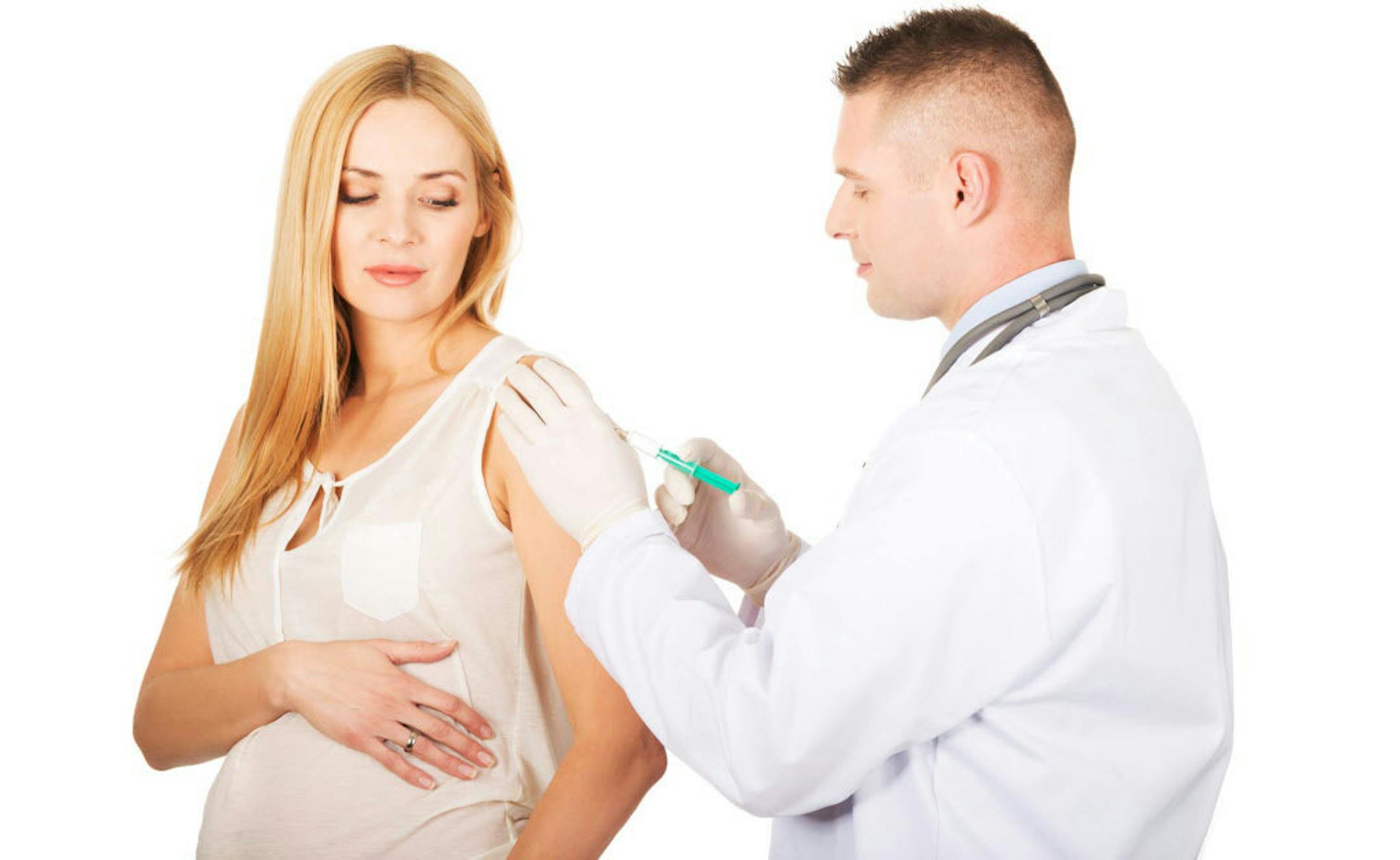
Pregnant women who receive the pertussis (whooping cough) vaccine have babies who are less likely to suffer from this highly contagious respiratory tract infection during their first year of life, according to a recent study.
The study found that widespread use of diphtheria, tetanus and acellular pertussis booster vaccine (Tdap) in pregnant women can decrease newborn pertussis significantly.
Dr. Gregory Poland, director of the Mayo Clinic Vaccine Research Group, called the findings very important.
"What this study did is look at over 150,000 births and look at pertussis cases," he said. "We have widespread pertussis throughout the U.S. — tens of thousands of cases every year. When a newborn baby gets pertussis, about 1 percent of them die. About 50 percent of them end up in the hospital with serious complications.
"What the study found is that 90 percent of these babies were fully protected. That is, the vaccine efficacy was 90 percent in that newborn time period, which is the riskiest time period."
Pertussis is a bacterial respiratory infection that causes severe spells of coughing that can interfere with breathing. Pertussis also can cause pneumonia, long-lasting bronchitis, seizures, brain damage and death.


