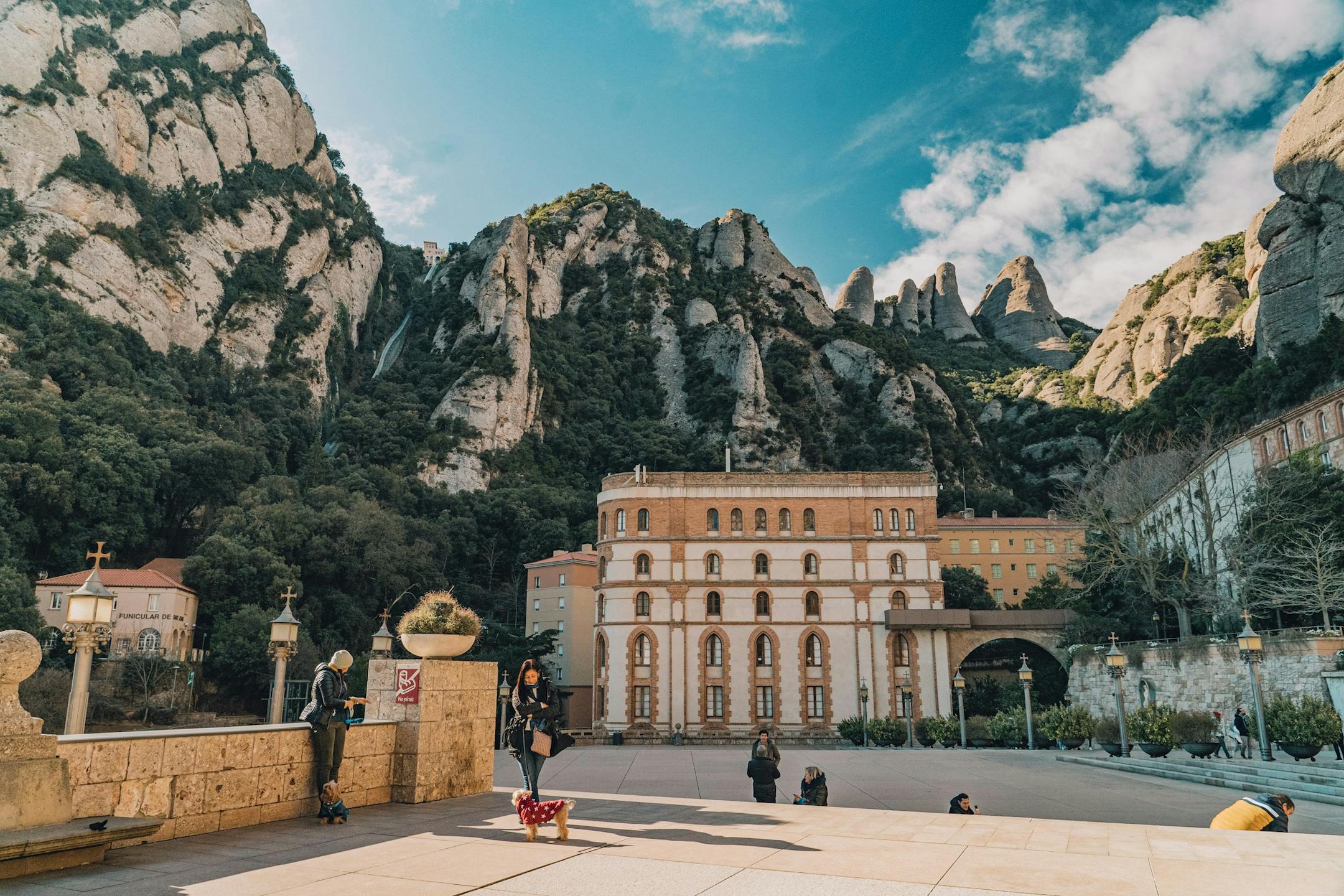
Life always moves more slowly in Spain, where the siesta is the national pastime and you practically have to send up smoke signals to get your tapas bill. But in the winter, when locals aren’t being pressured by impatient tourists to pick up the pace, everything slows to a crawl.
That was a frustration when I traveled by train across the country in late November.
Major artworks, like El Greco’s “The Burial of Count Orgaz” in Toledo, were unavailable for viewing due to renovations. Rooftop restaurants were shuttered. Securing English-speaking tours required a little luck and a lot of scheduling. Temperatures dipped to the 50s and 40s, forcing usually fashion-forward Spaniards to cover up in puffy coats.
But there are also huge advantages to seeing the world’s second-most touristed country (after France) during the offseason — starting with prices.
A Delta Air Lines connecting flight from Minneapolis to Madrid, then returning from Barcelona two weeks later, was less than $600, about half of what you might pay in the summer. Hotel rates hovered around $60 for doubles with private bathrooms.
Admission to popular tourist attractions, like flamenco shows in major cities, went at discount rates. If the dancers were bummed stomping up a sweat for less than a dozen spectators, they didn’t show it.
Offseason delights
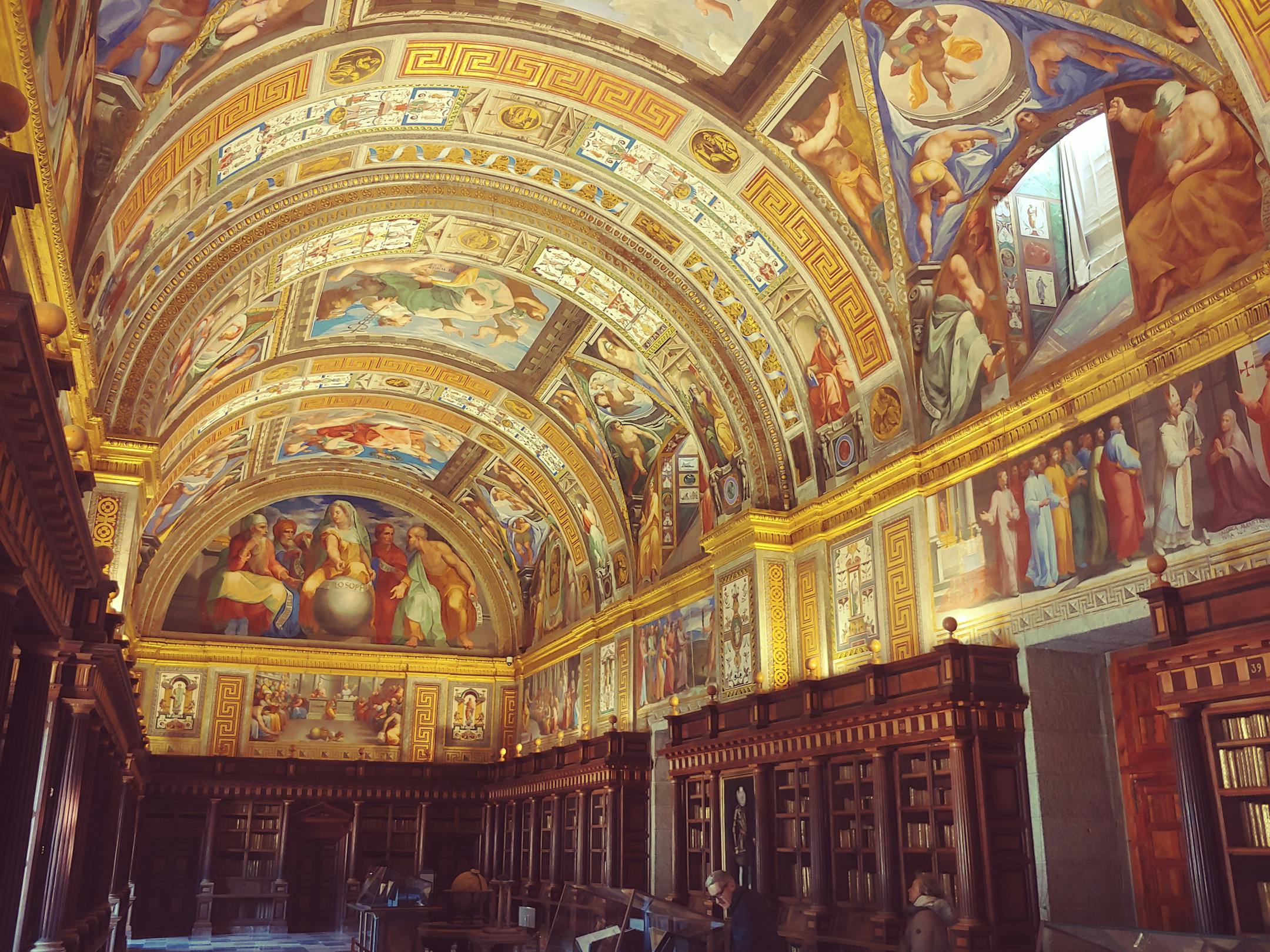
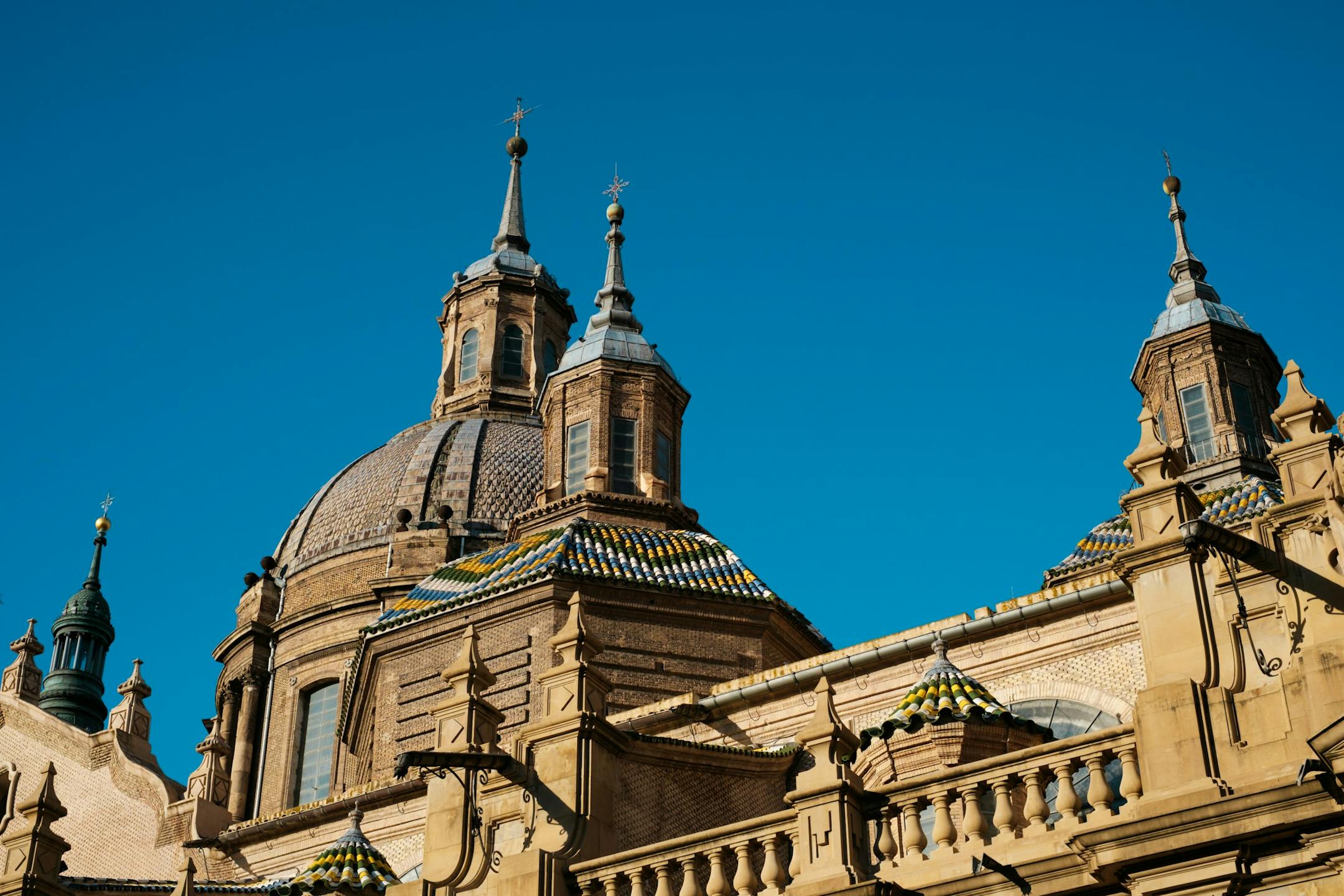
Churches and museums that get packed starting in May could be enjoyed without fellow tourists nudging you out of the way to get a closer look at artists’ umpteenth take on the Crucifixion.
There was no such rush at Toledo’s Holy Church of the Cathedral, allowing me treat Narciso Tomé’s “El Transparente,” a Baroque masterpiece that stretches into the sky, as if it were my own private stairway to heaven.