

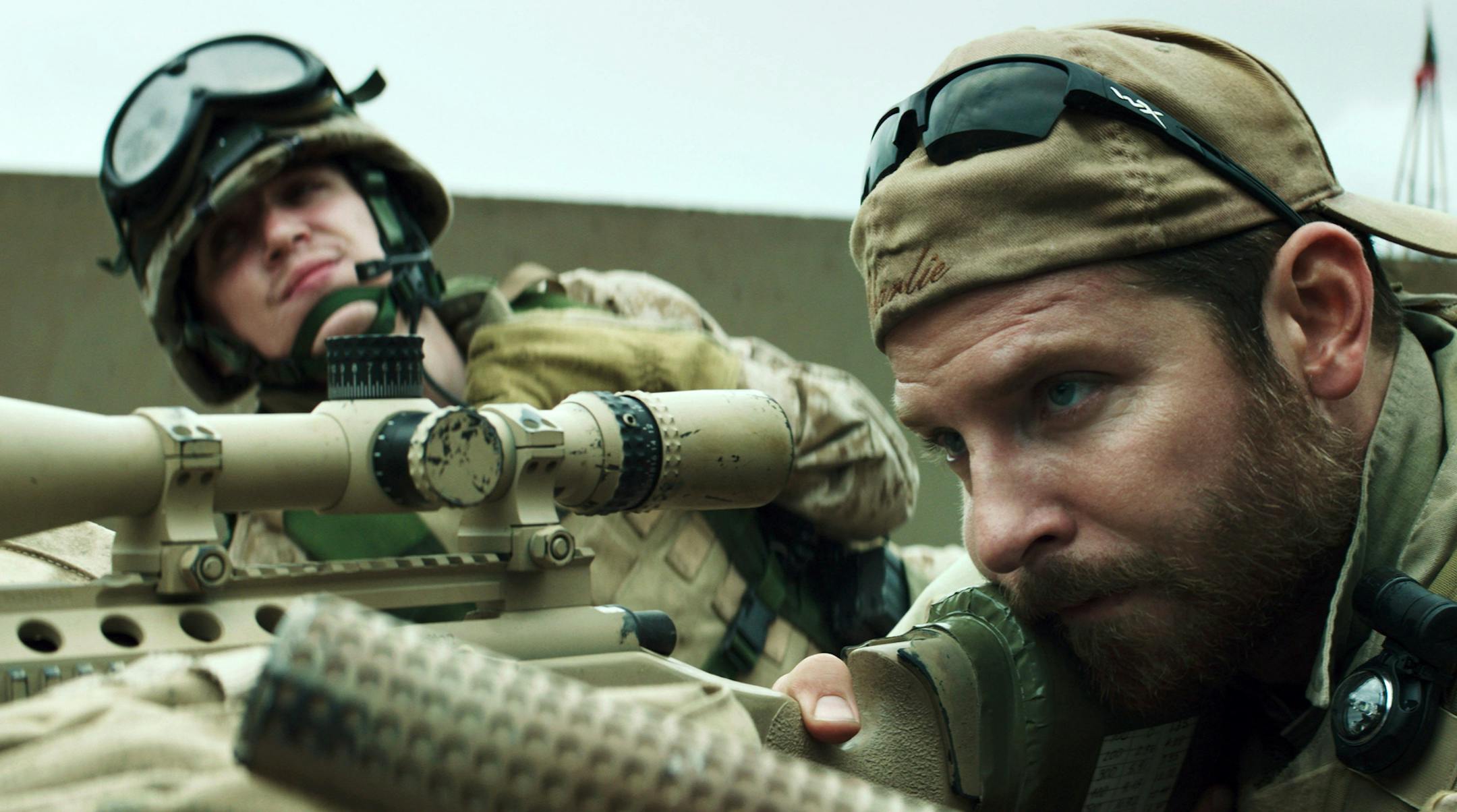
Most people who are having a negative reaction to the film "American Sniper," or to excerpts from the book it's based on, seem to take umbrage at the fact that Chris Kyle "brags" about the number of lives he took and the situations in which he took them — or they're offended by the glorification with which director Clint Eastwood depicts his story.
During my time on active duty in the Marine Corps, I encountered death in a multitude of ways — from trying to stop it, as my fellow Marines and I worked on our maimed and wounded after a terrible mortar accident, to watching it live via drone footage, as a high-value Taliban commander sheltered in a compound just as we slammed a missile into his living room. I am a veteran — twice — of the war in Afghanistan.
The ways in which we as military members must prepare to encounter the enemy are not easy on the psyche. To be honest with you, a lot of things that are being criticized about this movie are completely accurate.
Eastwood shows how Kyle dehumanized the enemy and how he almost completely ignored the larger picture involving all of the issues surrounding the war in Iraq.
Yes, we dehumanize the enemy. How can we not? The average American has no idea the mental toll it takes on their soldiers, sailors, airmen, and Marines just to be ready to pull the trigger with another human in your sights, let alone to actually do it. Engage the target. Eliminate the threat. These are the sanitized phrases we use to keep ourselves sane as we turn off the emotion that would come from actually killing another human being (the emotions come later).
On the battlefield, I can tell you, themes of honor, country and noble causes are entirely absent. When I was on the ground in Afghanistan, I wasn't thinking about the greater good of the Afghan people, about spreading democracy or about root-beer floats on the 4th of July.
I had one thought and one line of reasoning: I want to kill as many of them as fast as possible so that they don't kill me or — worse — my fellow Marines.
Does it make you uncomfortable to read that? It should. That thought, along with the memories of what I have seen, keeps me and thousands of other veterans awake every night. "American Sniper" provides excellent insight into the actual thought processes of what an American on the ground thinks and feels during his time in war and after it ends. It's a great message that the American people should see.


