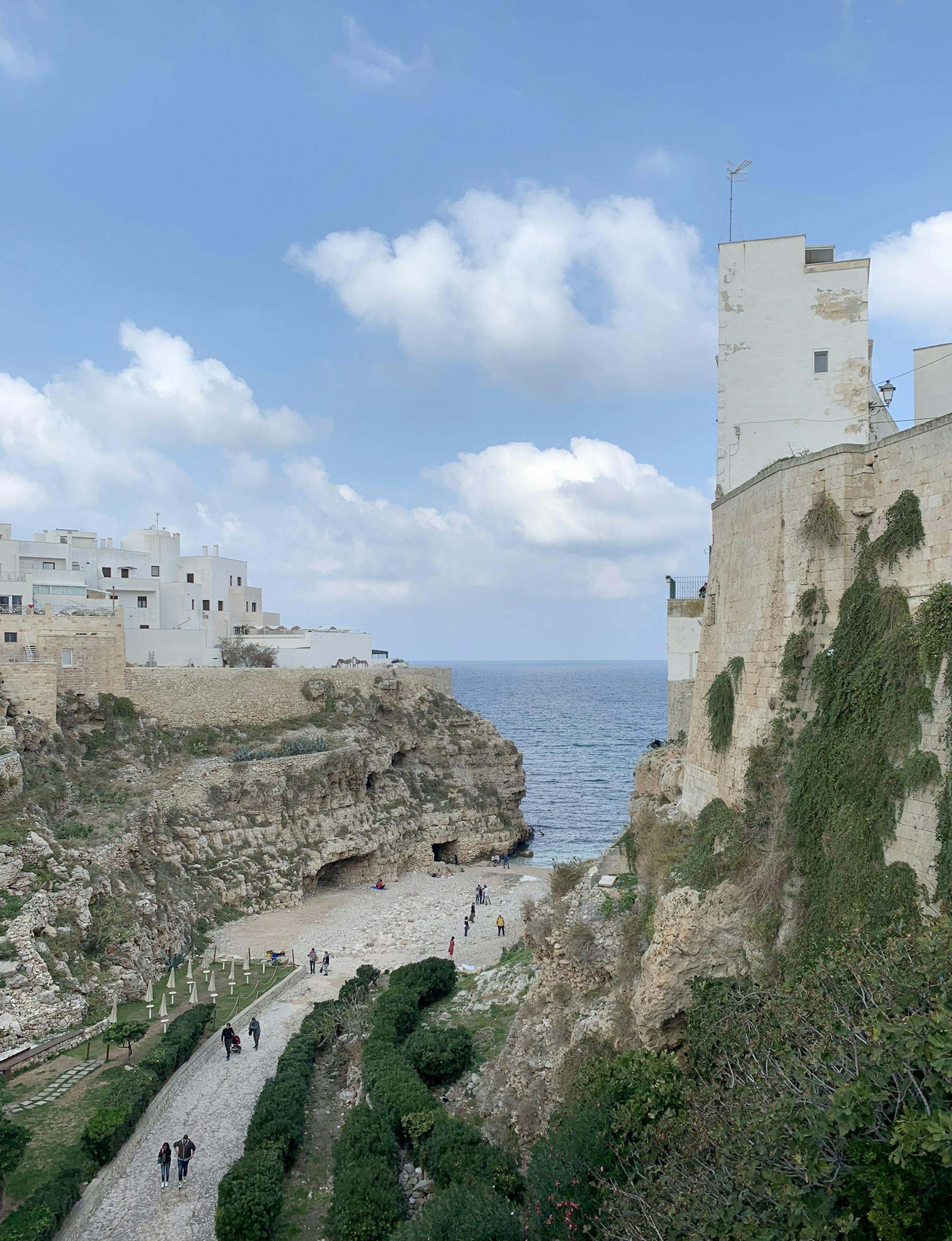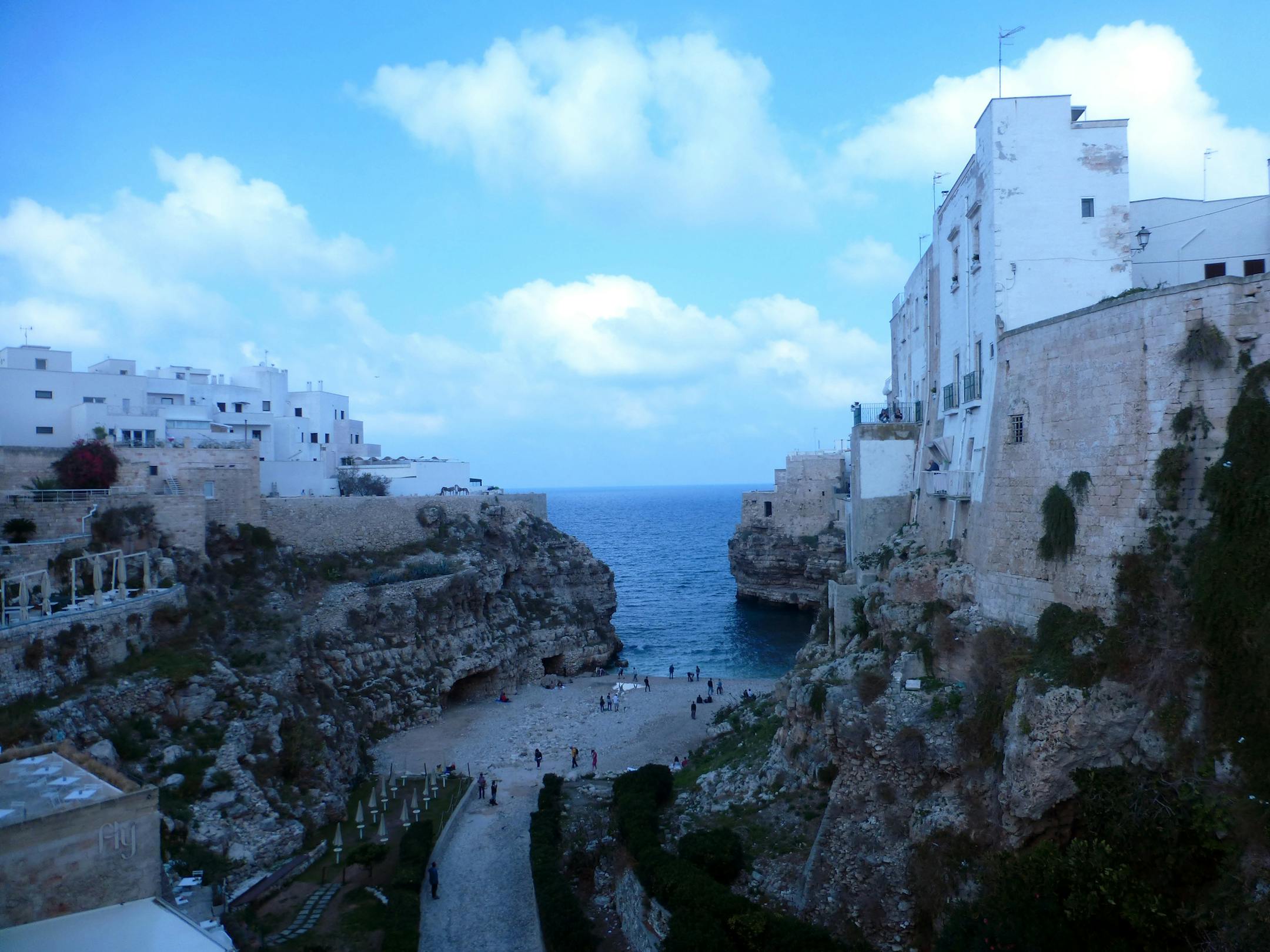
Lecce, Puglia, I kept hearing, was the Florence of the south, but I was skeptical. Every couple of years, another overlooked pocket of Italy is anointed the new Tuscany, or Amalfi, and it's easy to be wary. Italy has been running out of regional "It Girls" lately and Puglia — the heel of the country's boot, hugging the Adriatic coast — just seemed like the last possible undiscovered discovery for the travel sites to hawk.
But when I entered Lecce on a recent fall day, after a quick drive from the Brindisi airport, my cynicism thawed.
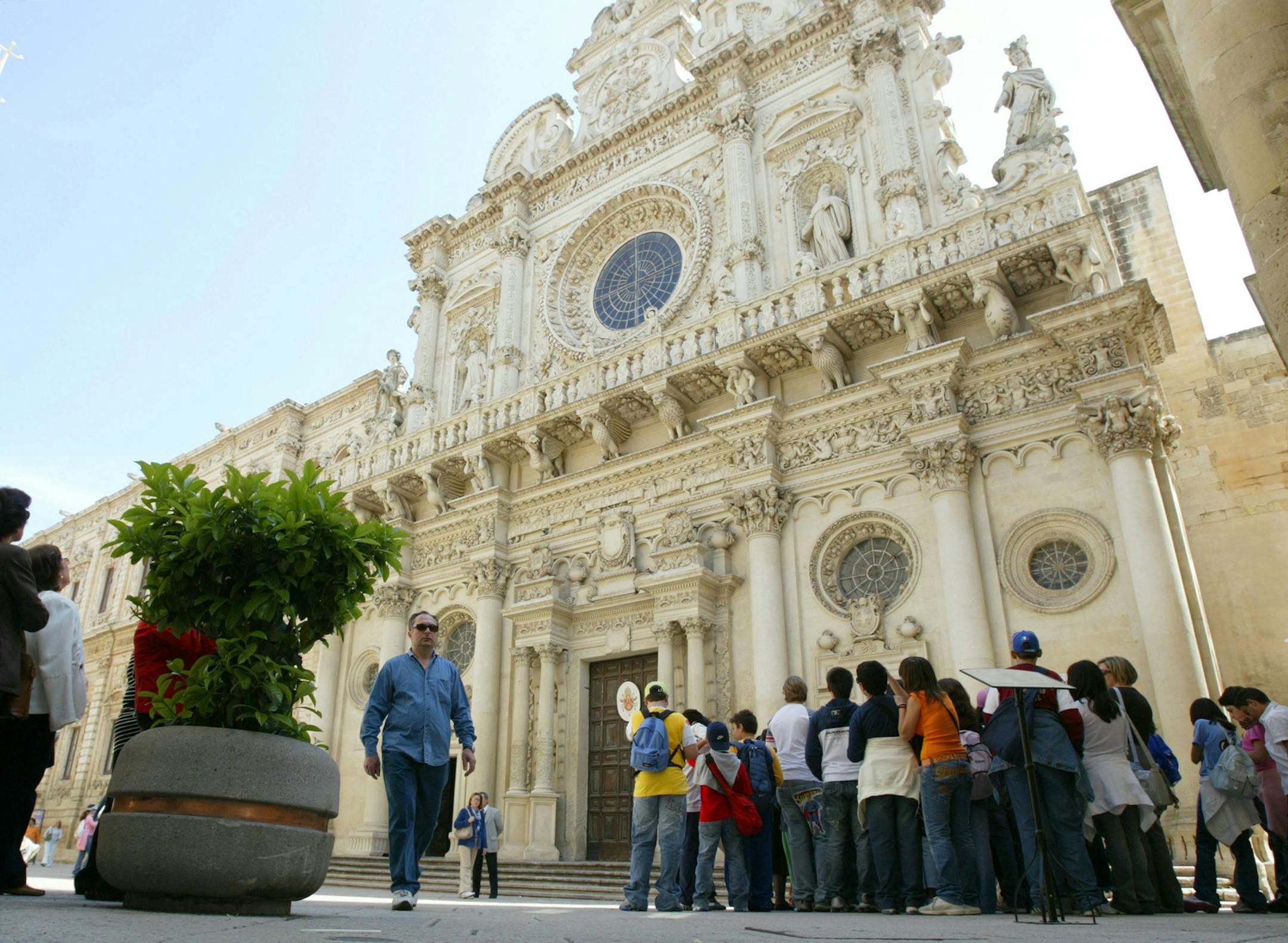
The city is a little baroque timepiece — all golden stone and beautiful ruins — and what it didn't have it didn't need. There was a trickle of tour groups but nothing matching the trampling Florentine hordes. There were a number of must-see landmarks, but the list wasn't overwhelming and none were already too familiar or bound to disappoint (like David, Michelangelo's sculpture in Florence, whose chunky head looks way too big, in person, for his stunted body). And while the culinary hit list of Lecce was punier than those of Italy's top capitals, it was also a lot more authentic, devoid of the spongy focaccia and glutinous pastas of Tuscany's tourist dives. Lecce, it was clear, was no Florence. In some ways it was better.
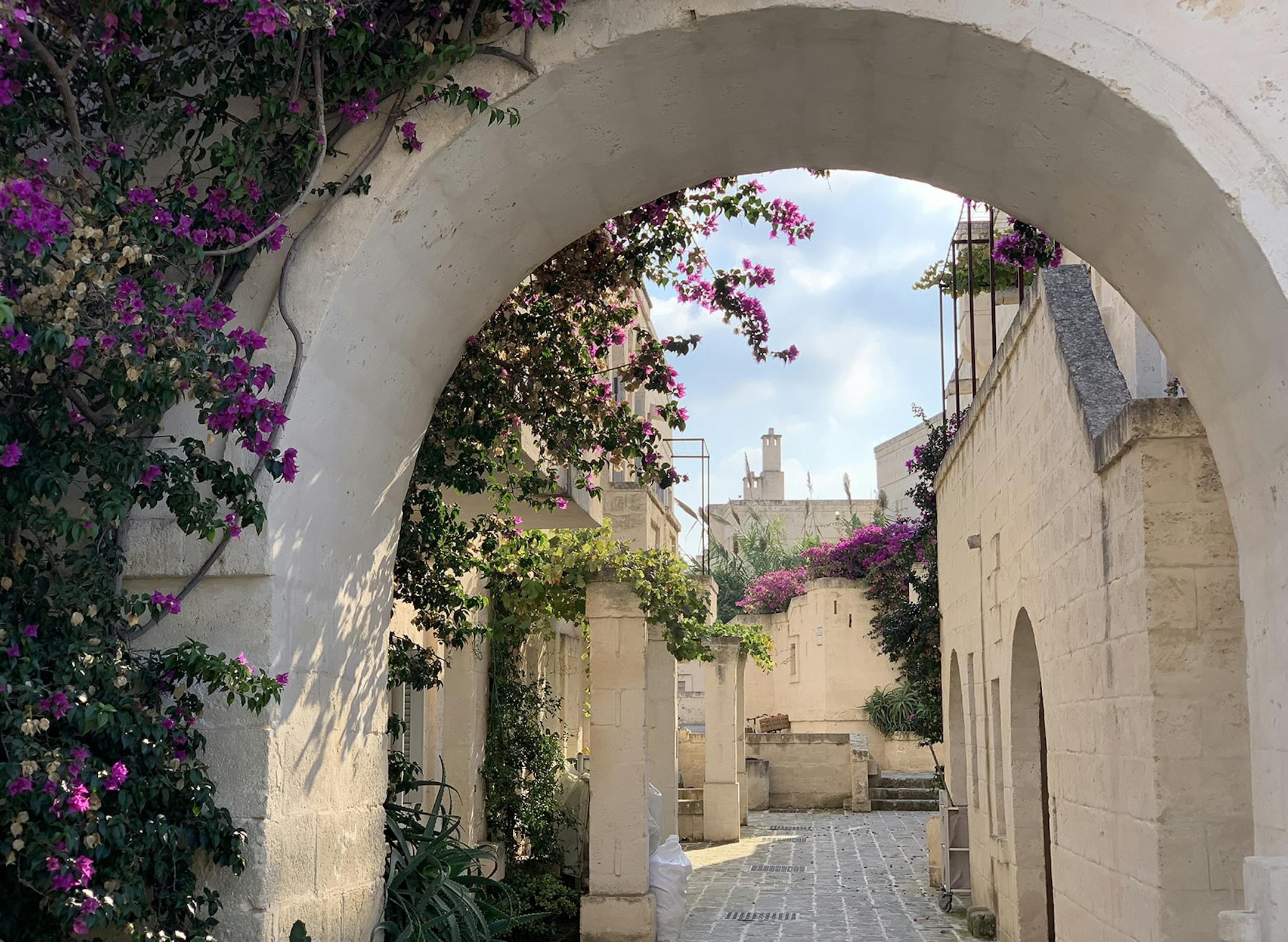
My accommodations, in fact, were something I could never top for the price farther north, and one of the reasons Puglia has suddenly started drawing style-hungry travelers and influencers. Situated in a renovated 17-century manor house, La Fiermontina is the kind of rustic resort that feels timeless. The high vaulted ceilings and limestone walls of my room, one of 16, felt like an organic embrace. There was a sculpture garden lush with olive trees, a spa, and a restaurant. Running through the public spaces, a curated collection of contemporary art echoed the elegance of the palazzos' arched bones.
The hotel's best amenity, though, was its location — right on the edge of Lecce's compact, walkable historic center.
Lecce's baroque beauty
The largely baroque town is a maze of narrow side streets, guarding their own private secrets, that suddenly break out into big, public, operatic plazas. What distinguishes the old manor houses and small palazzos — built of local, golden shaded calcareous stone — are the sculpted brackets that support the buildings' balconies. Look up and you see a whole world of cherubs and galloping horses, saints and gargoyles. None, though, equal the caryatids of the Palazzo Marrese. A long row of angels hoist the terrace up with their brawny arms, their expressive faces running the gamut from ethereal to bored. My favorite: one flat-out cranky seraph, looking ready to let that heavy portico finally drop.
The only thing matching that display is Lecce's own central Duomo — take that, Florence — which brings high baroque over the top with its marble and bronze altar.
If you want to take some of that spiritual fervor home with you, you can. In another sign of its backwater authenticity, Lecce features more artisanal workshops than souvenir stands or chains, and a whole complement of studios still produce the papier-mâché crèche angels, saints and folk figures that are a local tradition Some of the figures have devolved into kitsch but at La Cartapesta di Claudio Riso, the hand-produced Virgin Marys and angels, their faces modeled after Botticelli paintings, were artful enough to turn me into a haggler.