

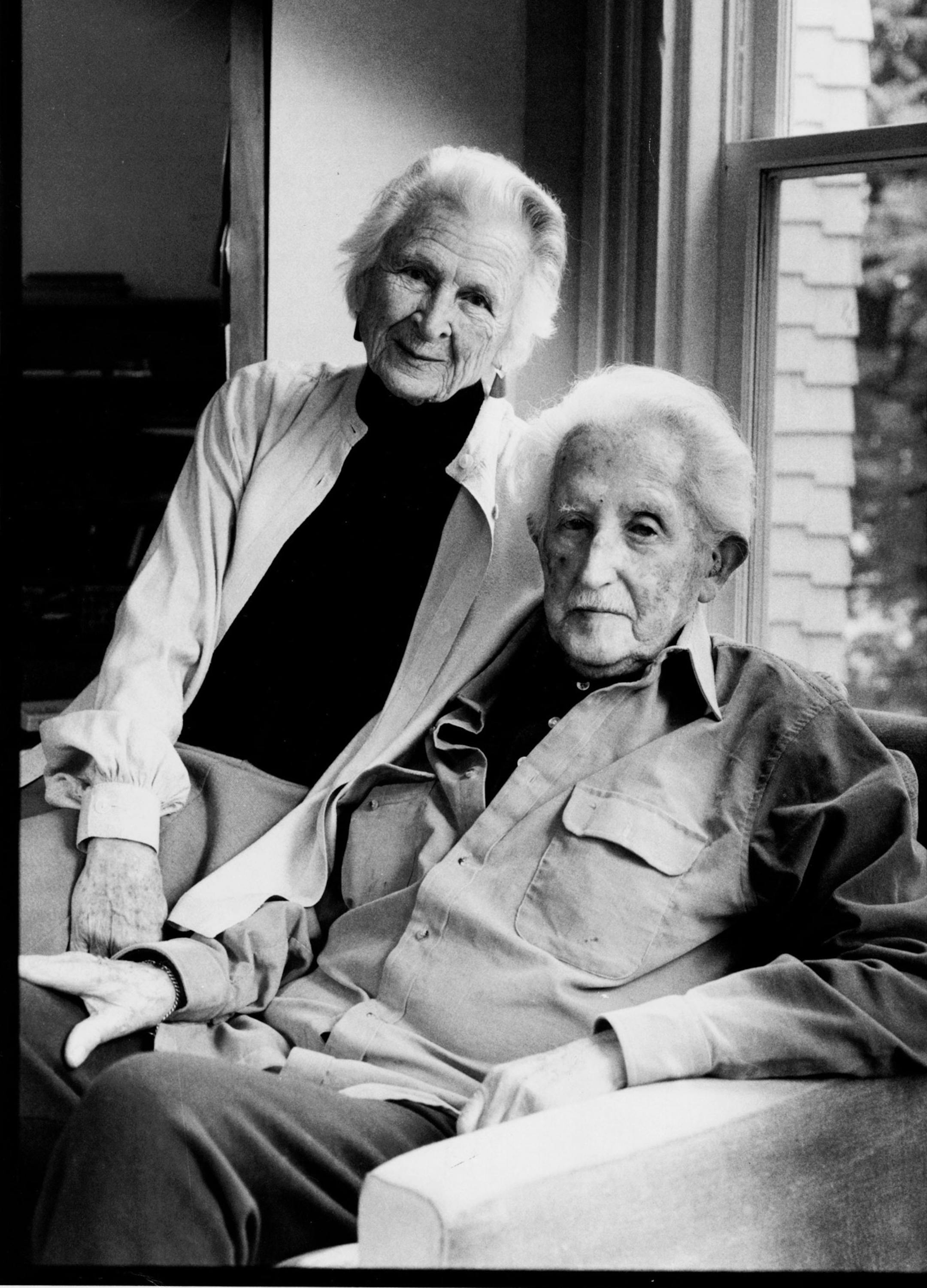
By PHYLLIS KORKKI New York Times
Since ancient times, the elusive concept of wisdom has figured prominently in philosophical and religious texts. The question remains compelling: What is wisdom, and how does it play out in individual lives?
Most psychologists agree that if you define wisdom as maintaining positive well-being and kindness in the face of challenges, it's one of the most important qualities one can possess to age successfully.
Vivian Clayton, a geriatric neuropsychologist in Orinda, Calif., developed a definition of wisdom in the 1970s that has served as a foundation for research on the subject ever since. After scouring ancient texts for evocations of wisdom, she found that people described as wise were decisionmakers. So she asked a group of law students, law professors and retired judges to name the characteristics of a wise person. Based on an analysis of their answers, she determined that wisdom consists of three key components: cognition, reflection and compassion.
Unfortunately, research shows that cognitive functioning slows as people age. But speed isn't everything. A recent study in Topics in Cognitive Science pointed out that older people have much more information in their brains than younger ones, so retrieving it naturally takes longer. And the quality of the information in the older brain is more nuanced. While younger people were faster in tests of cognitive performance, older people showed "greater sensitivity to fine-grained differences," the study found.
According to Clayton, one must take time to gain insights and perspectives from one's cognitive knowledge to be wise (the reflective dimension). Then one can use those insights to understand and help others (the compassionate dimension).
Working from Clayton's framework, Monika Ardelt, an associate sociology professor at the University of Florida in Gainesville, wanted to expand on studies of old age because of research showing that satisfaction late in life consists of things like maintaining physical and mental health, volunteering and having positive relationships with others. But this isn't always possible if the body breaks down, if social roles are diminished and if people suffer major losses. "So these people cannot age successfully? They have to give up?" she recalled asking herself.
Wisdom, she has found, is the ace in the hole that can help even severely impaired people find meaning, contentment and acceptance in later life.


