

Opinion editor's note: Star Tribune Opinion publishes a mix of national and local commentaries online and in print each day. To contribute, click here.
•••
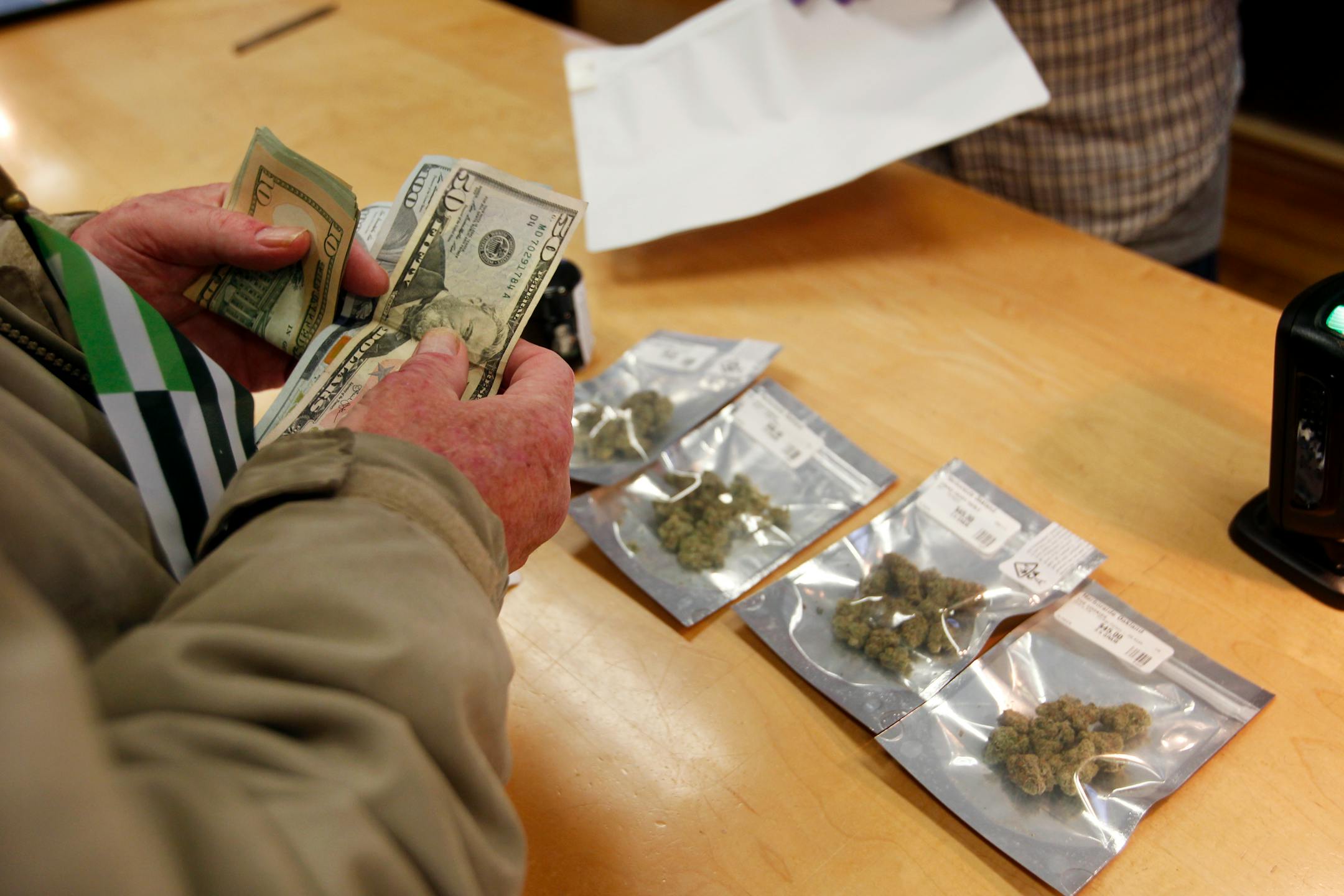
The market for legal weed is growing. But in California, as elsewhere, it faces serious challenges.
We're not talking about droughts or supply chain shortages. The biggest challenge is competition from illegal weed. Our best estimate is that roughly three-quarters of the weed currently sold to consumers in California is illegal (meaning it is not licensed by the state).
When California voters passed Proposition 64 in 2016 to legalize recreational or "adult-use" cannabis, they also approved a complex state-run system for licensing, regulating and taxing it. This new system, which took effect in 2018 and replaced the formerly (almost) unregulated medical cannabis market, made legal weed much more expensive than illegal weed.
Here's how it works.
Under Proposition 64, legal-weed businesses must first obtain approval from local authorities, which is impossible in many parts of California. The lucky ones that do get local approval must then apply and pay for a state license. This two-step process can take years and consume hundreds of thousands or even millions of dollars in legal, consulting and license fees.
Legal-weed businesses must also register with the state every gram of weed that's grown, sold or transferred between locations through a complicated "track-and-trace" system. Managing this process alone can cost tens of thousands of dollars per month in software and labor costs.


