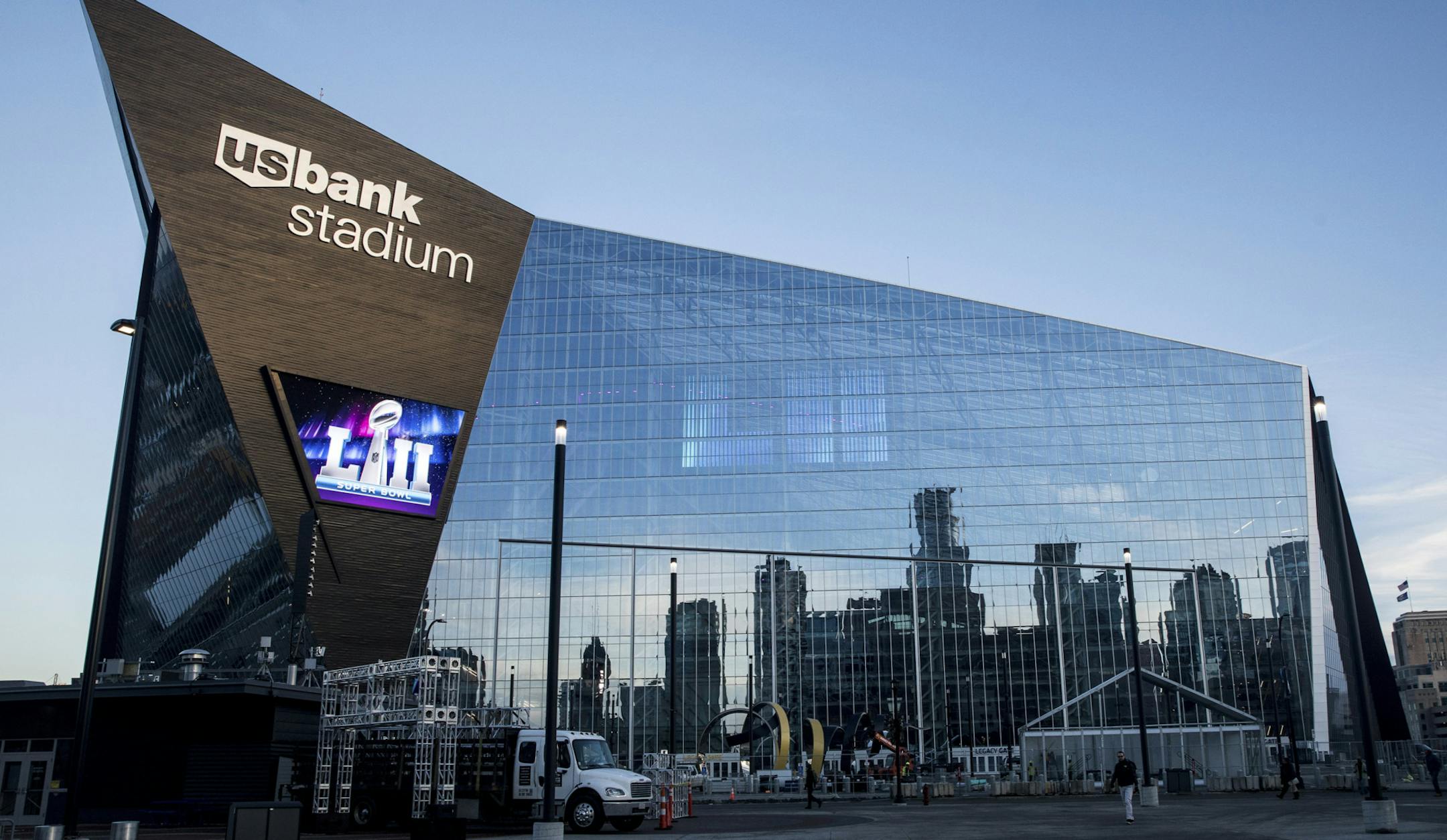
Why don't they put stadiums in the 'burbs anymore?

As they follow development trends, well designed stadiums can propel growth.

February 2, 2018 at 11:01PM
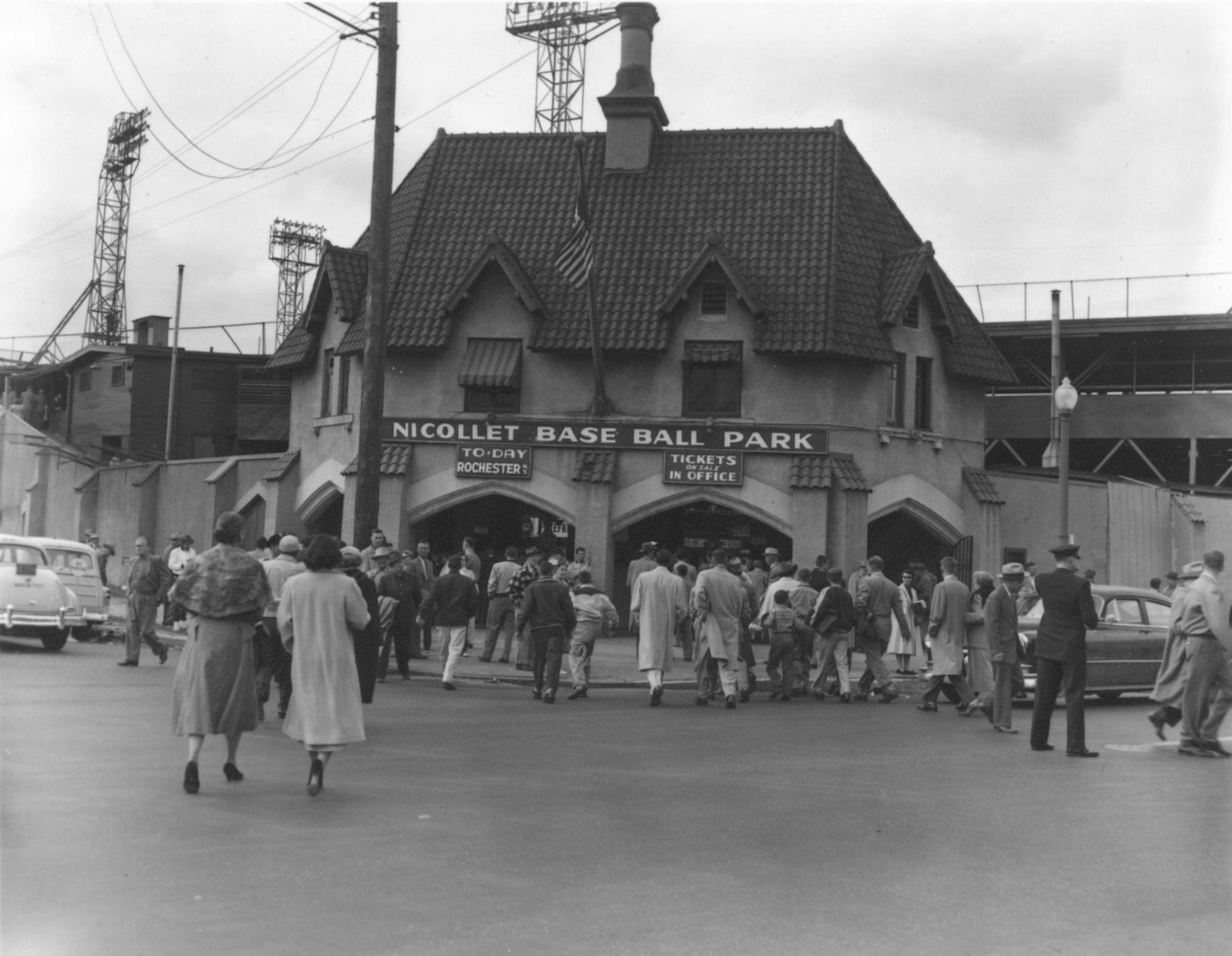
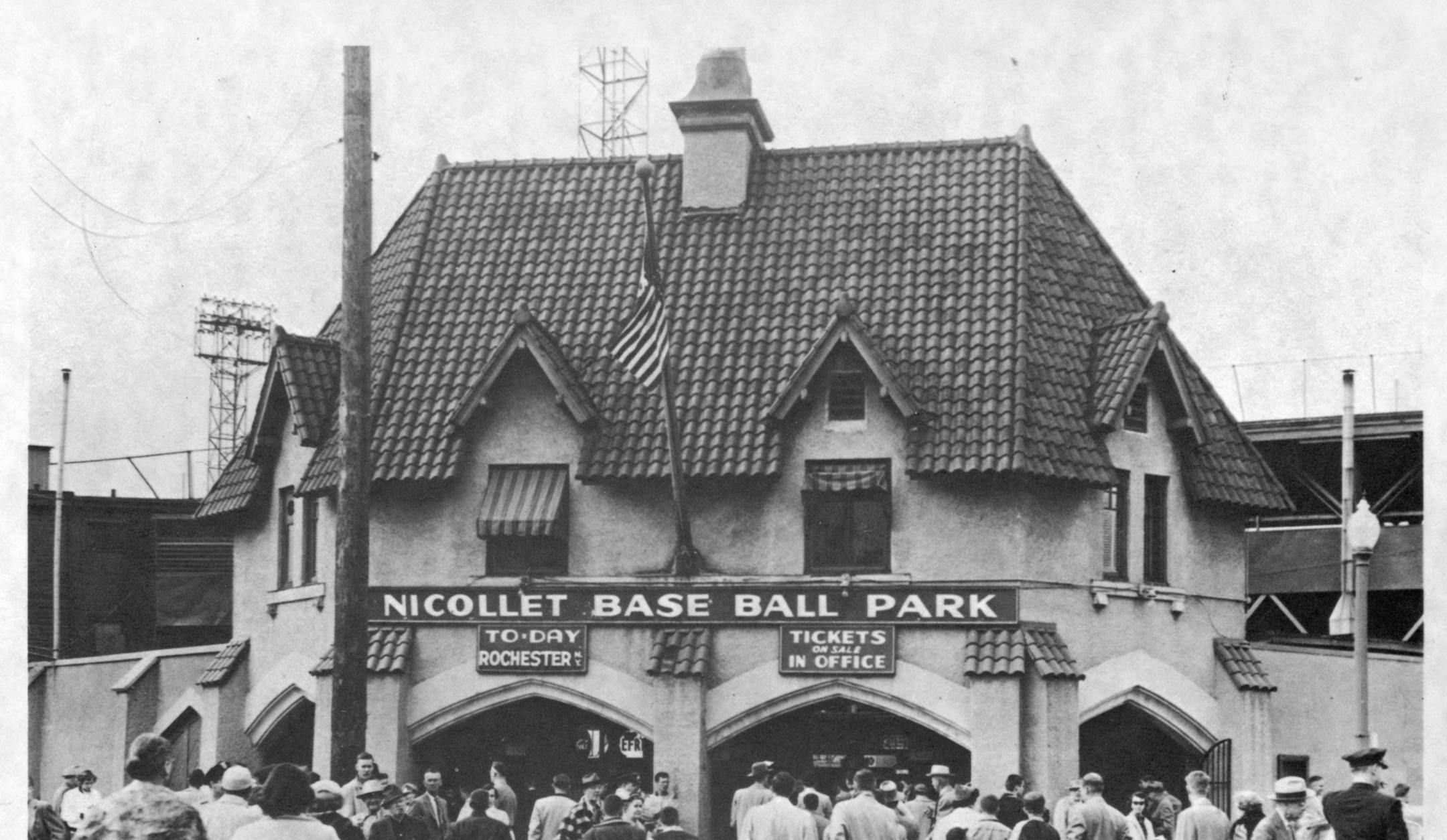
Nicollet Park in Minneapolis was home to the Minneapolis Millers baseball team.
Nicollet Park in Minneapolis was home to the Minneapolis Millers baseball team. (The Minnesota Star Tribune)

The old stadium was showing its age, and civic boosters demanded a new facility. Fans showed up to say farewell. The bulldozers moved in, and a few years later, everyone marveled at the new facility.

Goodbye, Nicollet Park in the heart of tired old Minneapolis — hello, Metropolitan Stadium in the freshly turned fields of Bloomington.

Fast-forward a number of years, then replay the same script.

Now the Met was the old beloved dump, and the Metrodome downtown was the shiny white future.

If history had repeated itself again, the Dome's replacement would have risen in some distant exurban field, only to be replaced in 30 years by something in the city again.

But the cycle was broken when U.S. Bank Stadium began to rise on the gravesite of the Dome in 2013.

To understand why our new urban stadium has been so successful, let's revisit the history of our sports facilities:

Athletic Park, Minneapolis' first urban baseball venue, wasn't far from where Target Field is now. The park, which accommodated 3,000 fans, was the pride of Minneapolis when it opened in 1889. The first game was rained out, perhaps a portent of what was to come.

Soon after it opened, baseball hit a bad patch; management problems, lineup turnovers and the sagging fortunes of the leagues meant that neither Minneapolis' nor St. Paul's team finished out its season. By 1893, there wasn't any Minneapolis baseball at all.

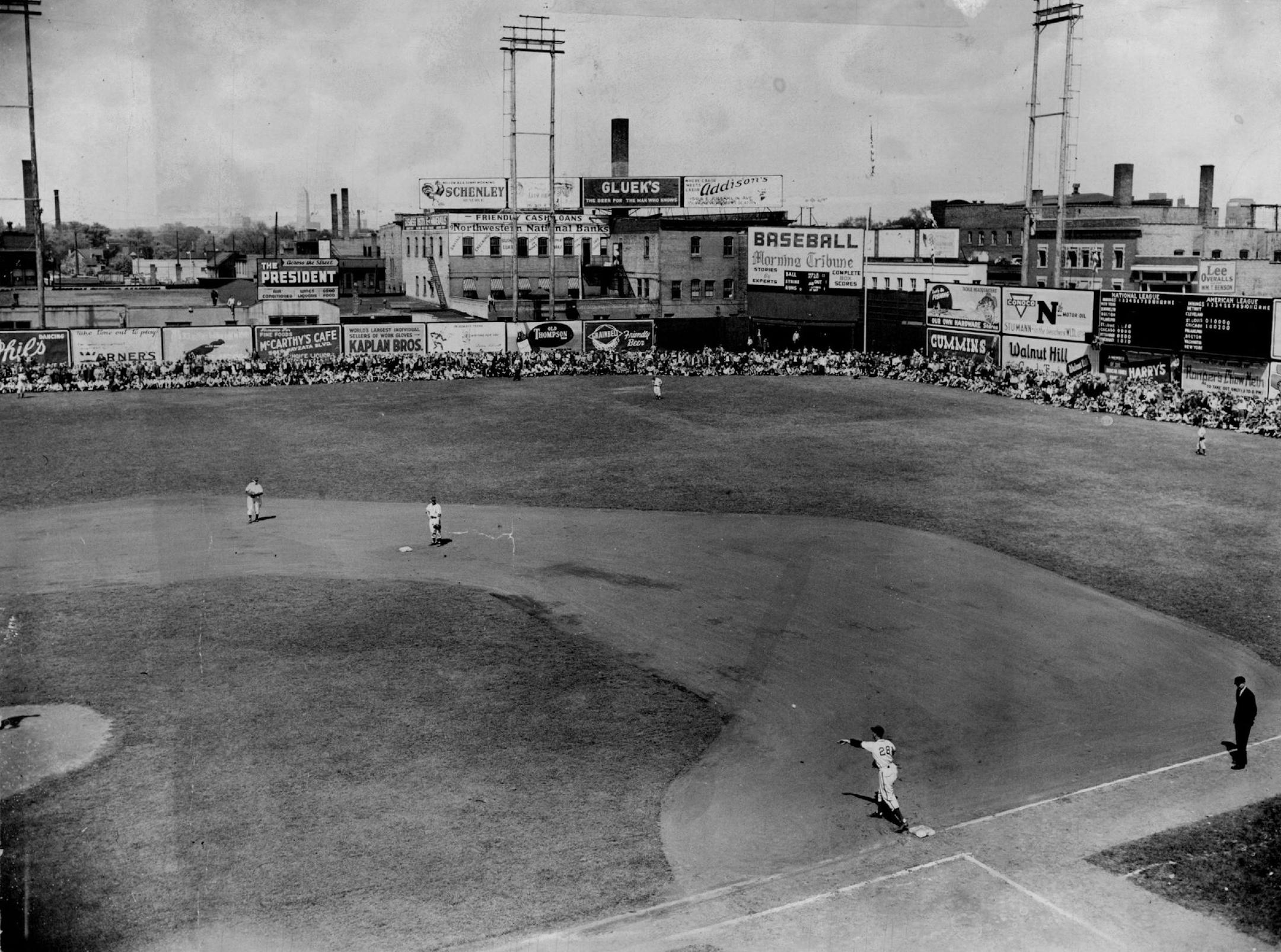
Things improved when the new Western League firmed up, and Minneapolis' team was profitable enough to consider a new, larger stadium in the Kenwood neighborhood. The city nixed the idea, so the management built its new facility, Nicollet Park, on Nicollet Avenue at 31st Street, in just three weeks' time. The Millers played Milwaukee in their first game in June of 1896. And the Millers whomped 'em.

The Nicollet facility wasn't just for baseball. Minneapolis' early pro football teams — the Marines and the Red Jackets — played at the stadium in the first three decades of the 20th century.

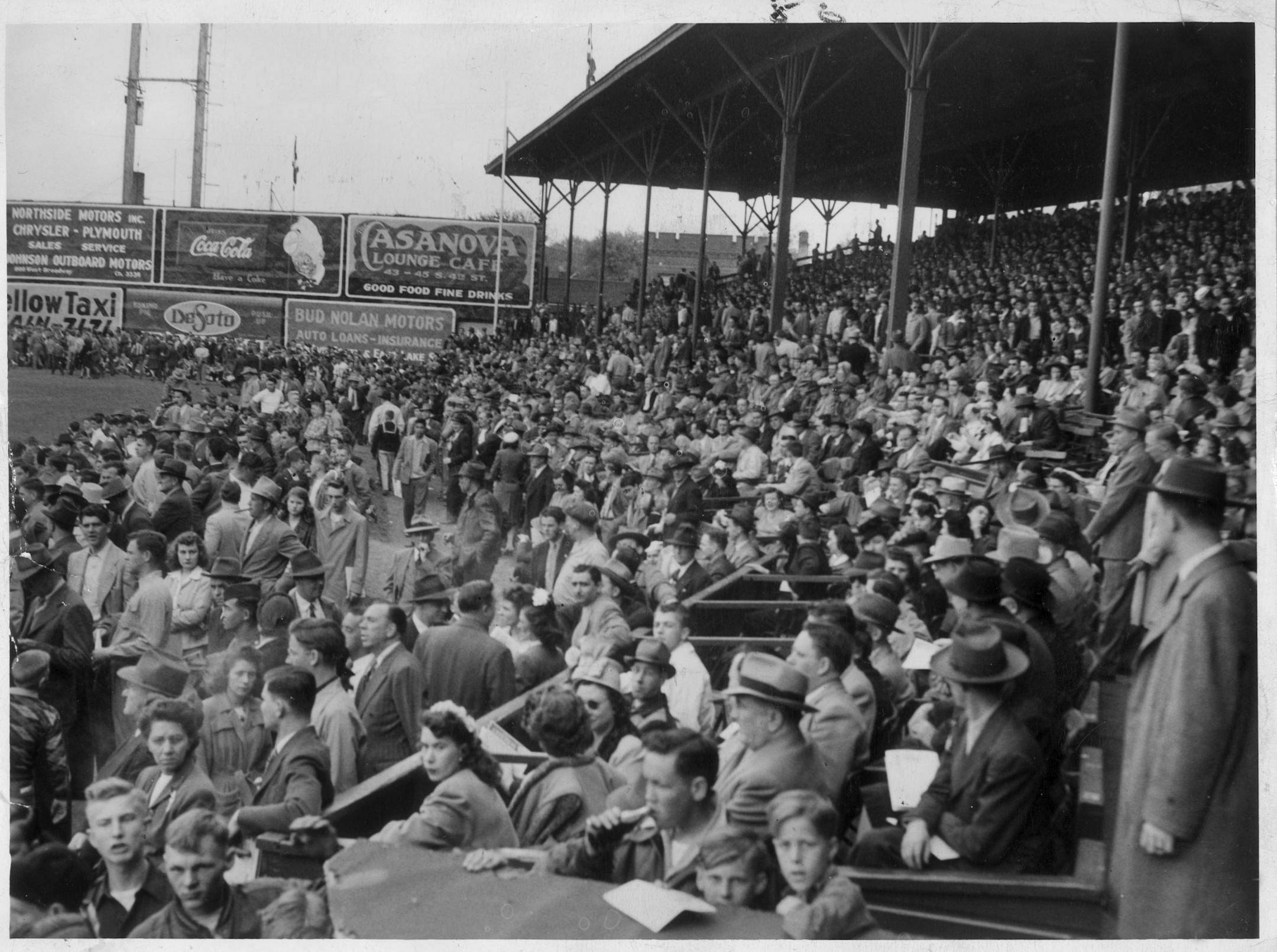
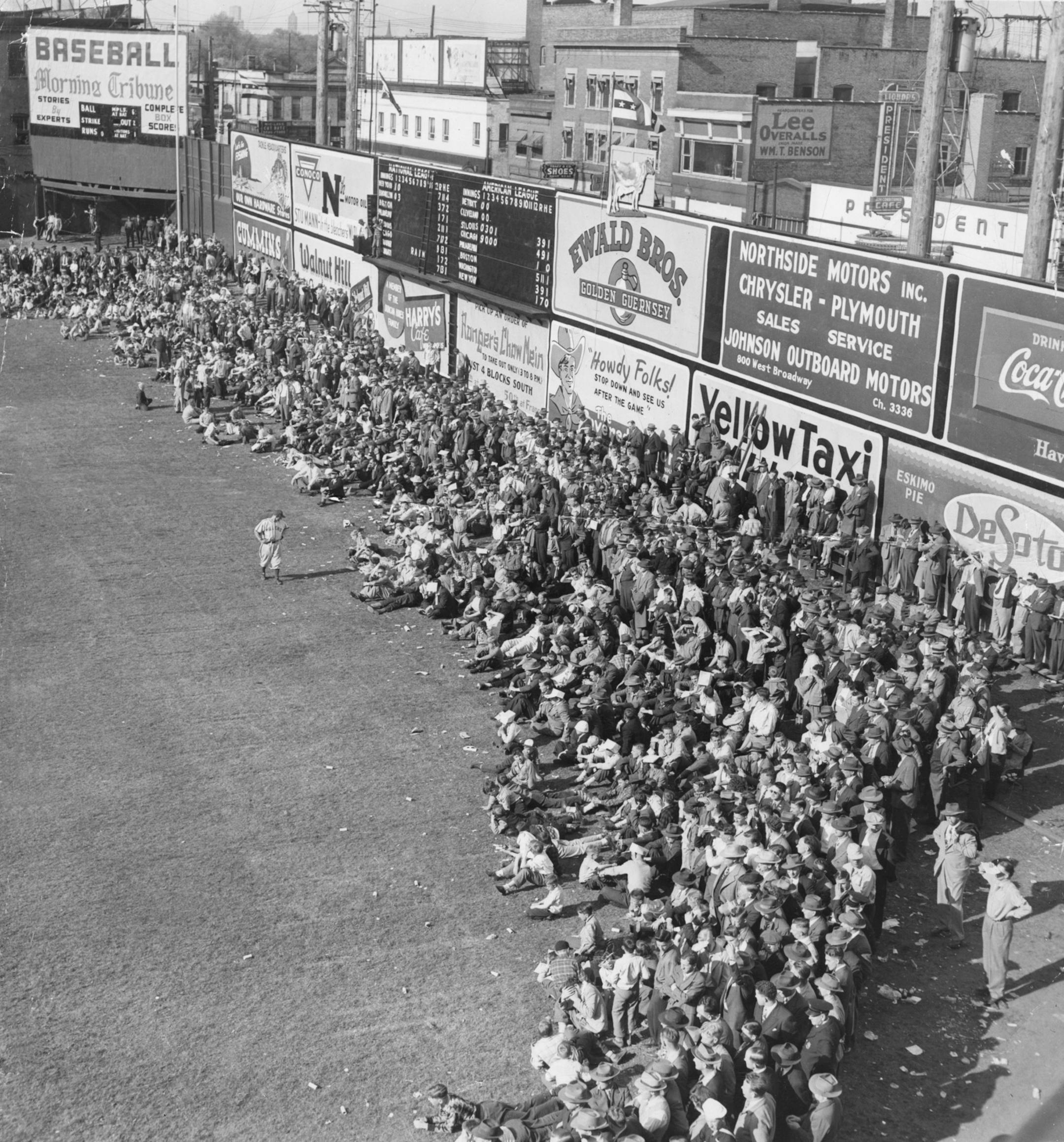
Nicollet Park is mostly forgotten now. "Soggy, foul, rotten and wonderful" was how longtime Star Tribune sportswriter Dave Mona described it. Soaked with the spit of innumerable chaw wads, dusted with the ash of a million cigars, it was a creaky, sprawling facility, surrounded by houses, where you could sit on the front porch and hear the roars of delight and dismay.

By the early 1950s, it was as careworn as the rest of Minneapolis, tired as the streetcars that would soon give way to buses. The city was yesterday. The suburbs were tomorrow.

The suburban frontier

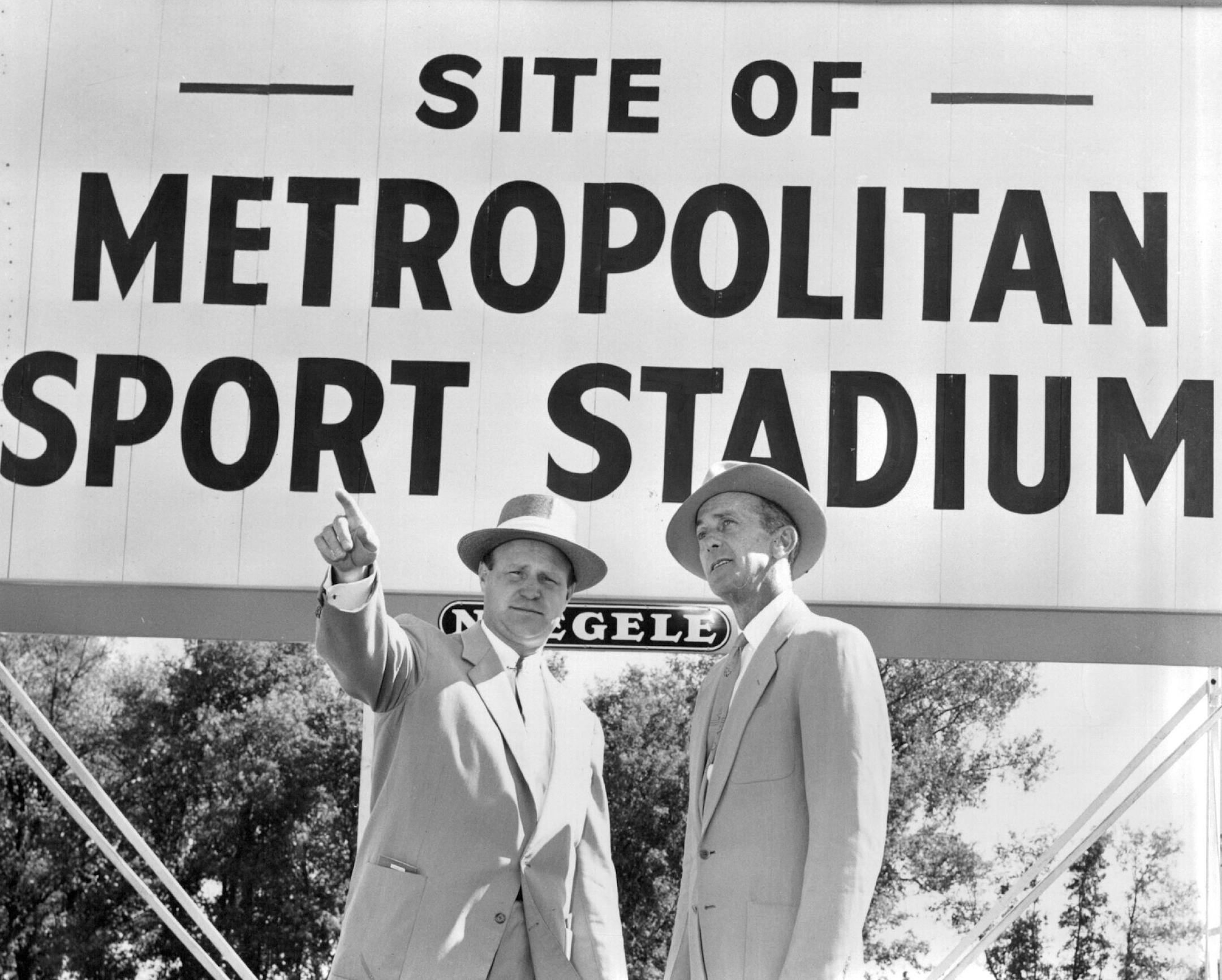
Built in Bloomington, equidistant from Minneapolis and St. Paul, Metropolitan Stadium was a perfect example of Minnesota Nice: a stadium for everyone. (Funny story: The 1955 groundbreaking was delayed by the farmer who owned the land. He lined up his tractors on the site until he got his check.)

The stadium originally was home to the Millers, but everyone knew the facility was bait for a major-league team. In 1960, Washington Senators owner Calvin Griffith announced that he'd move his team to Met Stadium. Goodbye, Millers — hello, Minnesota Twins.

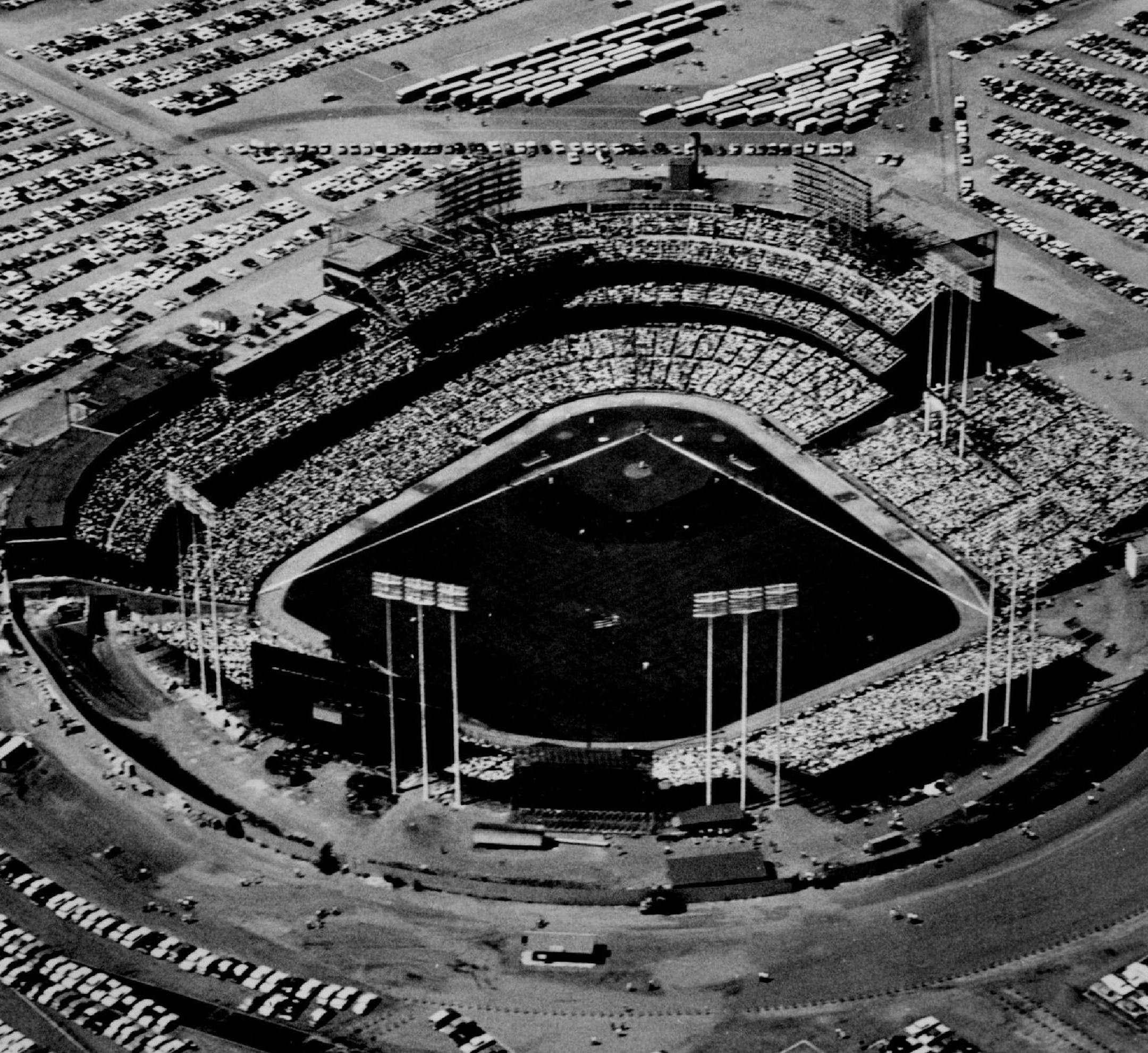
Bloomington was the right place at the right time. The building of Interstate 494, which began in the late 1950s, provided easy access to the open, promising lands of suburbia. Subdivisions were unspooling in the fields, strip malls were springing up along new arteries and Southdale, which represented the future of retail, was just a few miles away.

It makes sense that a new stadium would rise there, not to try to revitalize a derelict neighborhood, but to capitalize on the frontier spirit.

Moving back downtown

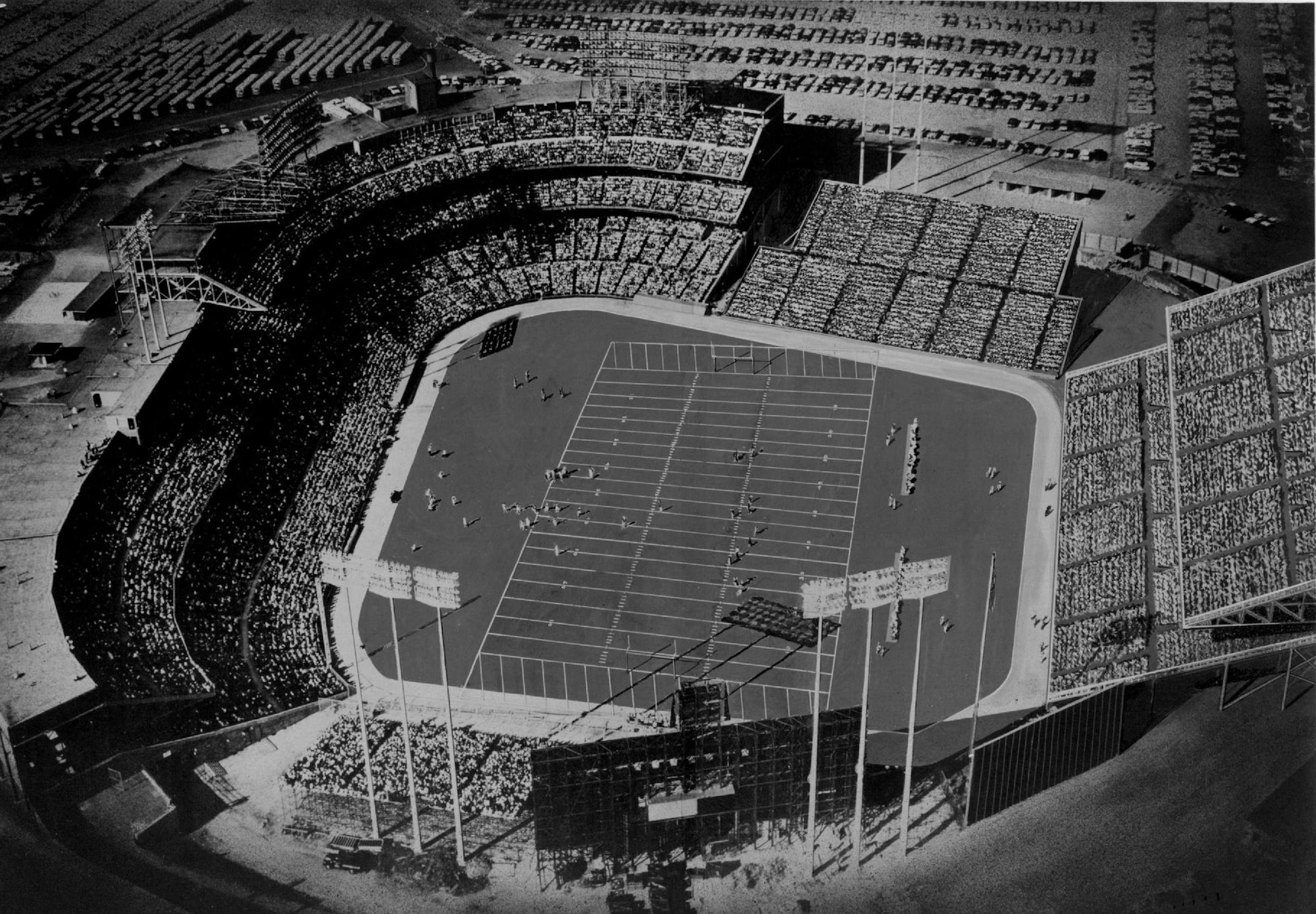
In 1971, the NFL declared that stadiums with fewer than 50,000 seats were no longer adequate. Since the Met could crowd in only a few souls over 48,000 when configured for football, the NFL effectively jump-started the push for a new facility.

If the Met's location was chosen with an eye to where growth was headed, the Metrodome's location was intended to spark a return to the city.

In the closing years of the 1970s, downtown Minneapolis was experiencing a tentative renaissance, with new office towers and retail complexes. Building the Dome would be a sure sign that downtown was back on top. Boosters predicted the area would bloom with bars and restaurants, tax money would gush into the city's vaults and a derelict area of downtown would be reborn.

We got one (yes, one) bar and a place that sold T-shirts.

Why? Blame design.

The Metrodome failed to revive the area because it was the architectural equivalent of a cold shoulder. No windows, no ornamentation, small portals for humans to scuttle in and out like roaches. Nothing about the building connected it to anything else. The Pontiac Silverdome in Michigan was another example from the same era — an unfriendly bunker dropped in a depressed area.

The idea was grand, idealistic and doomed to fail.

A stadium will not bring back the dead. The Xcel Center didn't revitalize its neighborhood in St. Paul for the same reason that heart-attack paddles don't work on a statue. The new soccer arena in the Midway will have a salutary effect because the area's already alive.

But a stadium can give a boost to a neighborhood on its way up.

Target Field works because the North Loop had already developed into a dense residential area. Even though it's in the same spot as the Metrodome, U.S. Bank Stadium works now because Washington Avenue and the Mill District are loaded with condos and apartments. Thanks to the Commons park, the Wells Fargo office towers, and the residential units around the area, there's life around the stadium even when there's no game.

Plus, the stadium acts like an enormous window, connecting it to downtown: a place where people work, live and play.

U.S. Bank Stadium is something rare in urban development: a second chance.

And this time, it worked.

James Lileks • 612-673-7858 • @Lileks


October 4, 1987 Nicollet Park, left, with its short right field fence, housed the Minneapolis Millers during their glory years. October 27, 1969 October 18, 1990
October 4, 1987 Nicollet Park, left, with its short right field fence, housed the Minneapolis Millers during their glory years. October 27, 1969 October 18, 1990 (The Minnesota Star Tribune)
Minneapolis Times cutline of April 30, 1946 / HEY, WHO'S PLAYING WHOM? There were 15,761 paid fans at Nicollet park yesterday as the (Minneapolis) Millers and St. Paul (Saints) tangled in a twin bill, the Saints winning both games to drop the Millers from second to furth place in the AA standings. Tommy Lee, Times photographer, snapped these crowd shots during the first game.
Minneapolis Times cutline of April 30, 1946 / HEY, WHO’S PLAYING WHOM? There were 15,761 paid fans at Nicollet park yesterday as the (Minneapolis) Millers and St. Paul (Saints) tangled in a twin bill, the Saints winning both games to drop the Millers from second to furth place in the AA standings. Tommy Lee, Times photographer, snapped these crowd shots during the first game. (The Minnesota Star Tribune)
Star Tribune file photo of spectators in the outfield at Nicollet Park, home field of the Minneapolis Millers. Photo undated.
Star Tribune file photo of spectators in the outfield at Nicollet Park, home field of the Minneapolis Millers. Photo undated. (The Minnesota Star Tribune)
Nicollet Park, home of the Minneapolis Millers baseball team. Star Tribune file photo not dated, 1930s or 1940s.
Nicollet Park, home of the Minneapolis Millers baseball team. Star Tribune file photo not dated, 1930s or 1940s. (The Minnesota Star Tribune)
September 7, 1955 Norm McGrew, left, of the Chamber of Commerce Sports and Attractions committee, points out the layout of the Metropolitan sports stadium to Matty Schwab, head groundskeeper at the Polo Grounds in New York. Schwab is here to assist installation of the playing field at the Bloomington park. September 9, 1955 Minneapolis Star Tribune
September 7, 1955 Norm McGrew, left, of the Chamber of Commerce Sports and Attractions committee, points out the layout of the Metropolitan sports stadium to Matty Schwab, head groundskeeper at the Polo Grounds in New York. Schwab is here to assist installation of the playing field at the Bloomington park. September 9, 1955 Minneapolis Star Tribune (The Minnesota Star Tribune)
January 15, 1973 Metropolitan Stadium home of the Vikings until 1981, yielded $300,000 to $400,000 a year in admissions -tax money that went to promote Bloomington's hotel and reentrant industry. Metropolitan Stadium - are its pro football days numbered? January 23, 1992 February 15, 1965 Minneapolis Star Tribune
January 15, 1973 Metropolitan Stadium home of the Vikings until 1981, yielded $300,000 to $400,000 a year in admissions -tax money that went to promote Bloomington’s hotel and reentrant industry. Metropolitan Stadium - are its pro football days numbered? January 23, 1992 February 15, 1965 Minneapolis Star Tribune (The Minnesota Star Tribune)
January 13, 1963 Metropolitan Stadium in Bloomington - Minnesota Twins drew 1, 443, 166 March 27, 1962 January 7, 1963 January 9, 1963 Minneapolis Star Tribune
January 13, 1963 Metropolitan Stadium in Bloomington - Minnesota Twins drew 1, 443, 166 March 27, 1962 January 7, 1963 January 9, 1963 Minneapolis Star Tribune (The Minnesota Star Tribune)
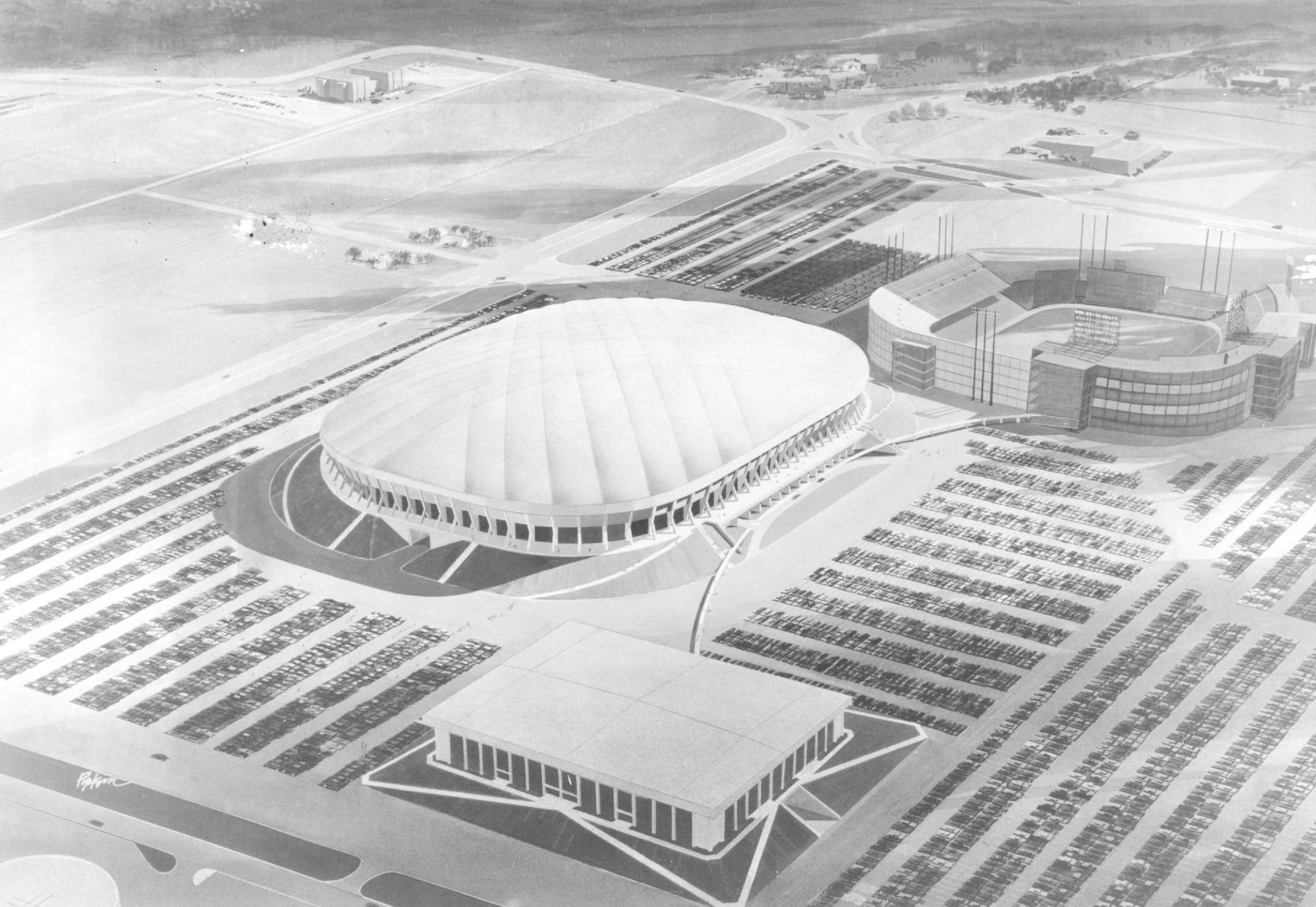
January 26, 1977 How a Domed Stadium Might Appear In Bloomington Estimated cost of facility with a dome is $38 million Minnesota Sports Area Complex (current Metropolitan Sports Area) January, 1977
January 26, 1977 How a Domed Stadium Might Appear In Bloomington Estimated cost of facility with a dome is $38 million Minnesota Sports Area Complex (current Metropolitan Sports Area) January, 1977 (The Minnesota Star Tribune)
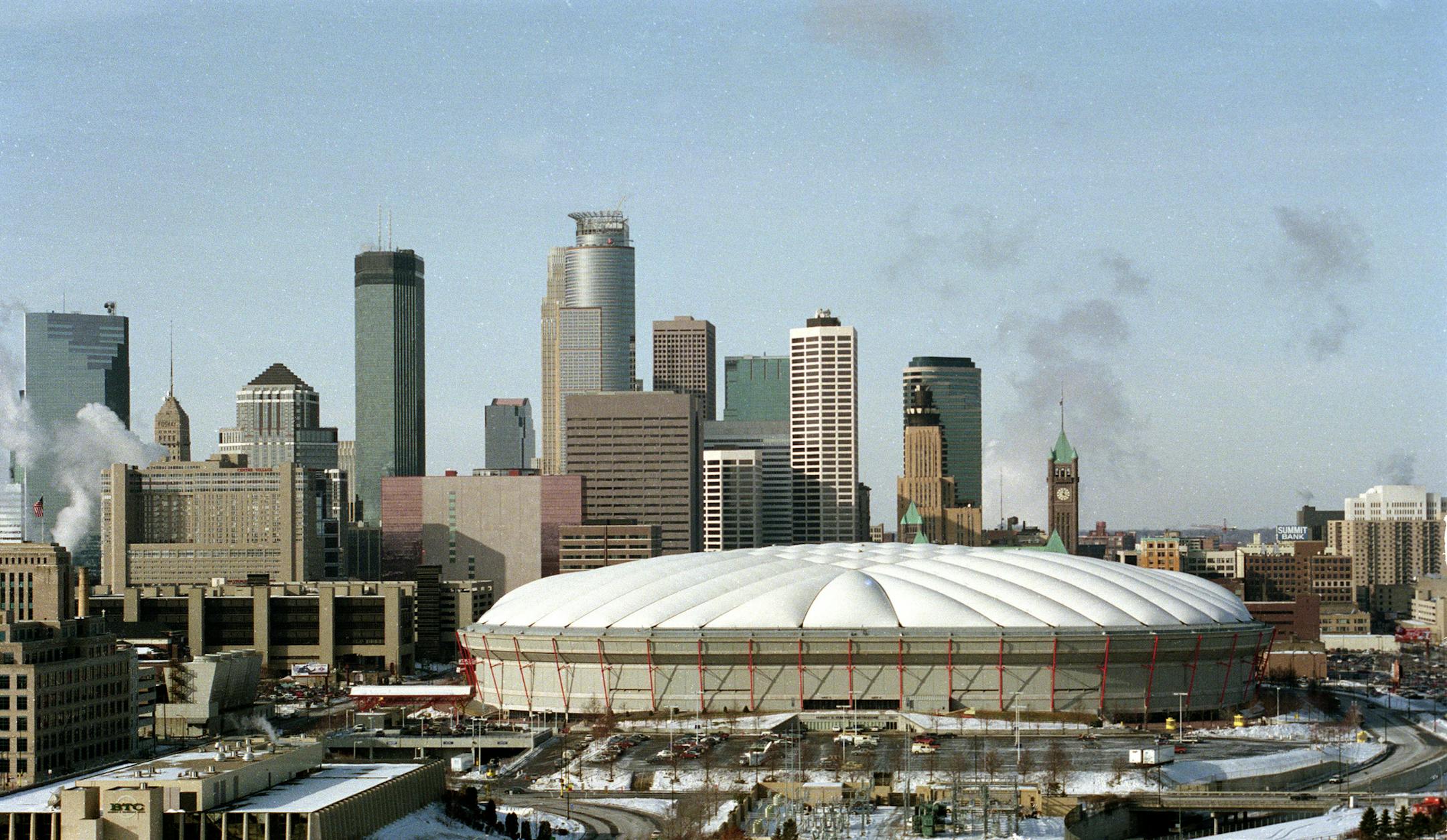
The Hubert H. Humphrey Metrodome, featuring an air-supported dome, in Minneapolis, Minn., is shown in Jan. 1992. The stadium is home to the Minnesota Twins baseball team of the American League and the Minnesota Vikings of the National Football League. (AP Photo/Larry Salzman) ORG XMIT: APHS111
The Hubert H. Humphrey Metrodome, featuring an air-supported dome, in Minneapolis, Minn., is shown in Jan. 1992. The stadium is home to the Minnesota Twins baseball team of the American League and the Minnesota Vikings of the National Football League. (AP Photo/Larry Salzman) ORG XMIT: APHS111 (The Minnesota Star Tribune)
At around 7:30 a.m., parts of the Metrodome were imploded to accelerate its demolition and address safety concerns of beams falling out of sequence . ]richard tsong-taatarii/rtsong-taatarii@startribune.com ORG XMIT: MIN1402230817340633
At around 7:30 a.m., parts of the Metrodome were imploded to accelerate its demolition and address safety concerns of beams falling out of sequence . ]richard tsong-taatarii/rtsong-taatarii@startribune.com ORG XMIT: MIN1402230817340633 (The Minnesota Star Tribune)
Star Tribune building and surrounding land near the Metrodome which is undergoing demolition to make way for a new stadium. Tuesday, February 11, 2014 ] GLEN STUBBE * gstubbe@startribune.com ORG XMIT: MIN1402111625570237
Star Tribune building and surrounding land near the Metrodome which is undergoing demolition to make way for a new stadium. Tuesday, February 11, 2014 ] GLEN STUBBE * gstubbe@startribune.com ORG XMIT: MIN1402111625570237 (The Minnesota Star Tribune)
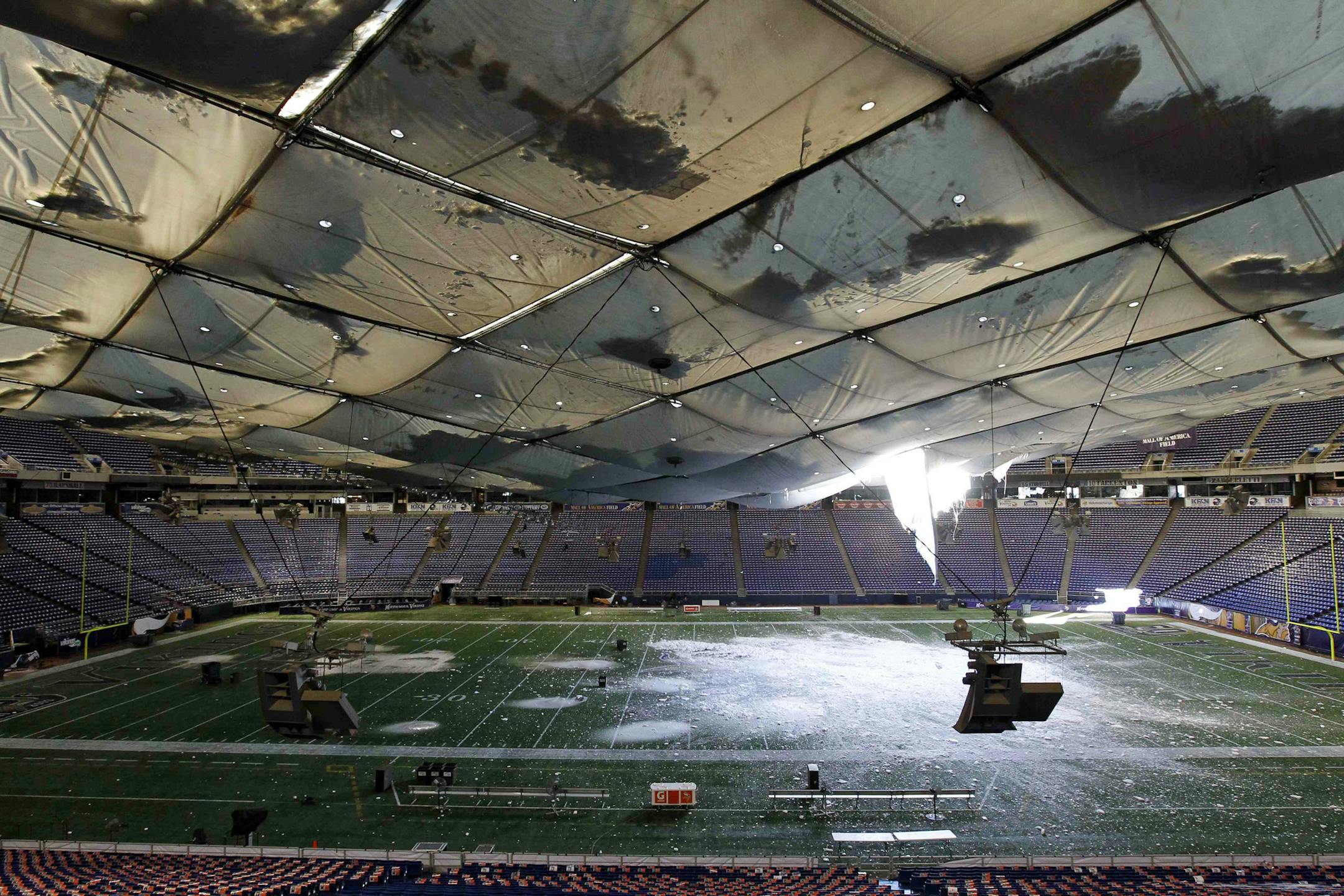
FILE - In this Dec. 12, 2010, file photo, snow falls into the field from a hole in the collapsed roof of the Metrodome in Minneapolis. The landlords of the Metrodome voted unanimously Thursday, Feb. 10, 2011, to replace the snow-damaged roof of the venerable stadium, opting for a more time-consuming fix that could disrupt the Minnesota Vikings preseason schedule. (AP Photo/Ann Heisenfelt, File) ORG XMIT: MIN2013121717125364
FILE - In this Dec. 12, 2010, file photo, snow falls into the field from a hole in the collapsed roof of the Metrodome in Minneapolis. The landlords of the Metrodome voted unanimously Thursday, Feb. 10, 2011, to replace the snow-damaged roof of the venerable stadium, opting for a more time-consuming fix that could disrupt the Minnesota Vikings preseason schedule. (AP Photo/Ann Heisenfelt, File) ORG XMIT: MIN2013121717125364 (The Minnesota Star Tribune)
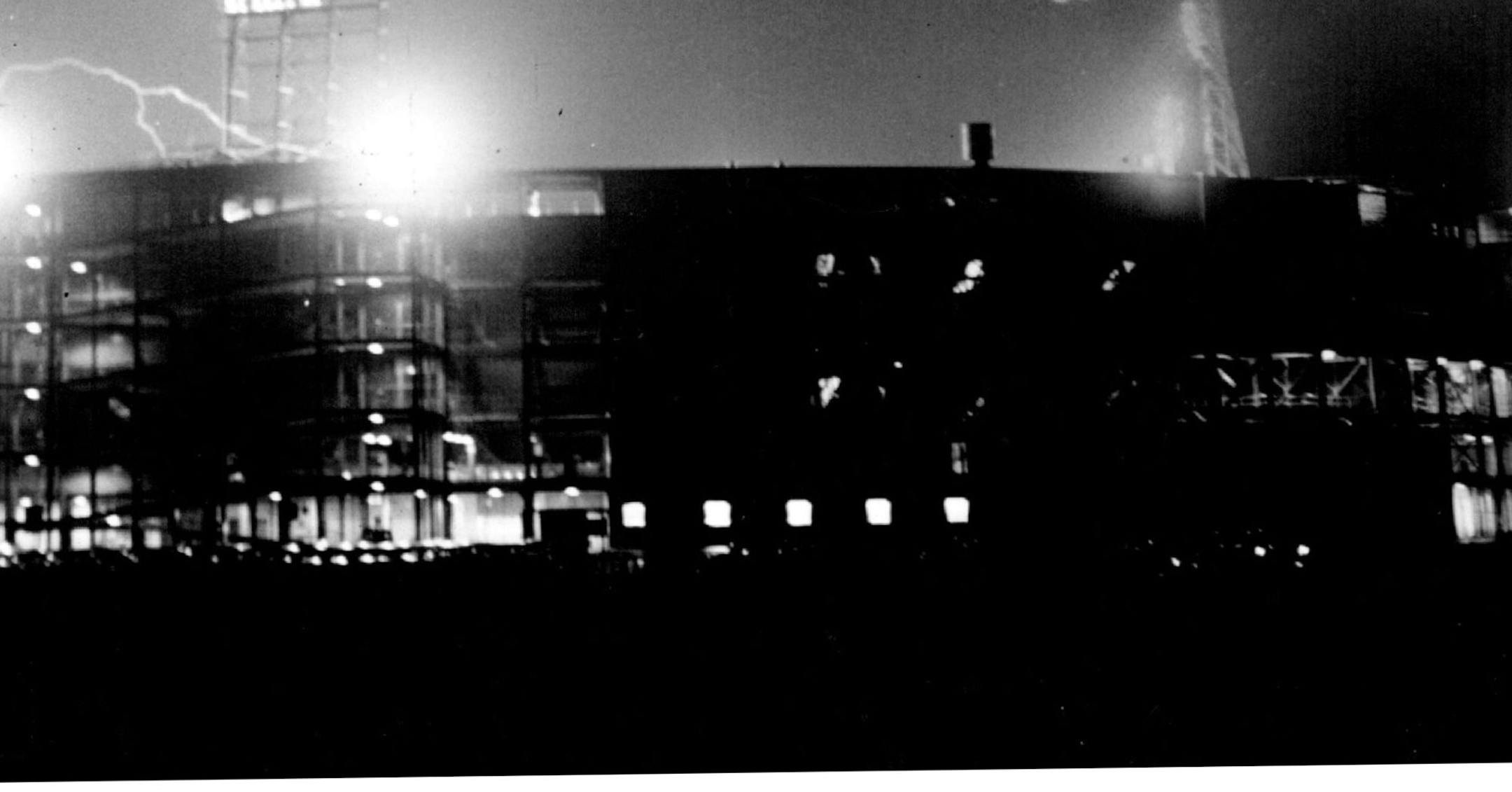
August 29, 1956 Lightning flashes over metropolitan stadium as wind, rain hit twin cities area, delaying miller's 7-to-o Loss To Omaha. September 16, 1956 Minneapolis Star Tribune
August 29, 1956 Lightning flashes over metropolitan stadium as wind, rain hit twin cities area, delaying miller’s 7-to-o Loss To Omaha. September 16, 1956 Minneapolis Star Tribune (The Minnesota Star Tribune)
US Bank Stadium, the site of Super Bowl LII on Feb. 4, in Minneapolis, Jan. 19, 2018. Officials like to tout the economic boost a Super Bowl provides the hosting city, but economists say their numbers don’t add up. (Tim Gruber/The New York Times)
From top: Nicollet Park in Minneapolis was home to the Minneapolis Millers baseball team. Flash forward several decades past the Metropolitan Stadium years, and the local pro teams were back in Minneapolis, playing in the Hubert H. Humphrey Metrodome. And now the Vikings call U.S. Bank Stadium home. Photos by Star Tribune, Associated Press (The Minnesota Star Tribune)
about the writer

about the writer

James Lileks

Columnist

James Lileks is a Star Tribune columnist.

See Moreicon

More from No Section

See More
FILE -- A rent deposit slot at an apartment complex in Tucker, Ga., on July 21, 2020. As an eviction crisis has seemed increasingly likely this summer, everyone in the housing market has made the same plea to Washington: Send money — lots of it — that would keep renters in their homes and landlords afloat. (Melissa Golden/The New York Times) ORG XMIT: XNYT58
Melissa Golden/The New York Times

It’s too soon to tell how much the immigration crackdown is to blame.