

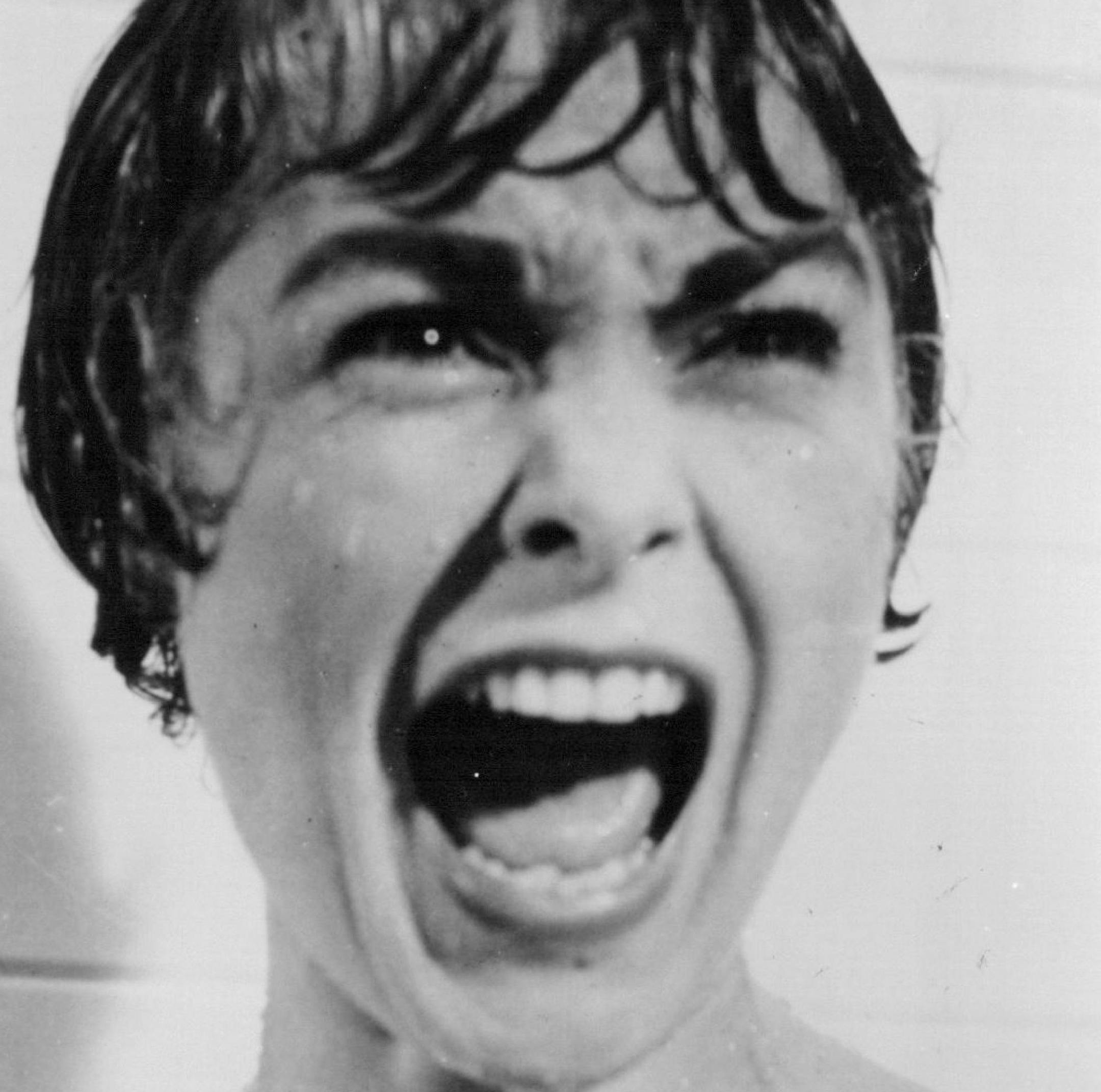
Who first said, "Boo!"?
Was it some Fred who knew that Wilma jumped when he growled like a saber-toothed tiger? An early Crusader who liked to surprise the kids upon his return home? A sly Juliet creeping up behind Romeo as he stared at the balcony?
No one knows, although it's safe to say that there always have been those who hate being scared, those who love being scared and those who do the scaring. At no time of year is this difference more dramatic than at Halloween, when one person's gore-bedecked party attire is another's worst nightmare.
Touring a haunted house can invoke eye-rolls or shrieks, depending on what people expect to encounter, or have grown used to encountering, or whether they were talked into coming along against their better instincts.
So why do some people seek out sensations that are spooky or creepy or outright horrific, while others will jaywalk to avoid a spider web?
It all has to do with — bwahahaha — their brains.
Justin Boseck is a clinical neuropsychologist who long ago became fascinated with how brains work, and how different each brain is from another.
"Each person's perception of something can be completely different from the next person's," he said. "You can perceive an adrenaline rush as a good thing and as stimulating, or as anxiety-producing and nerve-racking. It's how we're wired."


