On a sunny winter day in Denver — the kind that beckons you outside — my sister, mother and I headed for a daylong adventure indoors.
After exploring picturesque mountain towns and quintessential Colorado scenery, we explored a new trend that's taking off in the Mile High City: food halls.
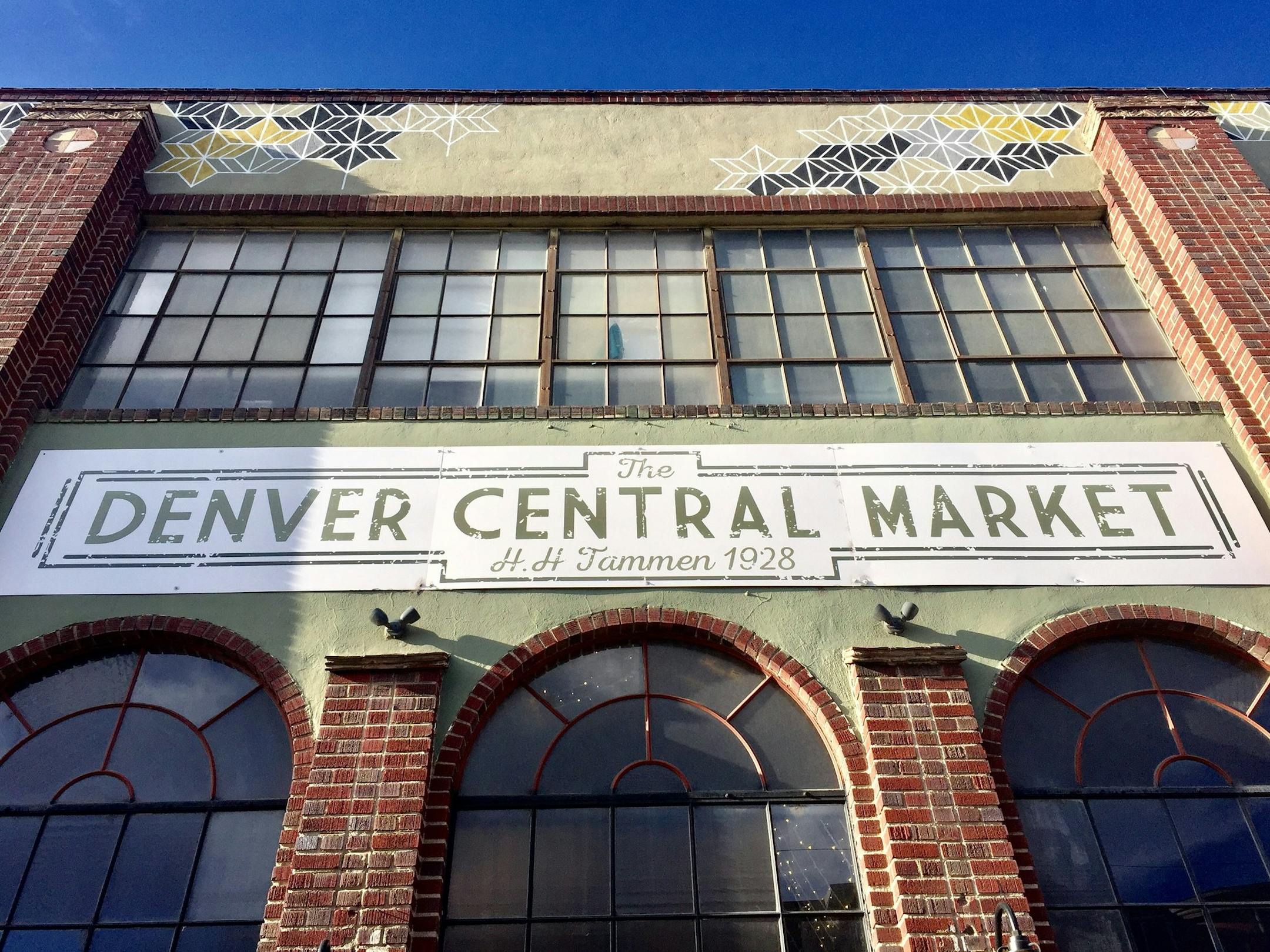
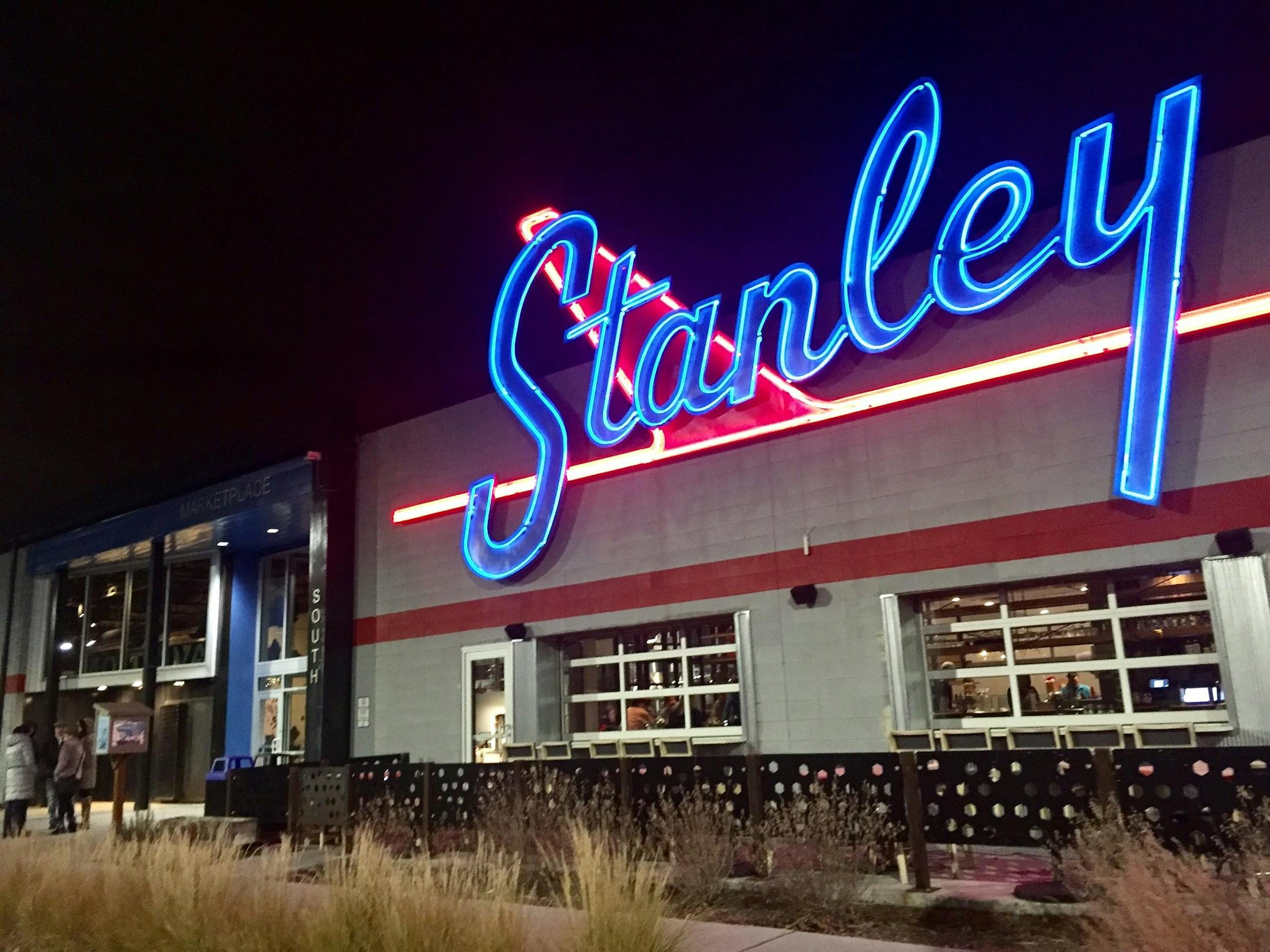
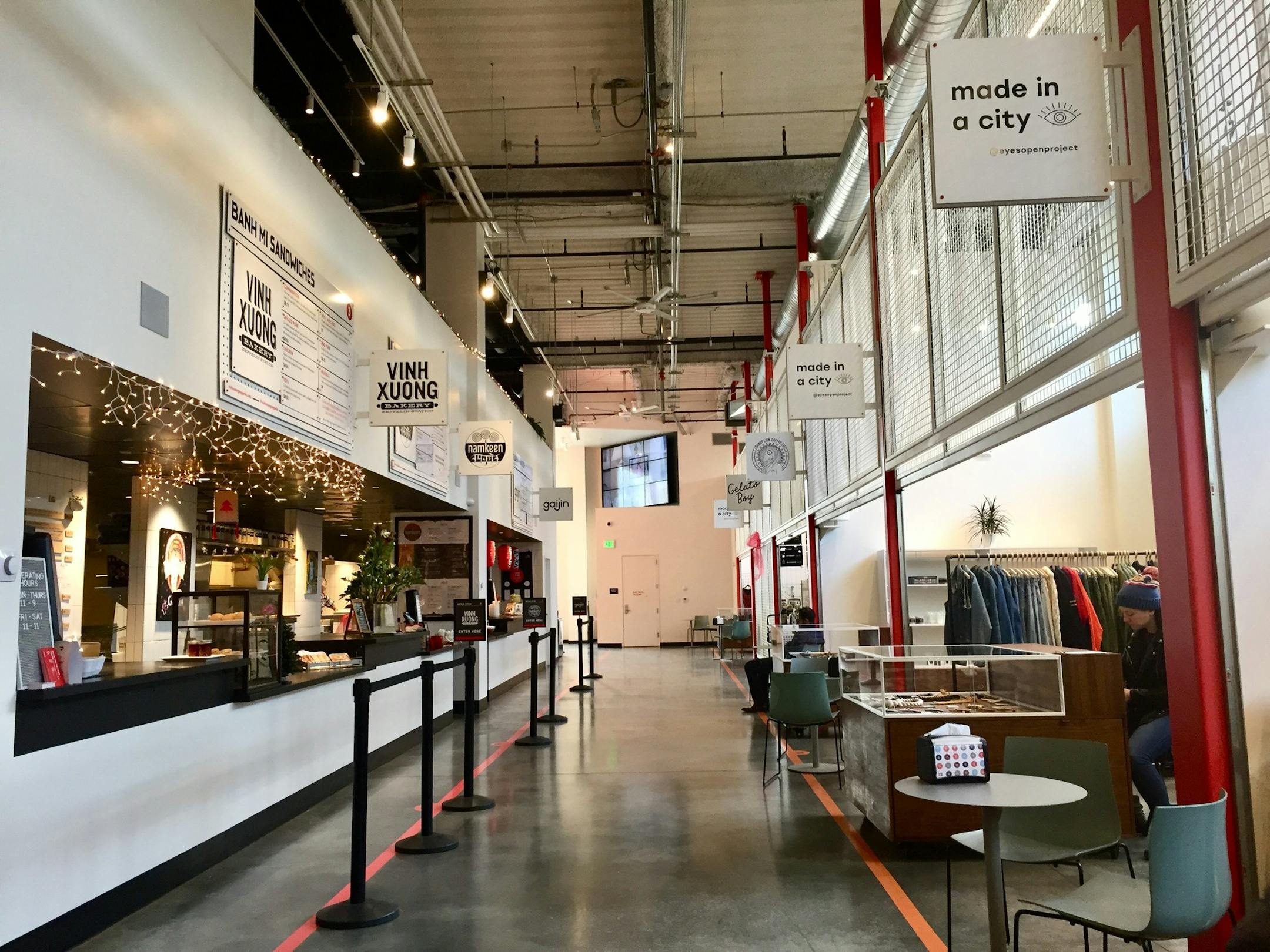
Seven food halls have popped up across Denver in recent years and more are planned for 2019 as they become the epicenter for all things local — from gift shops to restaurants and craft beer.
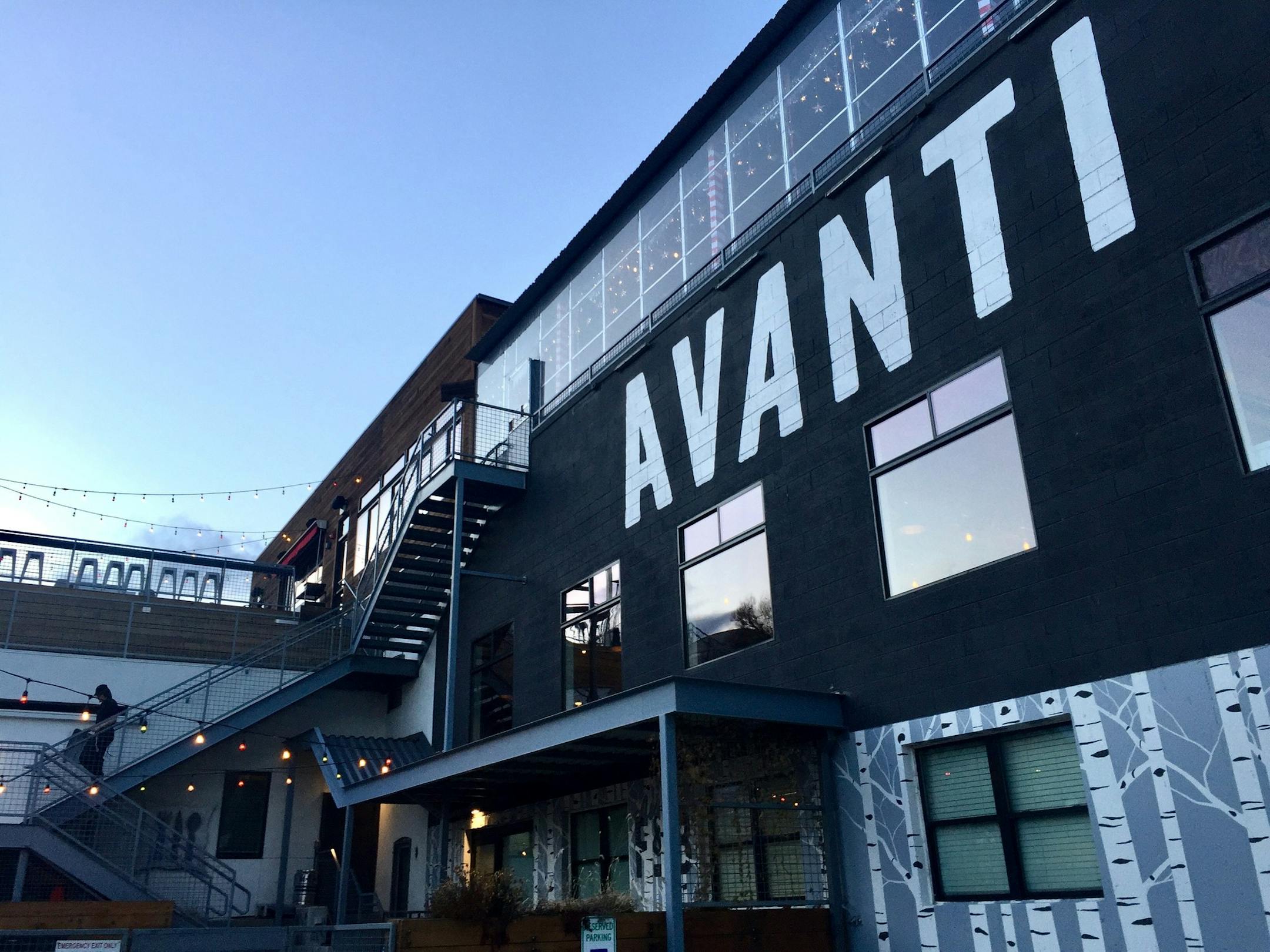
"Denver is so millennial, so hipster," said my sister Megan, a Minnesota native and Denver transplant, as we walked an alley marked with Instagram-worthy quotes and art displays outside one market.
From Minneapolis to Manhattan, the urban food hall trend has exploded across the country. A Cushman & Wakefield report estimates there will be 300 food halls nationwide by 2020, tripling the number in just five years. Like the expanding industry of breweries and distilleries, food halls focus on hyperlocal businesses and are becoming destinations for residents and tourists looking for uniquely local experiences all in one spot.
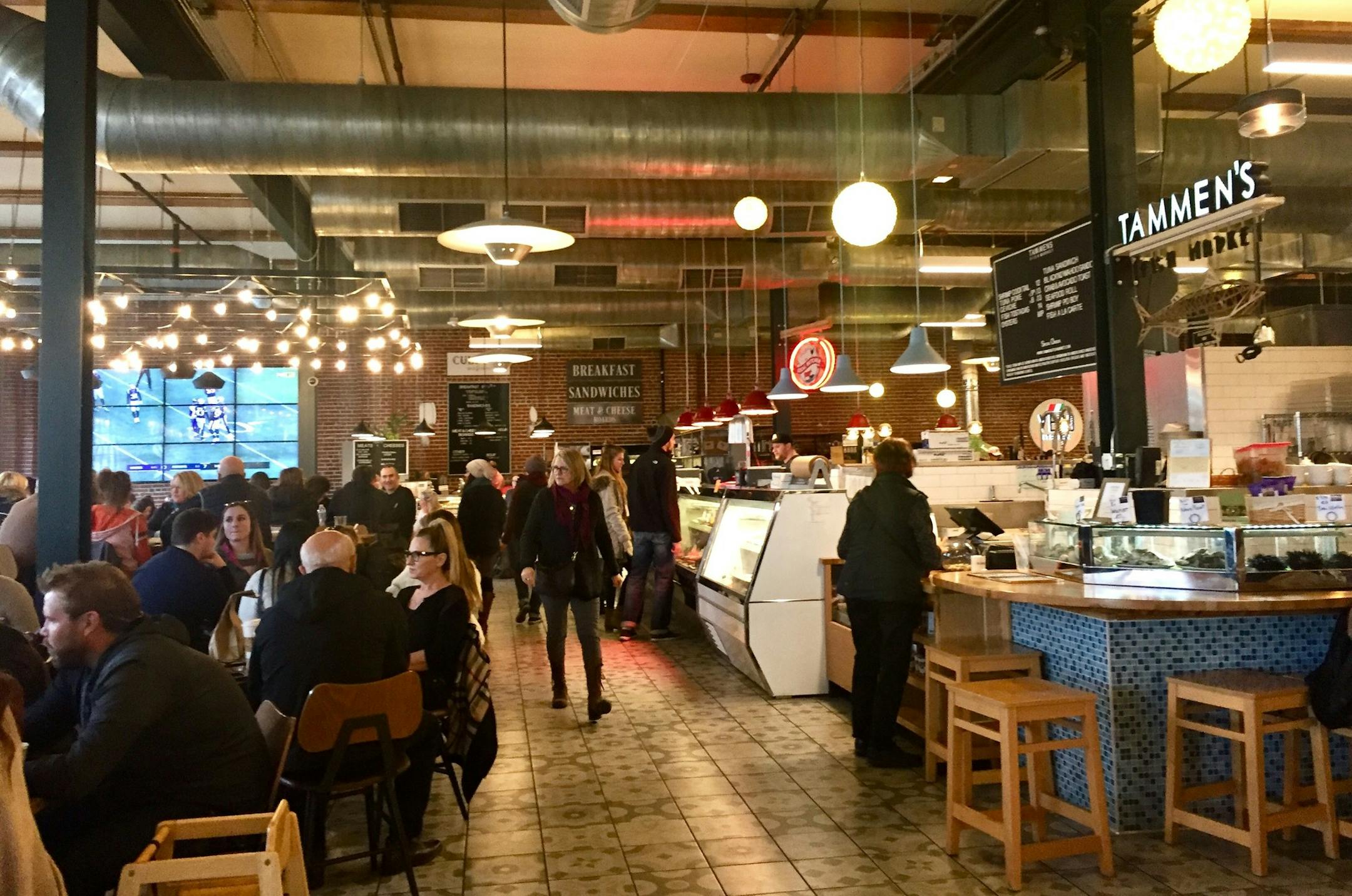
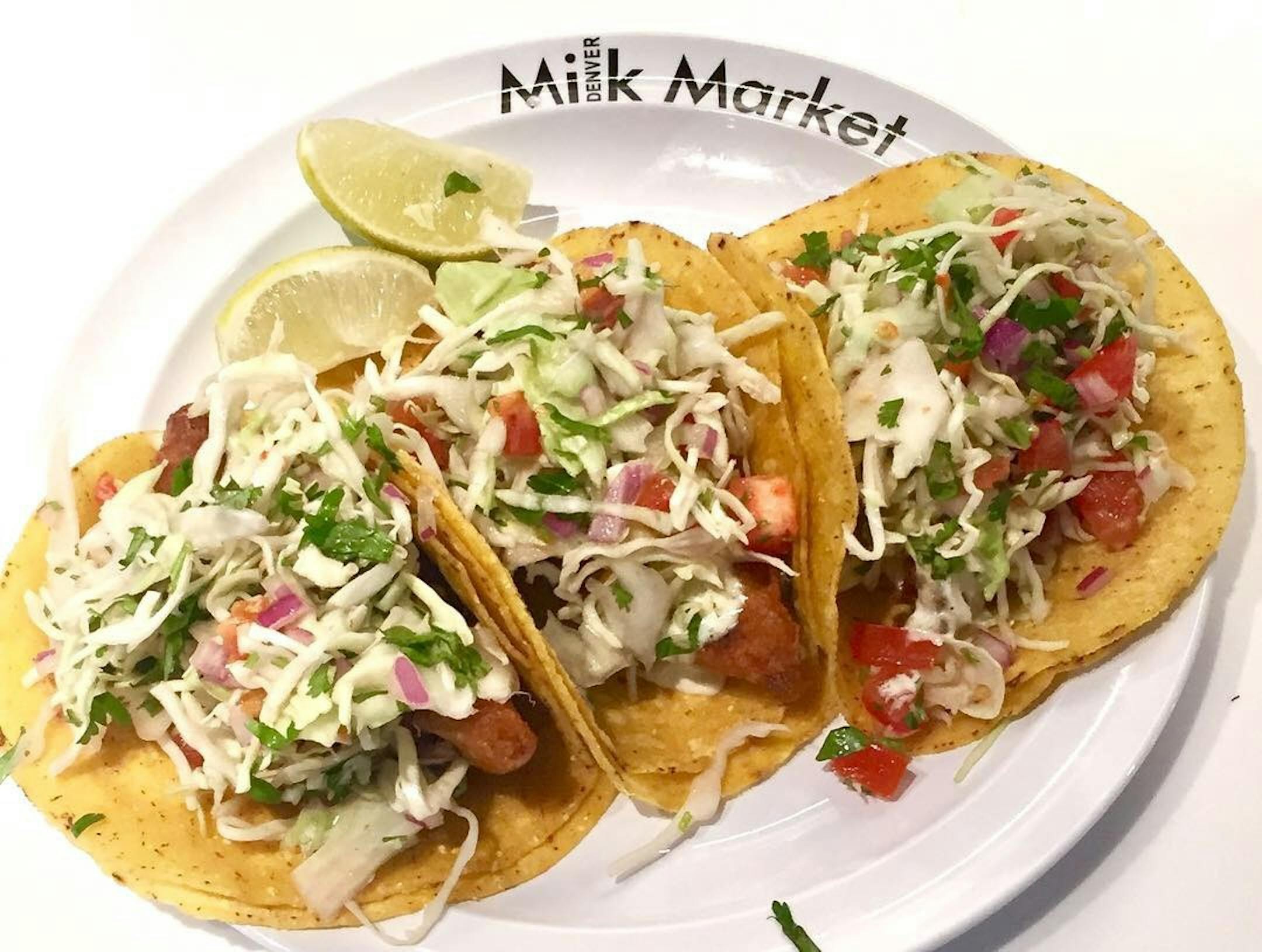
Our first stop was Denver Milk Market, with more than a dozen vendors in downtown's Dairy Block, named for the dairy company it once housed. We ordered fish tacos and watched millennials crowd the market's bar to play bingo while keeping an eye on the Broncos game televised overhead. As cheers and jeers from the football fans erupted, a nearby vendor doled out gelato while another dished up slices of pizza. It felt like a circular, bustling European market.
As we toured the city's food halls, our mother was more skeptical of the latest foodie movement.
"It's a collective — it's supposed to be where you can get all your stuff," my sister said, pointing out the liquor store, art gallery, coffee shop and restaurant at our next stop.