

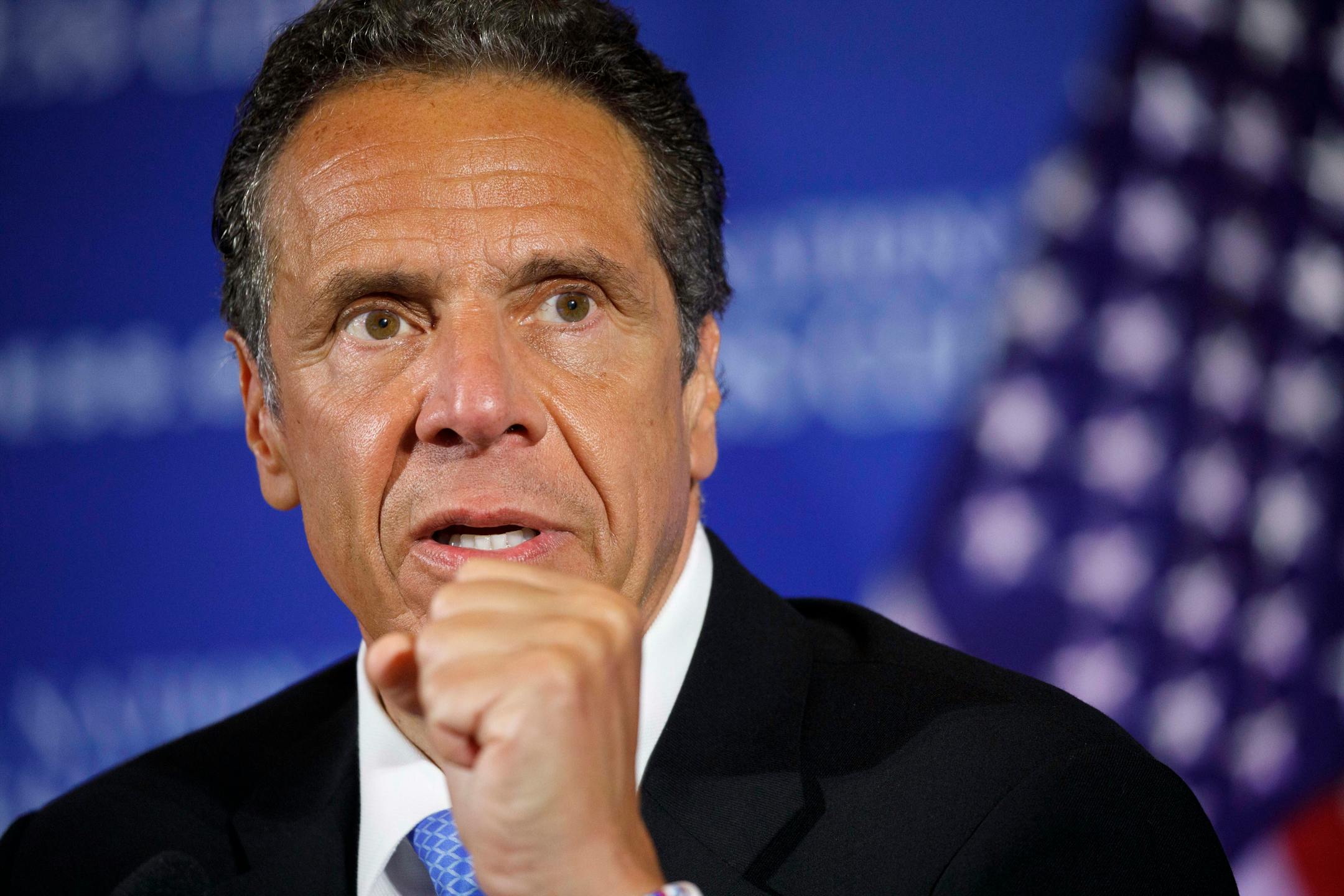
It seems obvious enough that Gov. Andrew Cuomo of New York did what his former aide Charlotte Bennett said he did. Bennett, 25, told the New York Times that, among other things, Cuomo asked her if she ever had sex with older men, complained about being lonely and wanting a hug, and said he would date someone in her 20s.
"I understood that the governor wanted to sleep with me, and felt horribly uncomfortable and scared," she said.
Bennett memorialized her discomfort in texts to friends and family. She met with Cuomo's chief of staff, after which she accepted a transfer to a job on the other side of the Capitol from the governor's office. She said she gave a statement to a special counsel to the governor, Judith Mogul, and she showed the Times a text from Mogul alluding to their meeting, if not its content.
And Cuomo hasn't denied Bennett's claims. Instead, he has issued a sort-of apology that seems to confirm some of them: "I now understand that my interactions may have been insensitive or too personal and that some of my comments, given my position, made others feel in ways I never intended." He acknowledged comments that "have been misinterpreted as an unwanted flirtation."
Cuomo added that he never "inappropriately touched anybody" or "propositioned anybody." That seemed to be a response to another ex-aide, Lindsey Boylan, who first accused Cuomo of sexual harassment on Twitter in December and last week said he had kissed her and invited her to play strip poker.
The New York attorney general, Letitia James, will oversee an investigation into all these charges, but that will only delay an eventual reckoning. Given what we know of Bennett's story, it's hard to imagine how an inquiry could exonerate the governor; it can probably only determine the degree and prevalence of his apparent harassment. So eventually, Cuomo's fate will tell us whether there's still power in the #MeToo movement.
My guess is that if this scandal had broken a few years ago, high-profile Democrats would have felt no choice but to call for Cuomo's resignation. Since then, however, a few things have happened. After the killing of George Floyd and the summer's protests, the locus of our culture wars shifted from sex to race. Tara Reade made allegations against Joe Biden, which got national attention but turned out to be full of inconsistencies. And most significantly, among many Democrats, there's tremendous bitterness toward those who pressured Al Franken to leave the Senate in 2018 after he was accused of grabbing several women's butts.
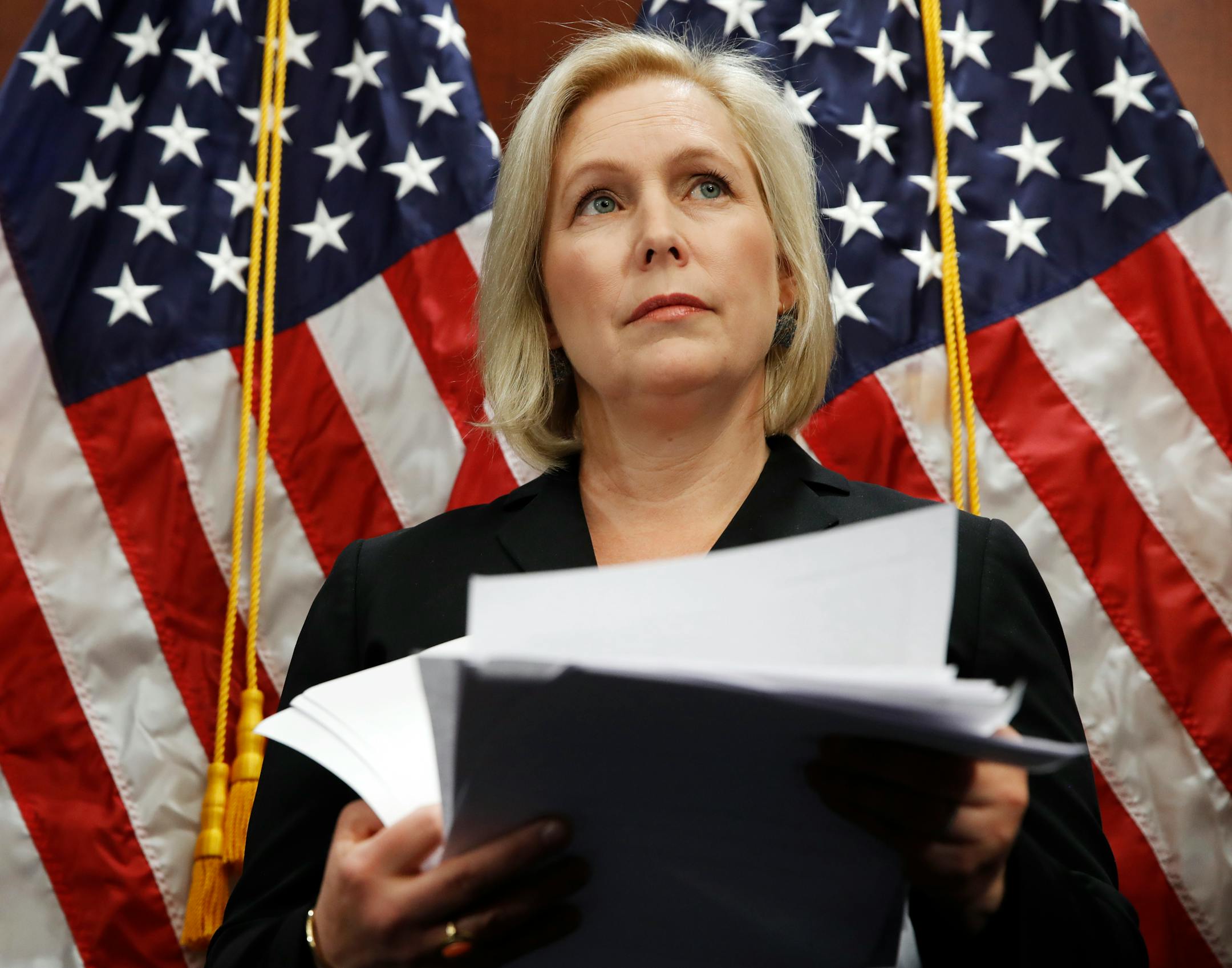
Aside from Franken, the person who paid the biggest political price for that episode was New York's Kirsten Gillibrand, the first senator who called for Franken to step down. As Amber Phillips wrote in the Washington Post in 2019, while there are multiple reasons Gillibrand's 2020 presidential bid sank, "one of the undeniable anchors for her was a sentiment among the Democratic base that she was the reason Al Franken got pushed out of the Senate." So perhaps it's not surprising that, rather than calling on Cuomo to step aside, Gillibrand has joined other Democrats in supporting an investigation.


