

When Nebraska Sen. Ben Sasse addressed the Senate on Jan. 6 just after the insurrection at the U.S. Capitol, he said grandly, "America isn't Hatfields and McCoys, blood feud forever."
Oh no? I wish C-SPAN had cut to the face of West Virginia Democratic Sen. Joe Manchin III. The people of Appalachia don't always take kindly to Hatfield-McCoy references. At least my Appalachian mother, a proud daughter of McDowell County, W.Va., texted me to scoff.
"Of course we are a nation of Hatfields and McCoys," my mountain mama said. "What country is this flatlander Sasse living in?"
Like the iconic warring families of the Civil War era, today's political feuders seem hellbent on prosecuting nonsense grudges at any cost. Coca-Cola boycott anyone? If any nation is a pitched battle with hostilities that seem intractable, it's America of 2021.
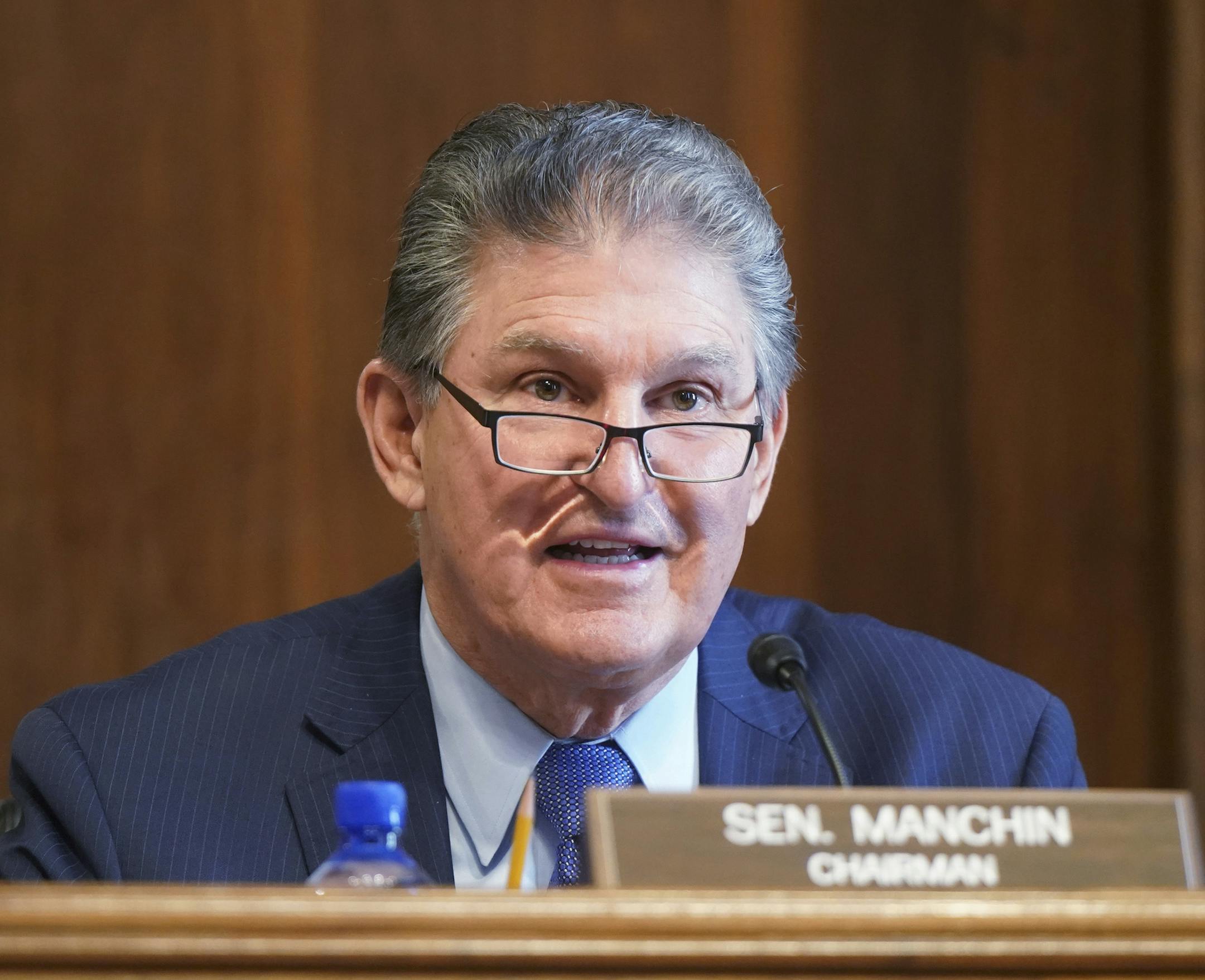
Which brings us to Manchin, sometimes a deciding Democratic vote and therefore arguably the most influential senator in the country. He's also the Democrat whom Democrats most love to hate for his obstruction to President Joe Biden's agenda.
As maddening as he is, his bipartisan triple axel is impressive. How is it even possible that Manchin serves as a Democrat in deep-red West Virginia, which votes Republican 19% more often than the country does? He's like a McCoy repping a Hatfield state.
The surprise shouldn't be that Manchin sometimes votes with Republicans (32.6% of the time during the 116th Congress). The surprise is that fully two-thirds of the time he votes with Democrats. To call him a DINO is erroneous.
If Democrats want a more solid majority, they need to vote more Democrats into the Senate. In the meantime, Manchin is an important centrist voice — and not because he advocates for a bland, Sasse-ian utopia of good manners, but because he's a political code-switcher who deeply understands both his constituency and the issues.


