

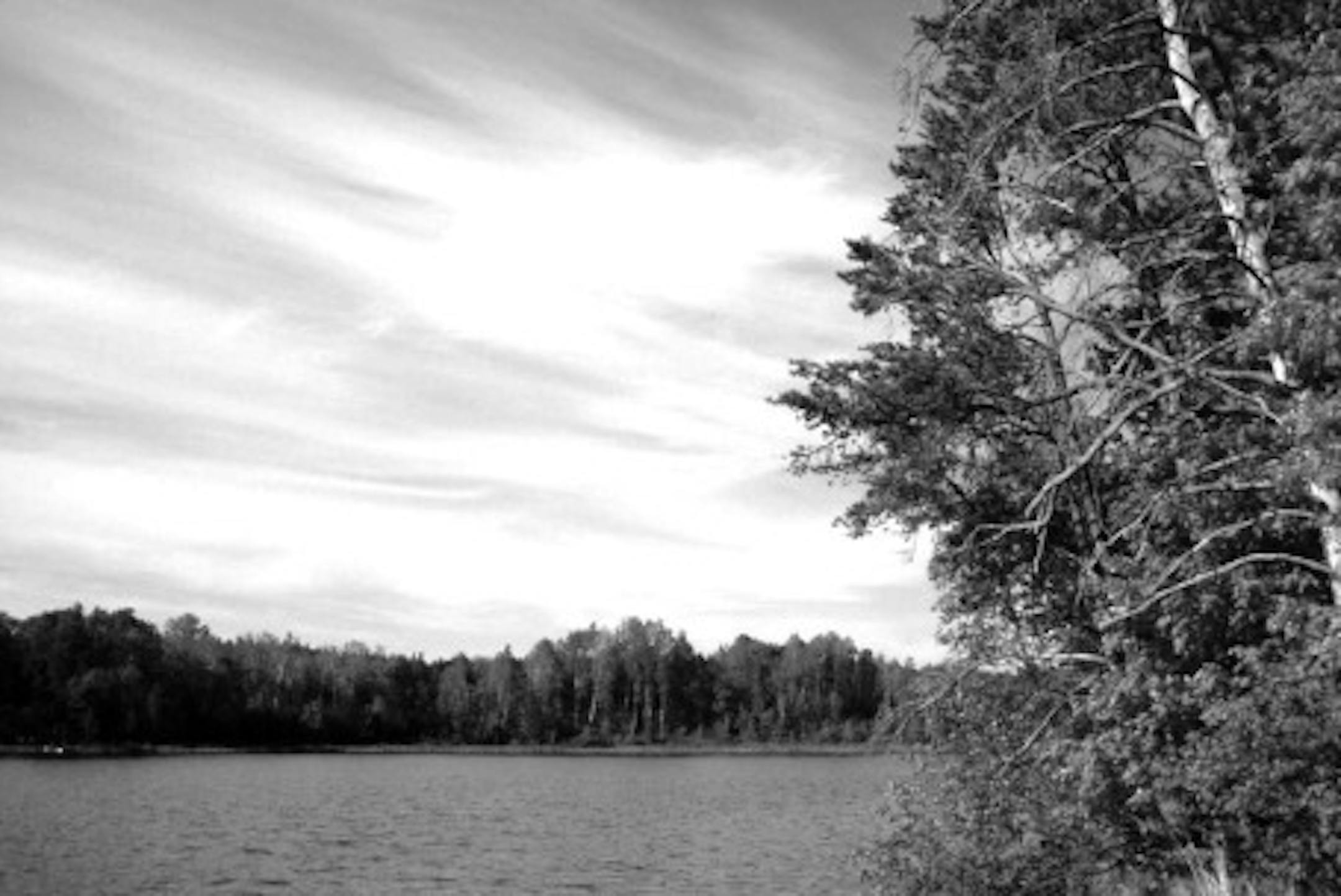
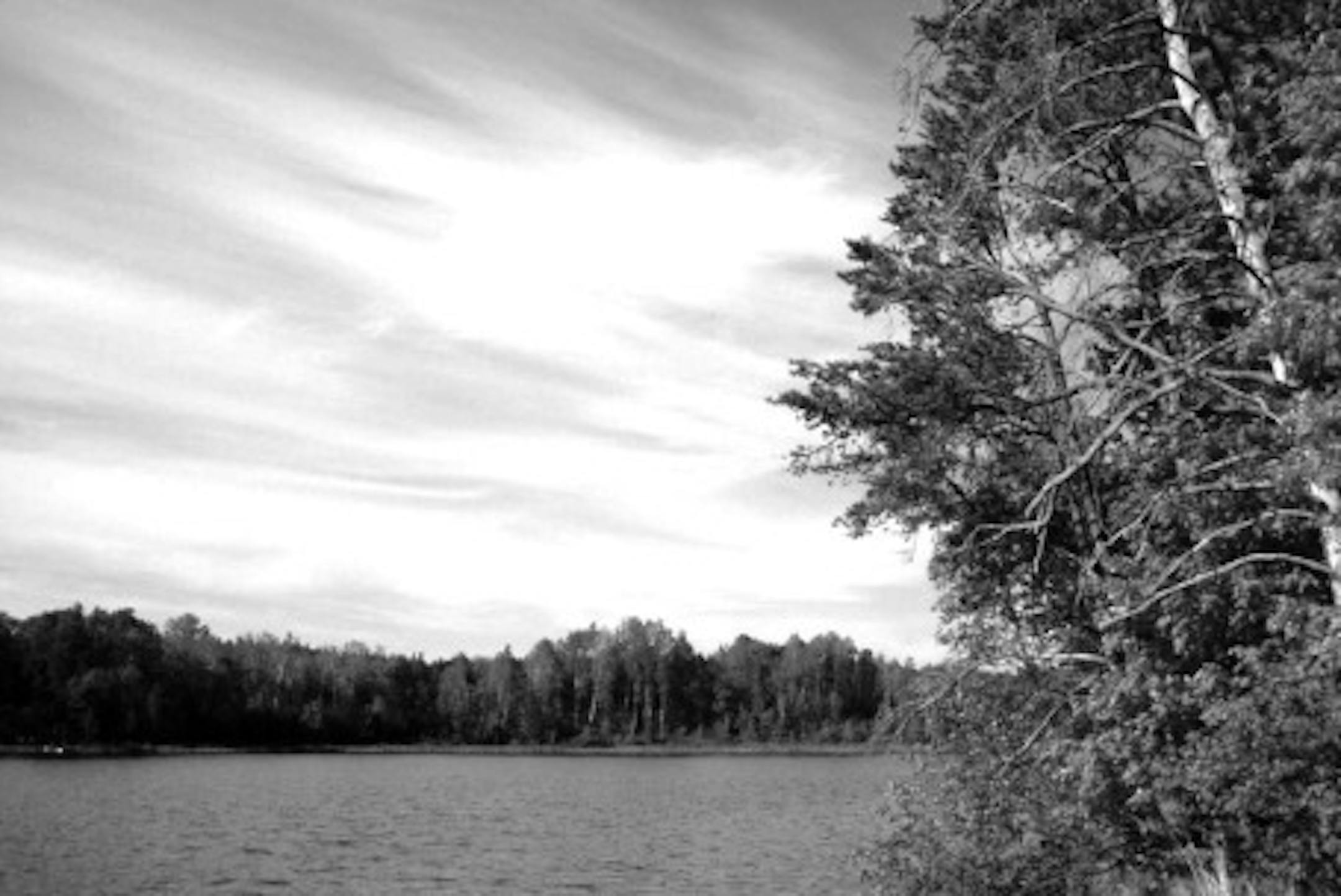
I have been going "up north" my entire life. My favorite get away is in Northwest Wisconsin about an hour south of Lake Superior. It's an area of small spring fed lakes wrapped in a cloak of a young forest. I have been vacationing in that same area for the past 20 years – regularly enough to notice that there have been changes in the woods.
This is an area that has been pretty much the same for 20 years – at least, not much human development. Well, ok, there is a new casino 5 miles away – oh, goodie. The road that I walk on is a bit busier. But the lake itself has seen almost no new development and is as quiet and serene as the day I first laid eyes on it.
Even so, there are changes in the trees. Twenty years ago, the area was mostly populated with pine – Jack, White, Red – you get the picture. Add a sprinkling of poplar or popple (as the locals say) and birch make dense woods in between hundreds of small lakes.
Fast forward 20 years, Mother Nature is replacing diseased or blown down pine with maple and oak. Maple and oak??? Where are my fragrant pine trees??? Where are the popple and birch??? Where is the north woods going???
According to a study by University of Minnesota researchers, the trees are marching north. Yep, just like the Ents in Tolkien's fantasy world of Middle-earth. Unfortunately, this isn't a book or a movie where the trees eventually win. In a generation, my beloved north woods and lakes region will look like central Iowa or Missouri with grasslands and potholes scattered with trees and brush. Urgh!! Not that there is anything wrong with prairie (or Iowa). But it is not the "up north" lakes area that I know and love.
Lee Frelich, study author, calls it a "triple double whammy" of storms, fires and invasive insects (oh my!), caused by warming, that will effectively deforest our woods.
Apparently, it's the bugs and invasive species that survive the latest trend, warmer winters, and flourish by living longer and breeding better. If that isn't bad enough, a growing population of deer will gobble fledgling pine and birch seedlings and earthworms will strip the natural mulch from the landscape allowing less water to soak into the soil leaving tree roots parched. If the trees go can the lakes be far behind?
So what can we do to stop the march of the trees northward? Or at the very least, how can we adapt to this new reality?


