

 1:22
1:22With little of the solemnity of the real thing but with all the seriousness, a handful of soldiers and a group of Minneapolis cops practiced in an isolated corner of Fort Snelling National Cemetery on a recent morning. They removed a flag-draped wooden casket from a hearse, and marched it to a pavilion. They folded the flag into a perfect triangle (nothing but the field of blue and the white stars showing).
Over and over again, they presented the folded flag to a make-believe widow sitting next to a casket with no one in it.
There were no tears and no mourners. No one would be buried. The cops were in their civilian clothes. The soldiers were wearing their informal battle dress uniforms. But the drill had its purpose: to train for a coordinated and dignified presentation for what has turned into a growth industry: military honor guard funerals.
About 4,800 Minnesota veterans are expected to want funerals with military honor guards this year, up by more than 400 from last year. That number is only expected to rise in the coming years as demographic realities hit. The average age of Korean and World War II veterans is above 70, and there are approximately 140,000 Vietnam-era veterans in Minnesota alone.
Despite the steady rise in demand, money for honor guards from veteran service organizations like the American Legion and Veterans of Foreign Wars has been sporadically allocated in the past from the Minnesota Department of Veterans Affairs. State funding was eliminated in 2009 when state budgets were tightened. Federal funding for an Minnesota Army National Guard team has also been cut as the wars in Iraq and Afghanistan have wound down. The Minnesota Guard laid off seven soldiers from its honor guard squads this year.
This year, Minnesota Gov. Mark Dayton has proposed $400,000 in his budget over the next two years to provide stable funding for the veteran organizations' honor guards. It's hoped the greater attention to training and the added funding will attract a younger group of veterans to perform the ceremonies.
"We just want to be able to say, 'If you have the time, we will help you with the training and help reimburse some of your expenses — and that can be your way as a veteran to give back to all veterans,' " said Minnesota VA Commissioner Larry Shellito.
Dayton's proposal has proceeded with little debate. The provision is part of a $124.6 million budget request for the state VA that is scheduled for a key legislative committee hearing this week.
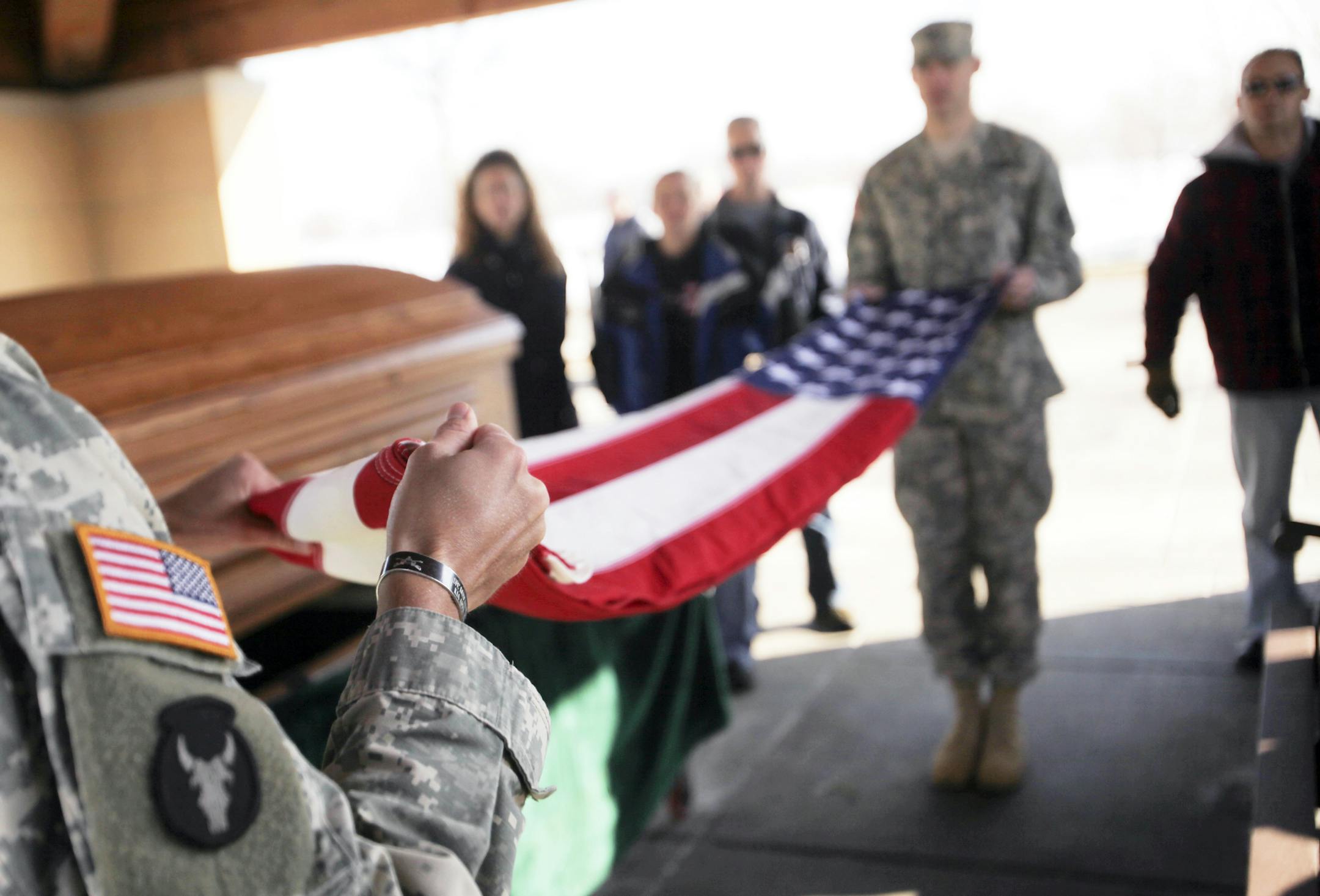
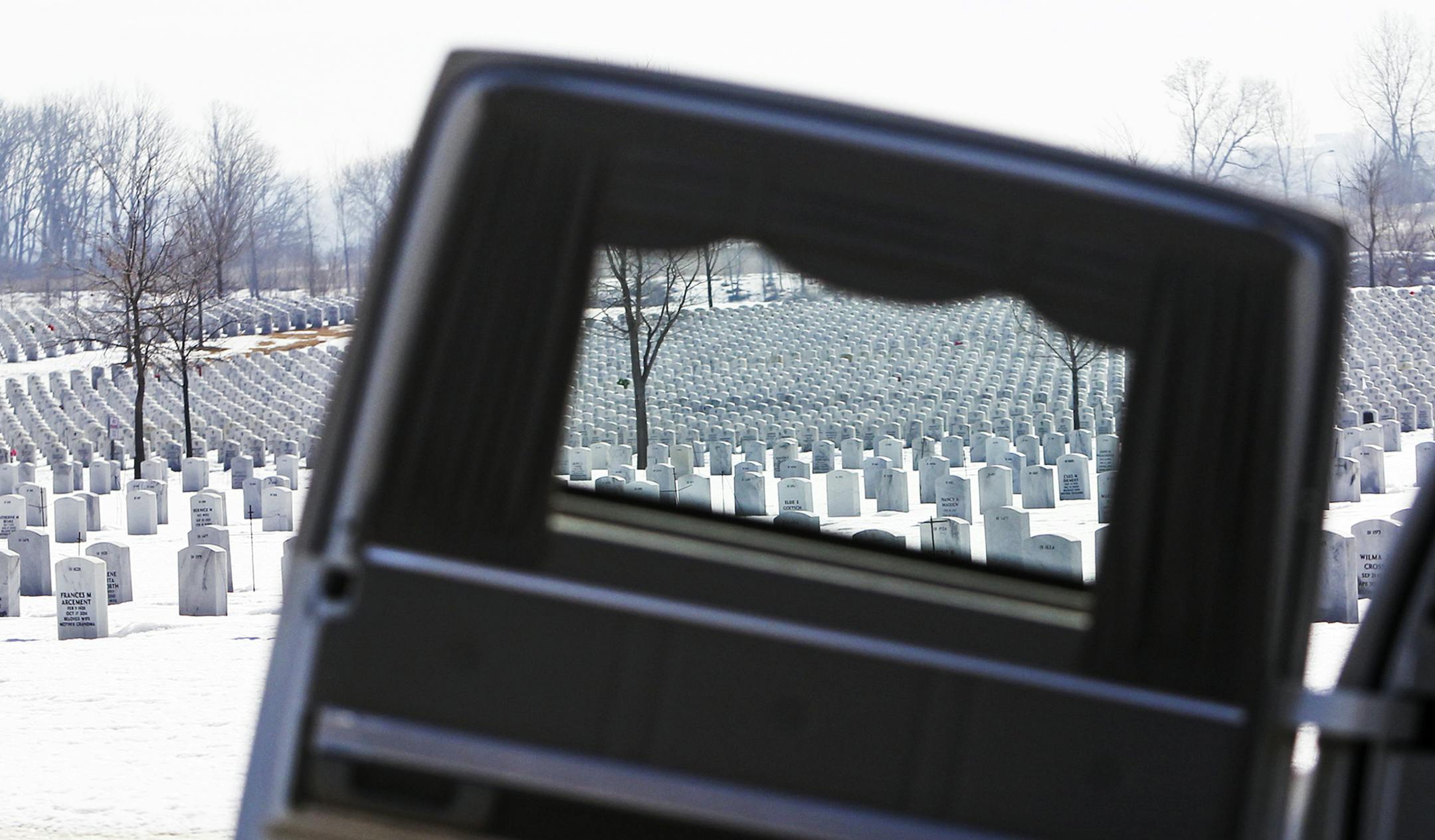
![Minneapolis Police officer and Honor Guard member Lisa Davis demonstrated how the department folds a flag for a police funeral. Members of the Minnesota National Guard Military Funeral Honor Guard Team trained with members of the Minneapolis Police Department Honor Guard Wednesday, March 27, 2013, at Fort Snelling Cemetery in Bloomington, MN.] (DAVID JOLES/STARTRIBUNE) djoles@startribune.com There's one thing that's a growth industry in the military: funerals. The Military Funeral Honor Guard Te](https://arc.stimg.co/startribunemedia/ZZDTLNQQGNUZA4NQDZAYQYIUO4.jpg?&w=1080)


