

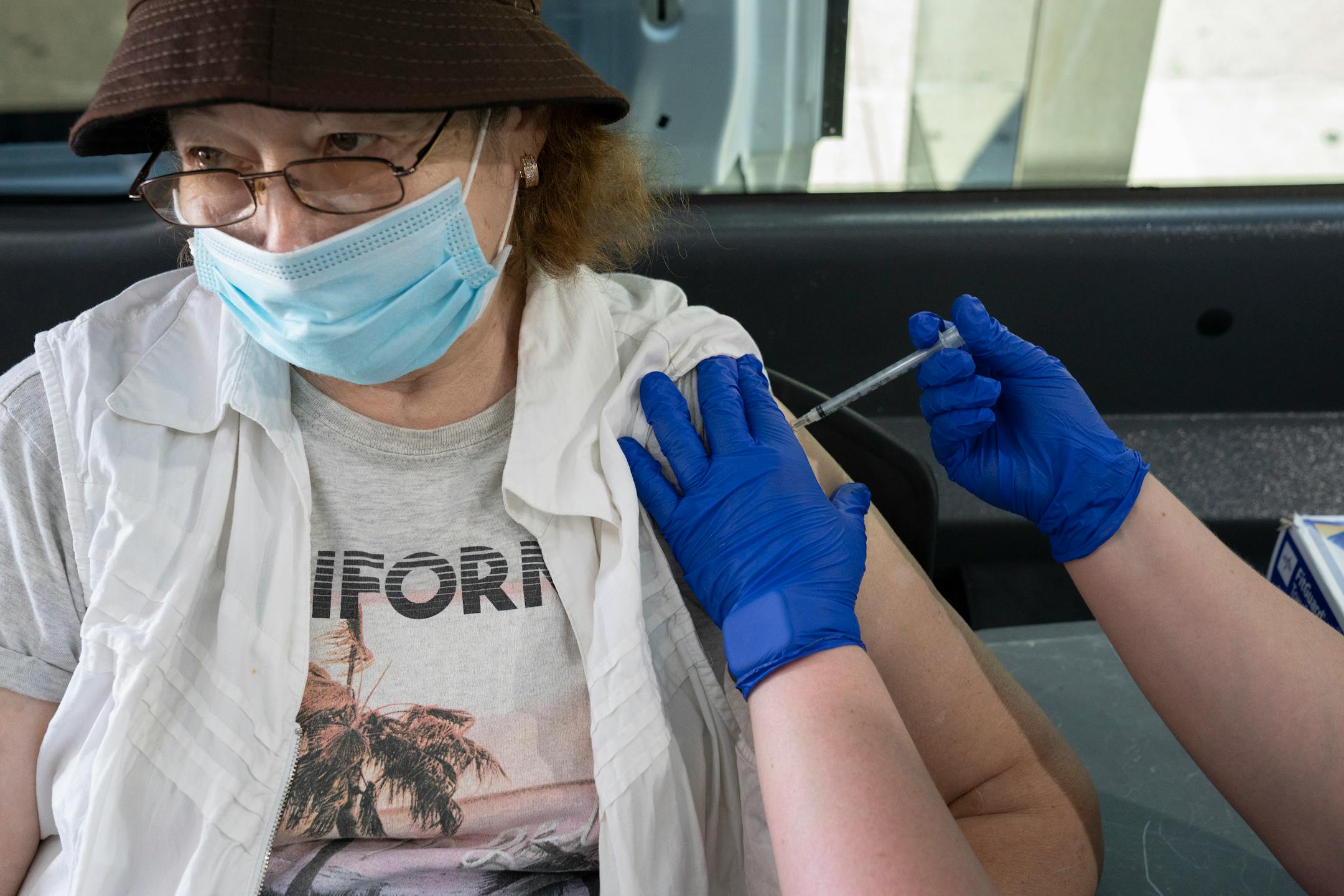
Millions of Americans have chosen not to get a coronavirus vaccine. But with the shots readily available and virus cases ticking back up in parts of the country, a growing number of employers, universities and businesses are now issuing some form of a vaccine requirement.
Under many of these orders, those who remain unvaccinated, including people who can't get a vaccine because of a disability or conflicting religious beliefs, will instead have to follow strict guidelines like regular COVID testing, masking and social distancing.
"I think probably what these companies are thinking — for those individuals — requiring them to be masked, or constantly tested, is a reasonable accommodation," Joel Friedman, a law professor at Tulane University, said. "And that's probably correct."
Another component of the shifting landscape on vaccines is their expected full approval by the Food and Drug Administration. The vaccines are currently administered under an emergency use authorization, so full approval could alleviate concerns over their safety — and encourage even more organizations to make them a requirement.
Here's a look at who could ask you to get the vaccine:
Can your employer require you to get the vaccine?
The short answer is yes, though a vast majority have not.
Any company is within its legal rights to require employees get vaccinated, barring any conflicting disability or religious belief, according to the U.S. Equal Employment Opportunity Commission.


